Introduction
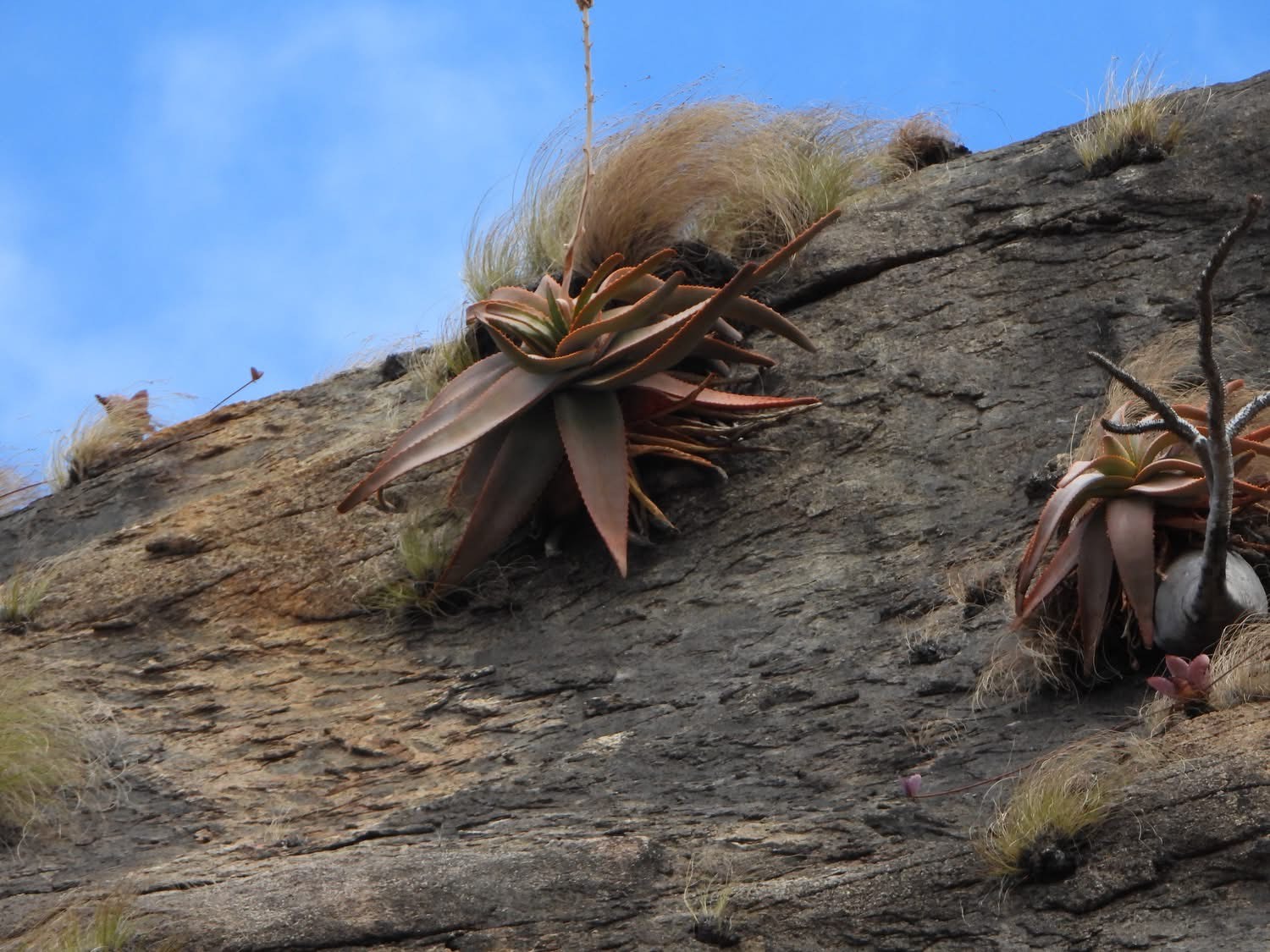
In the central highlands of Madagascar, Aloe ericetorum presents a compact, solitary rosette tailored to wind-exposed heath and moor, its name alluding to the ericaceous shrublands that define its home. In open, nutrient-poor sands, the species keeps its leaves short, gray-green, and slightly glaucous, a configuration that limits water loss and sheds intense sun. In cultivation, the plant’s tidy architecture—shallow rosette, neat margins, and bright, yellow inflorescences—makes a restrained counterpoint to larger Malagasy aloes. For growers, the key is to echo the plant’s original setting: bright light, rapid drainage, and measured watering, especially in the cool season when growth slows.
The Details
In habitat, plants occupy airy, well-drained slopes where rainfall is episodic, and soils are thin, sandy, and low in organic matter. Under those conditions, a shallow, tightly stacked rosette reduces exposure, while a waxy bloom diffuses light and limits transpiration. At the crown, leaves are triangular in outline and slightly channeled, with small, evenly spaced teeth that read as pale yellow points against a gray-green field.
In late cool to early warm seasons, inflorescences rise cleanly above the leaves, and, at the tips, the racemes pack into tidy, capitate heads. The flowers are a saturated yellow, often carried on subtly reddish pedicels, a color pairing that shows well against the plant’s muted foliage. When viewed from a distance, the rosette-plus-“pom-pom” effect is distinctive, and, in mixed collections, quickly separates A. ericetorum from broad-leaved Malagasy congeners.
In comparison with the Aloe capitata complex, A. ericetorum keeps its proportions smaller and its leaves grayer, a difference that holds even when both are grown hard in bright exposures. The habit remains solitary and stemless, and offsets are uncommon, so plants keep a disciplined silhouette rather than forming mounded clumps.
In cultivation, success hinges on drainage, and, in containers, a gritty, mineral-rich mix with generous coarse aggregate prevents root suffocation after summer irrigation. In bright light, leaves stay compact and glaucous, and flowering is more dependable; in low light, rosettes loosen, and color dulls. During winter, water sparingly, and, after cold or overcast spells, allow the medium to dry before the next cycle.
From seed, growth is steady but deliberate, and, because the species is typically solitary, seed propagation is the most practical and responsible path for building numbers. With patience, careful watering, and abundant light, Aloe ericetorum rewards growers with an understated, disciplined elegance.
All photos by Amante Darmanin.
Additional Reading: Conservation Status of Aloes in Madagascar


