

“`html
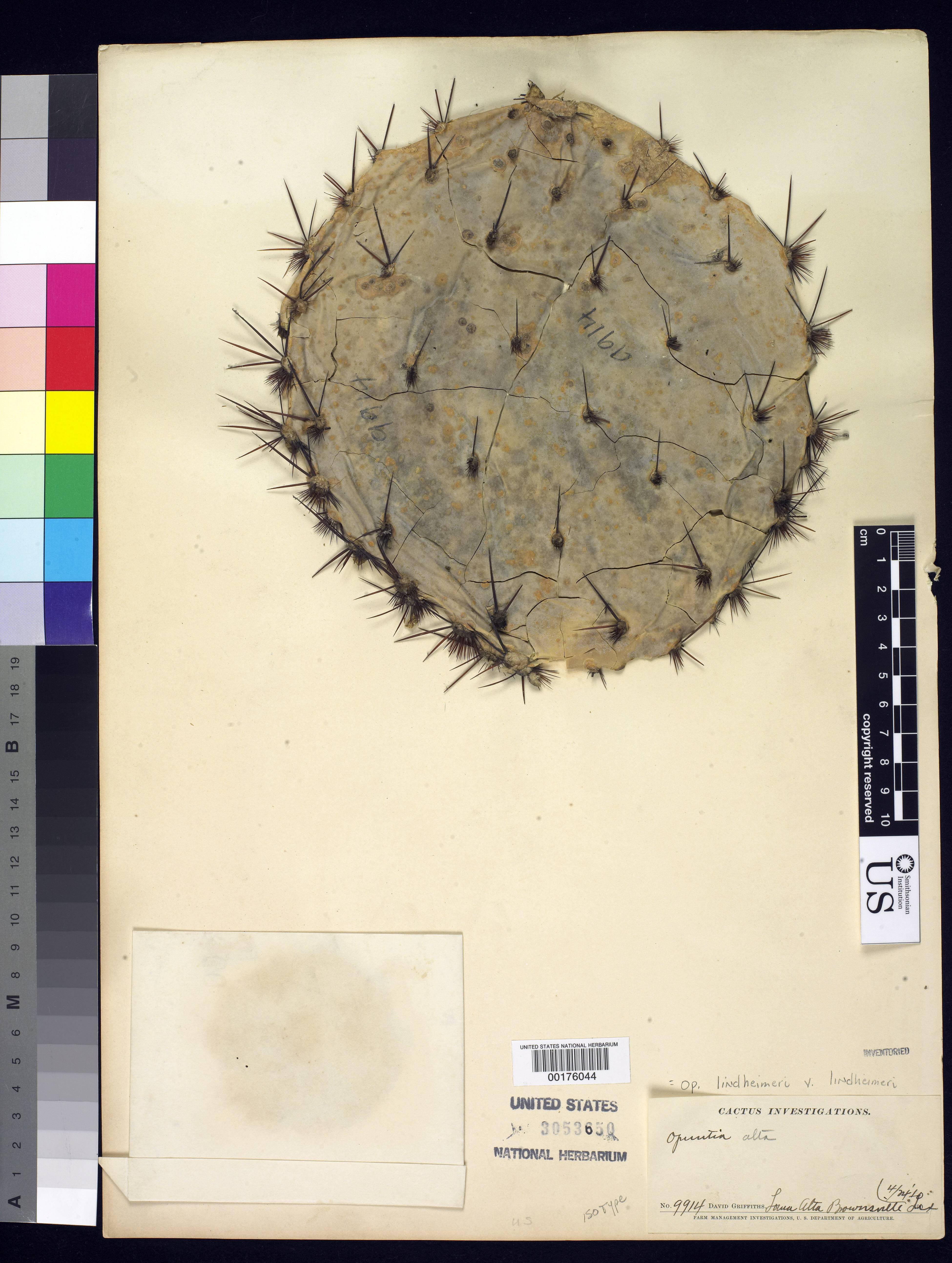
Holotype; Holotype; Isotype; Herbarium; Painting (Annals of the Missouri Botanical Garden 21: 165, 1910, Plate 19)
Griffiths, Annual Report of the Missouri Botanical Garden 21: 165, 1910
Original citation
What is Opuntia alta?
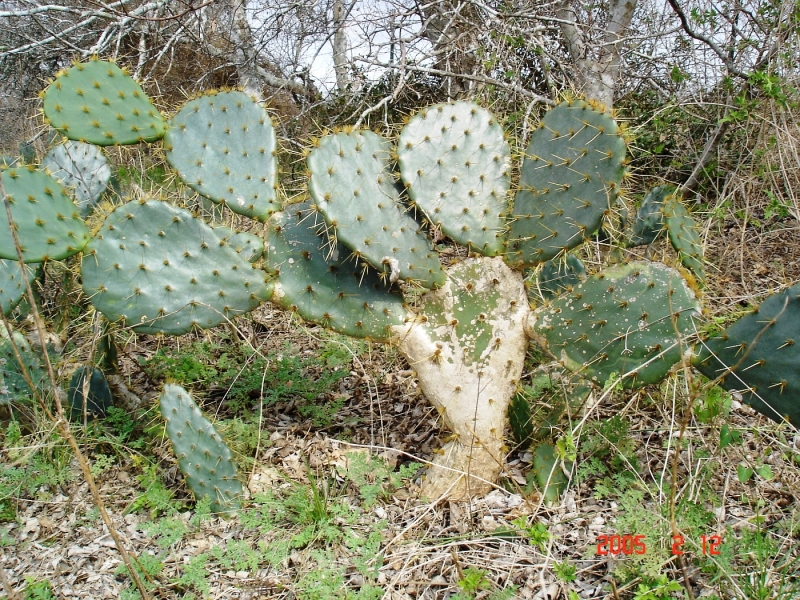
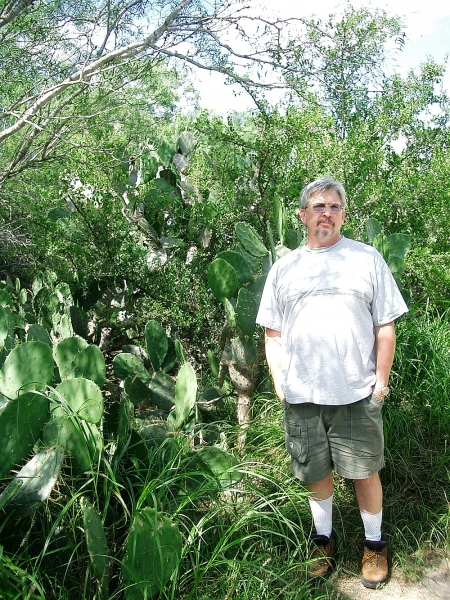
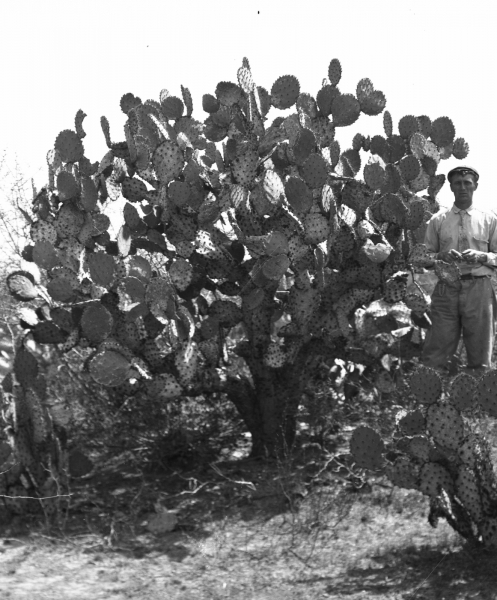
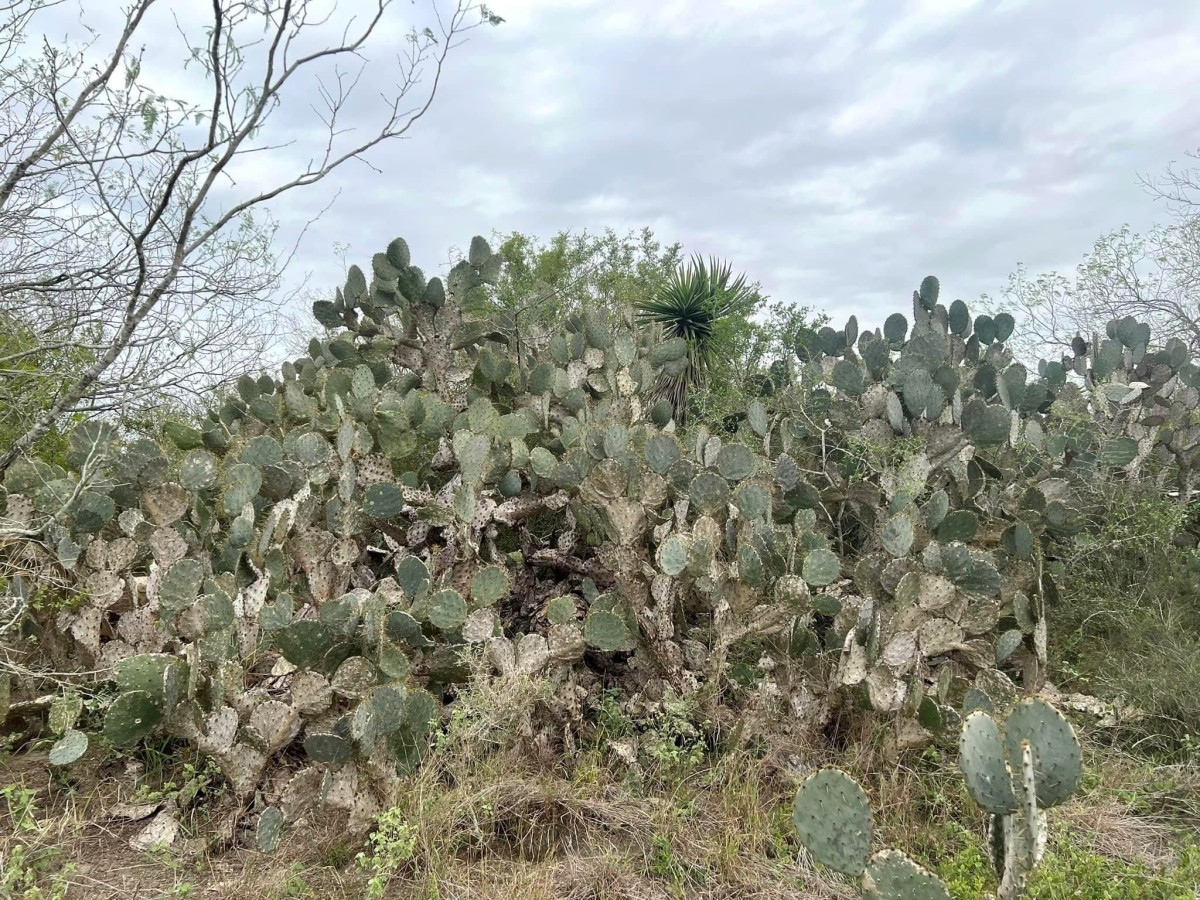
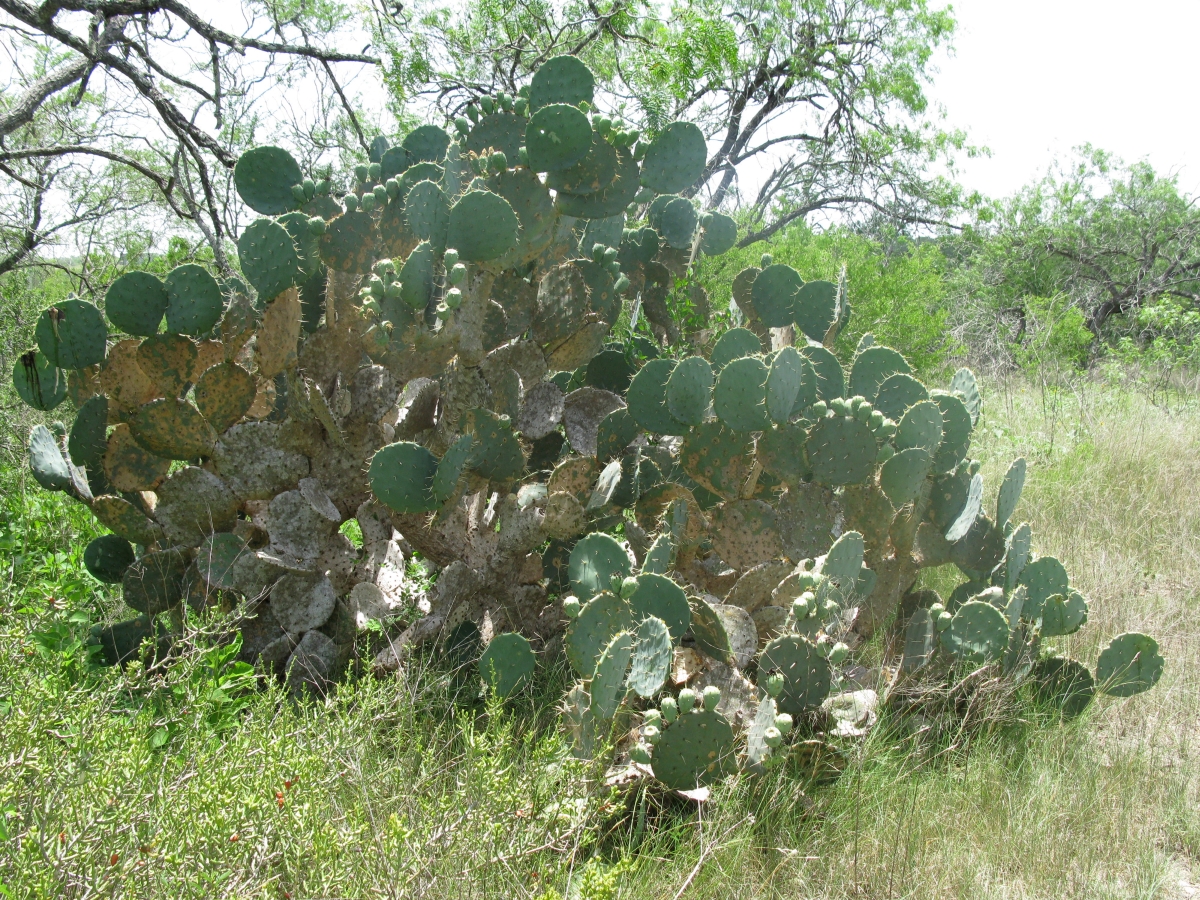
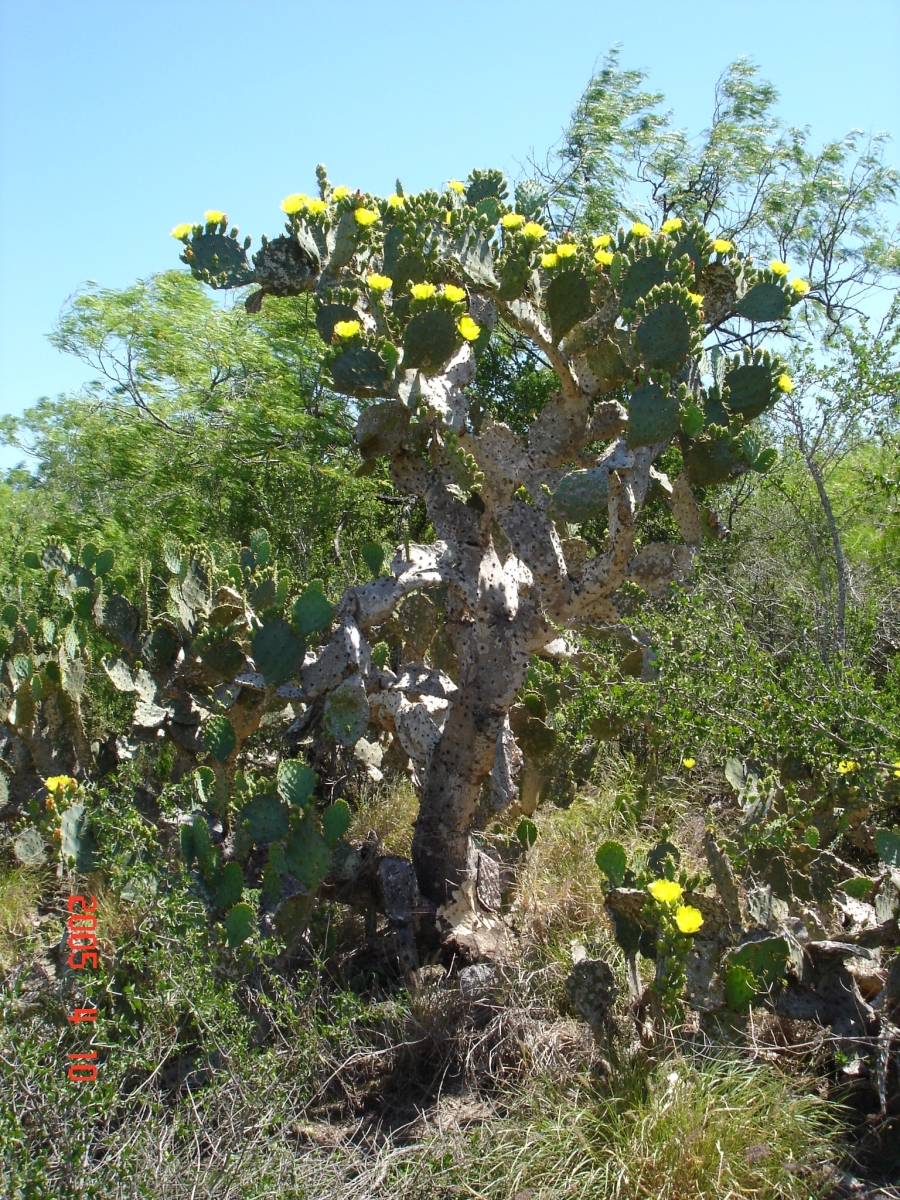
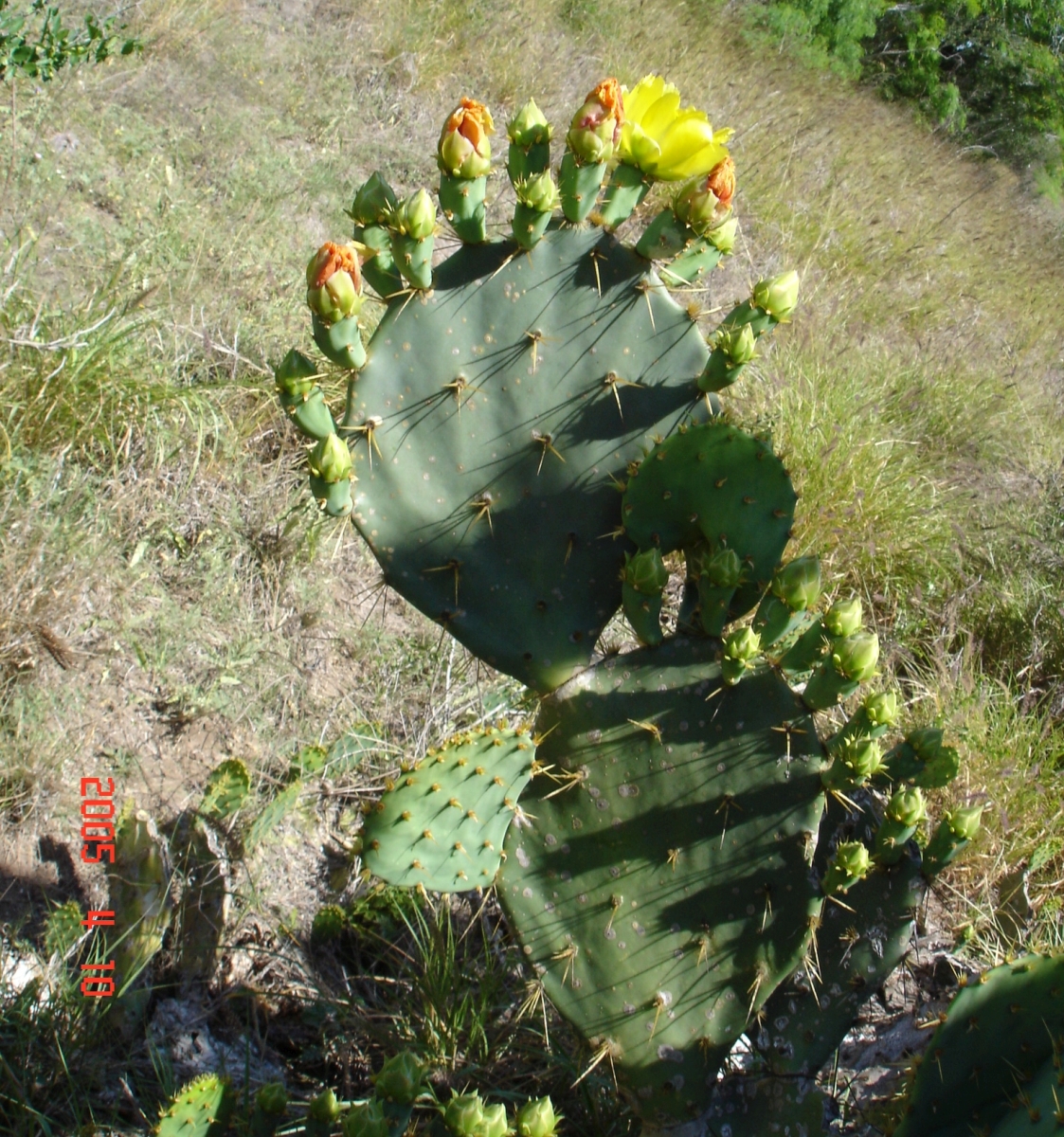
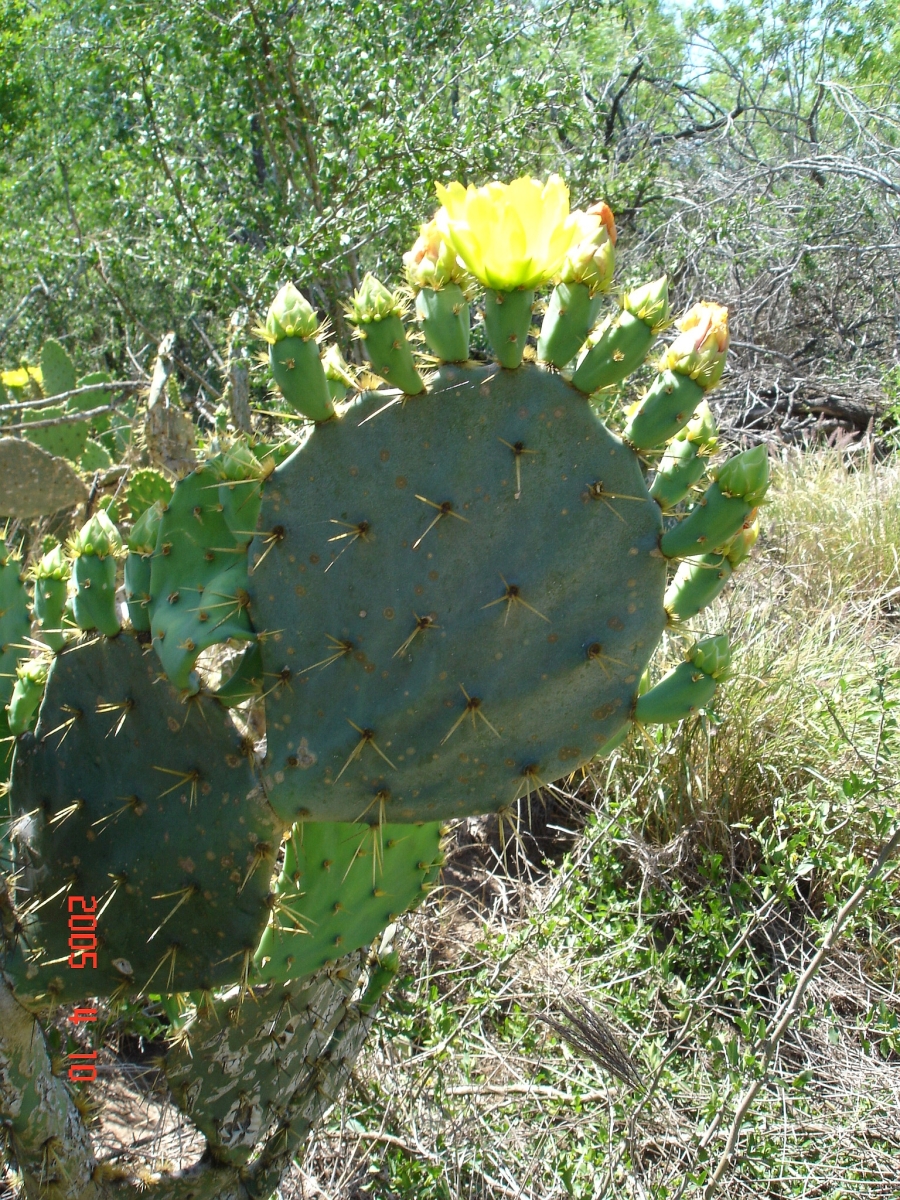
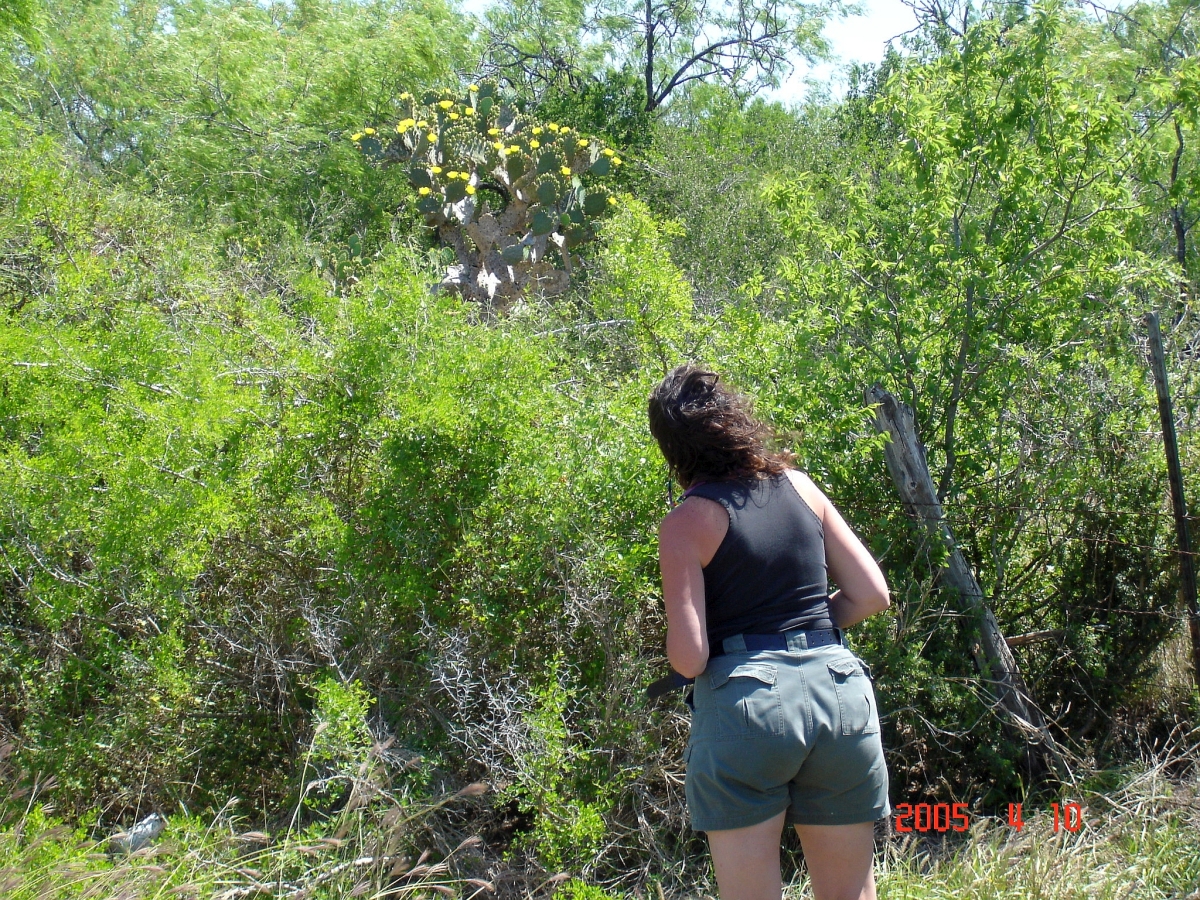
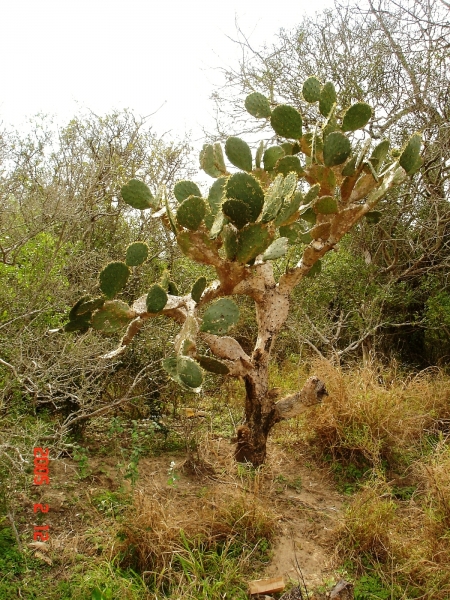
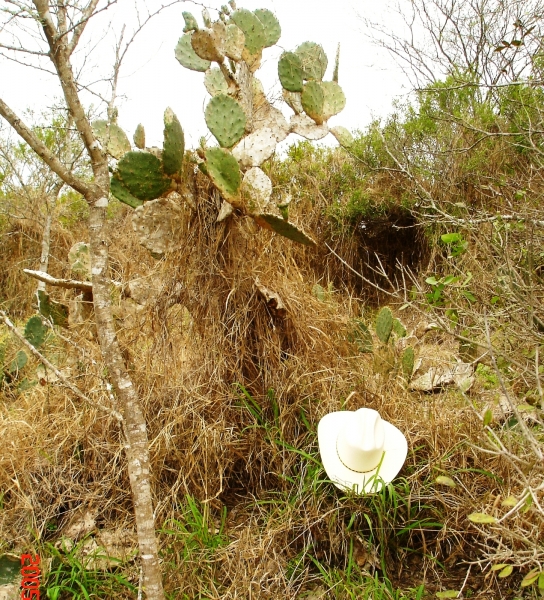
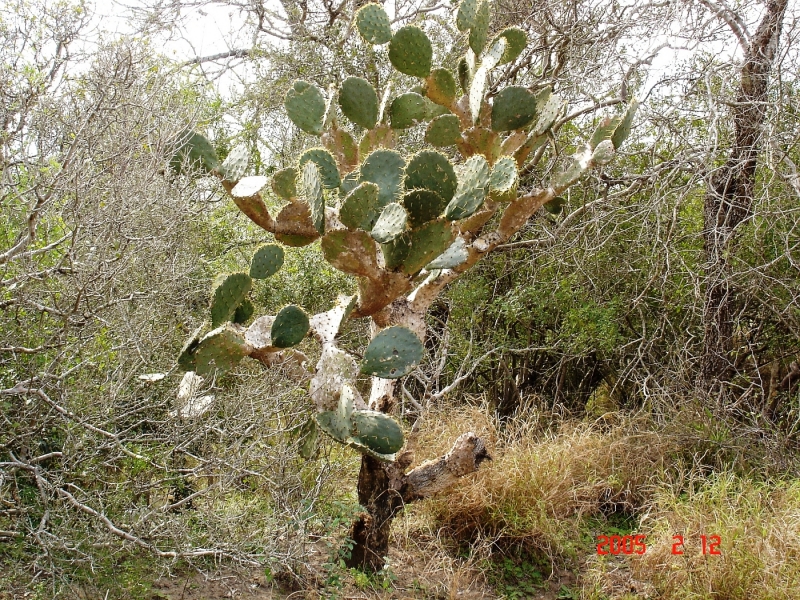
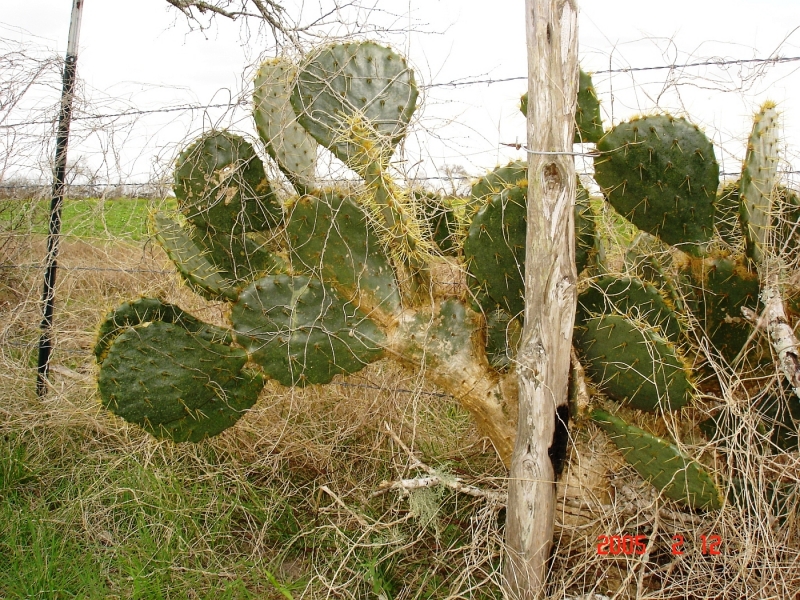
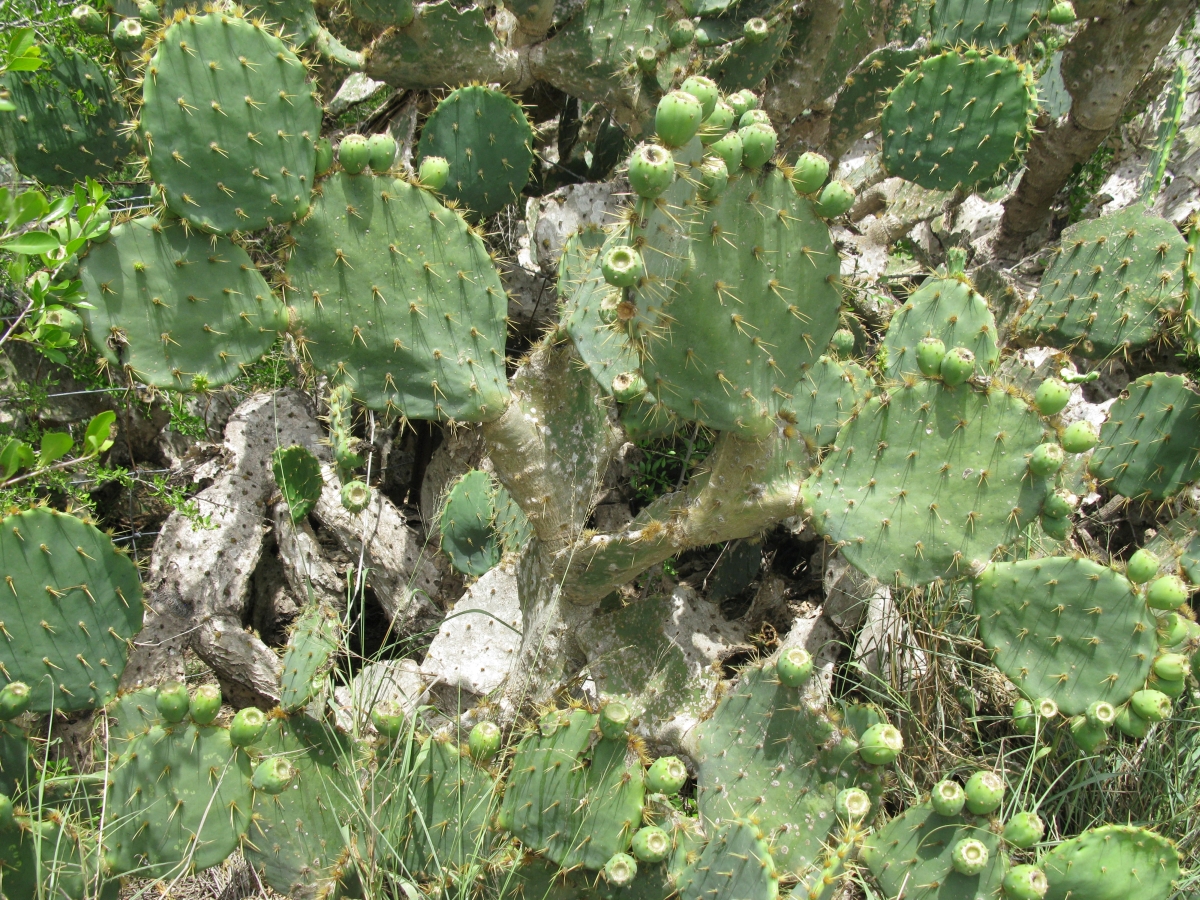
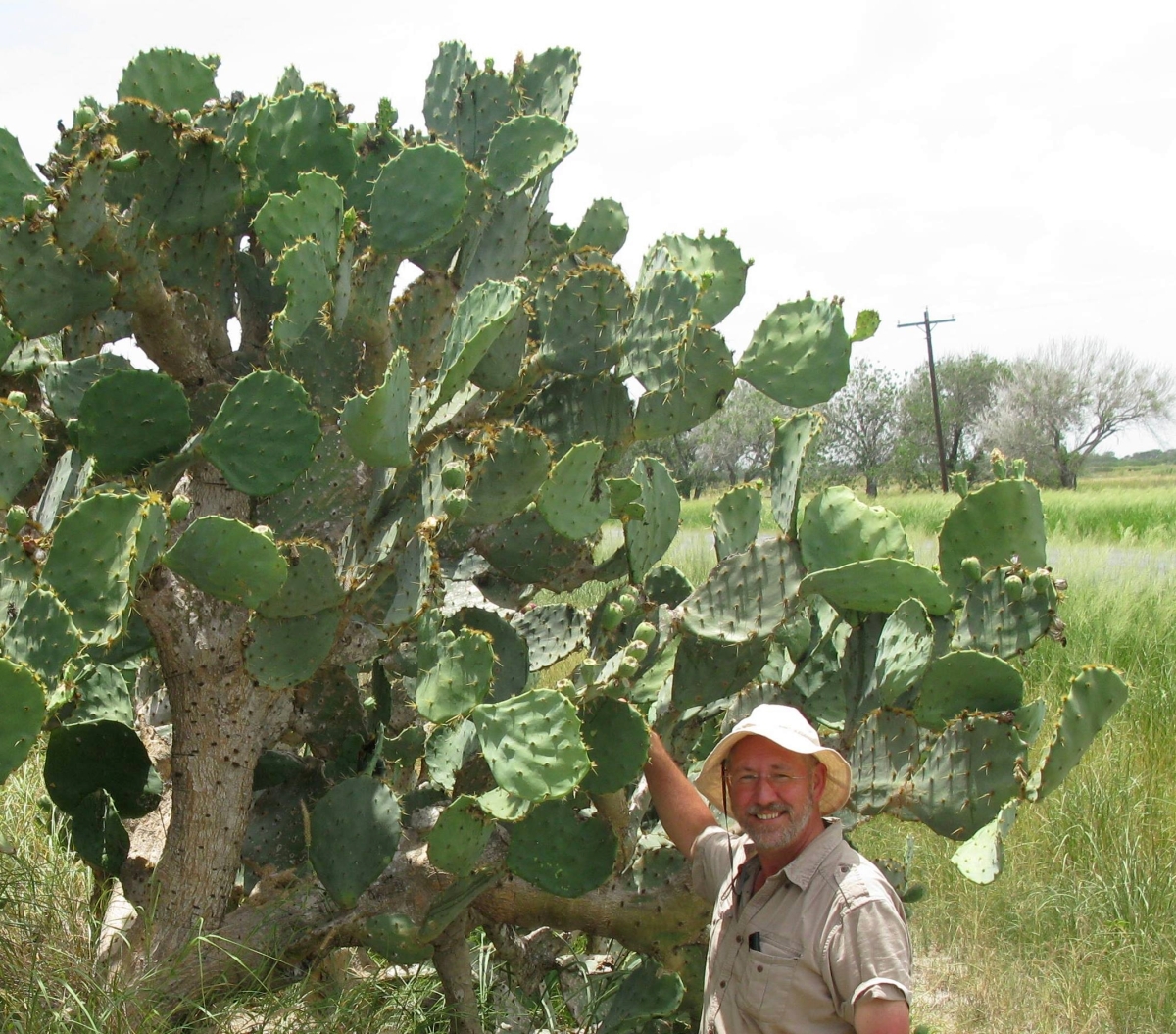
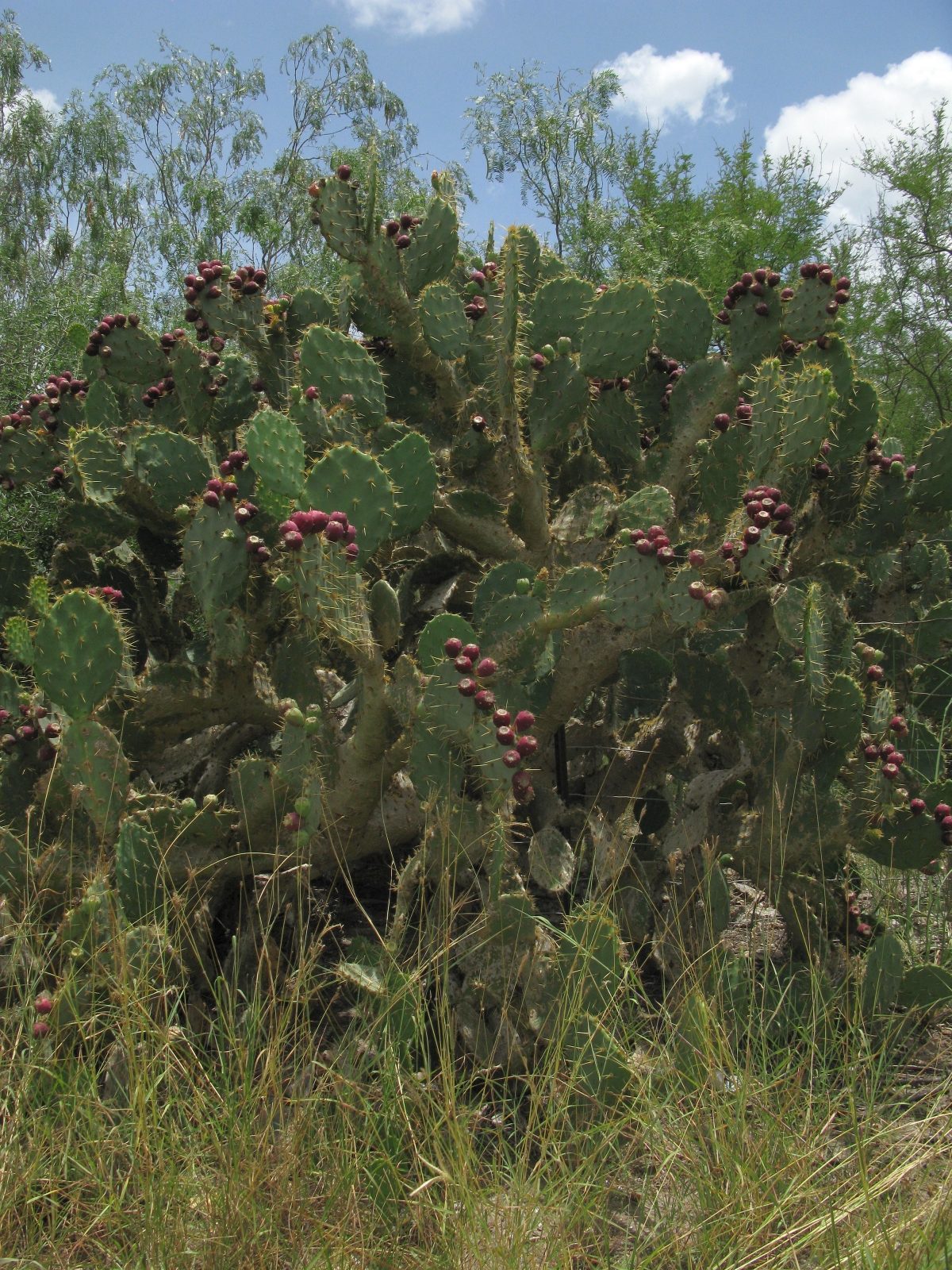
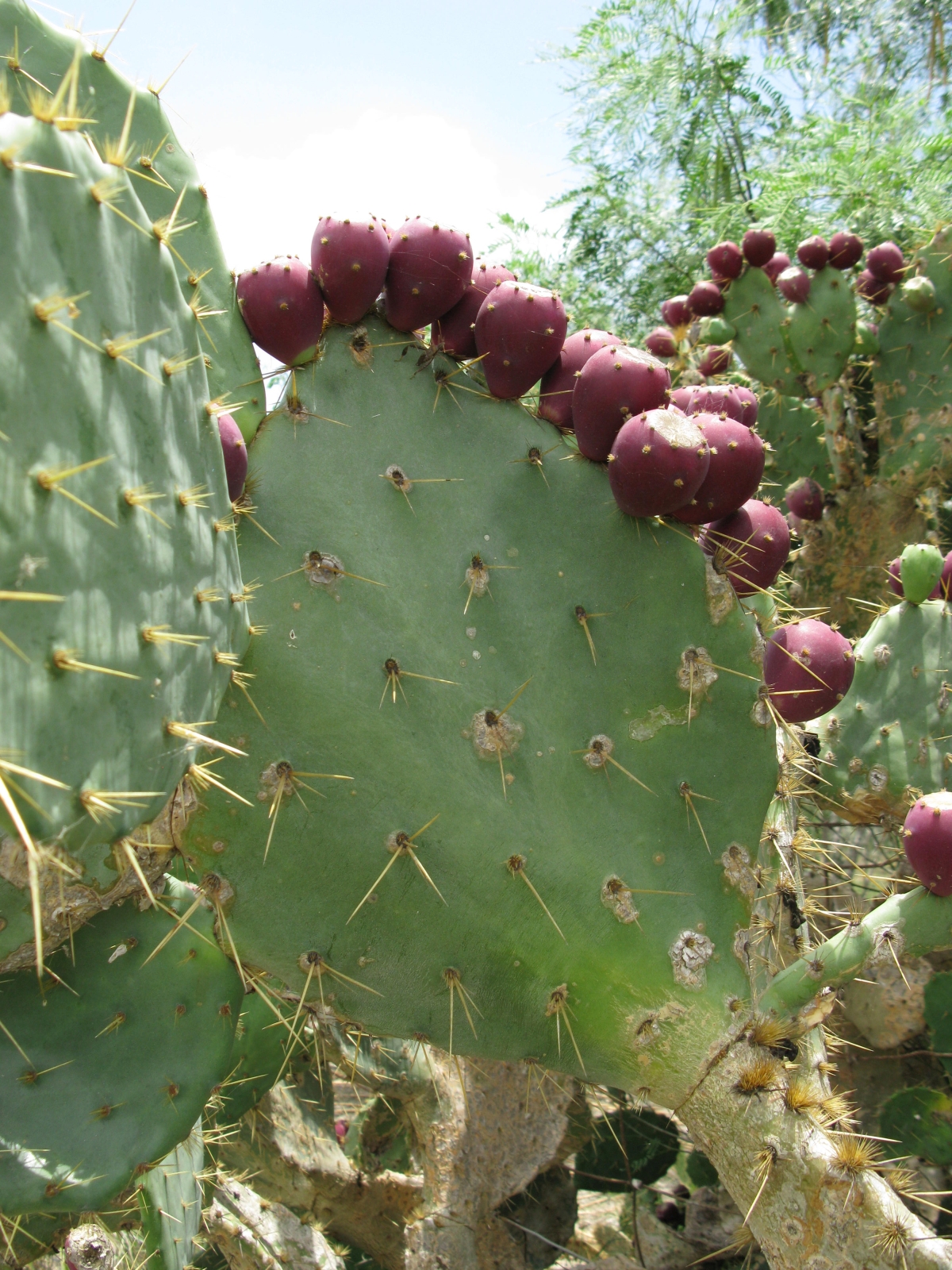
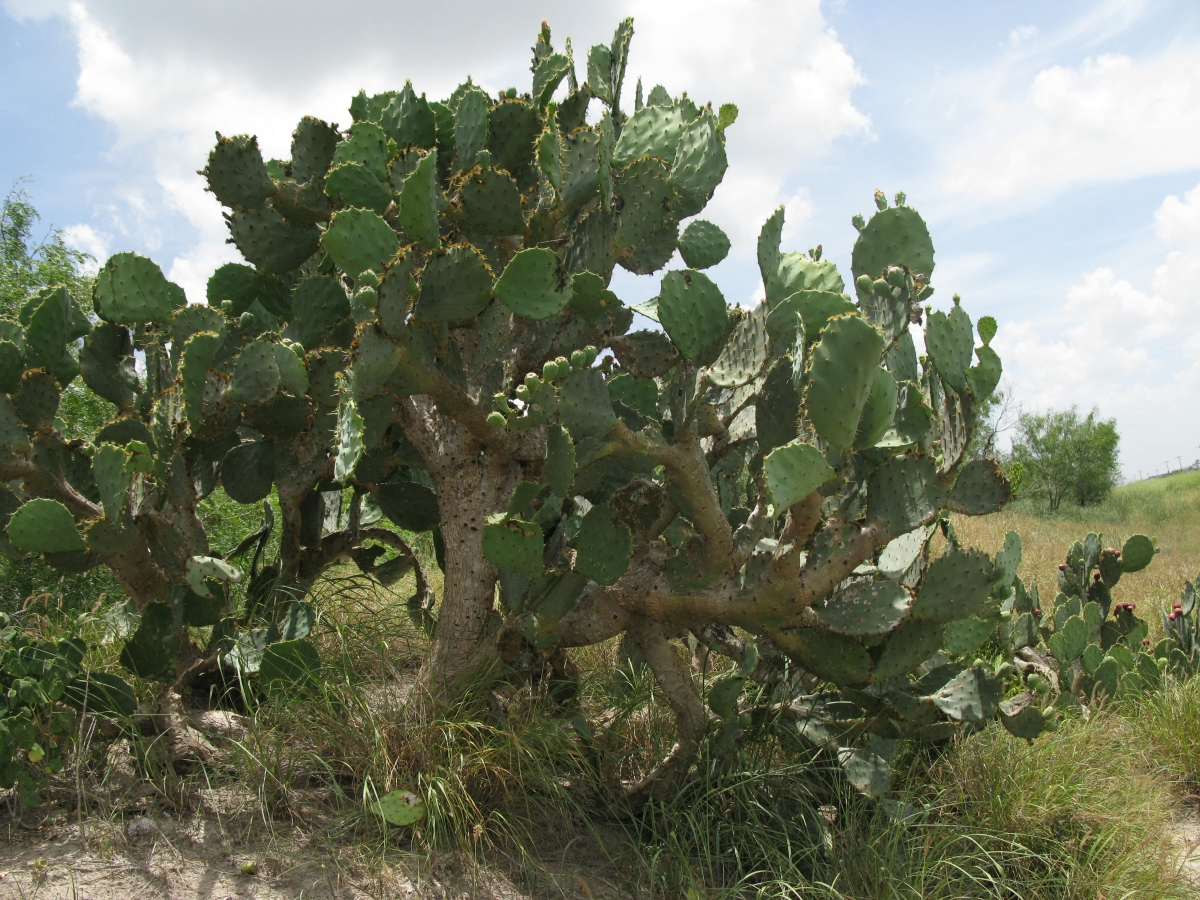
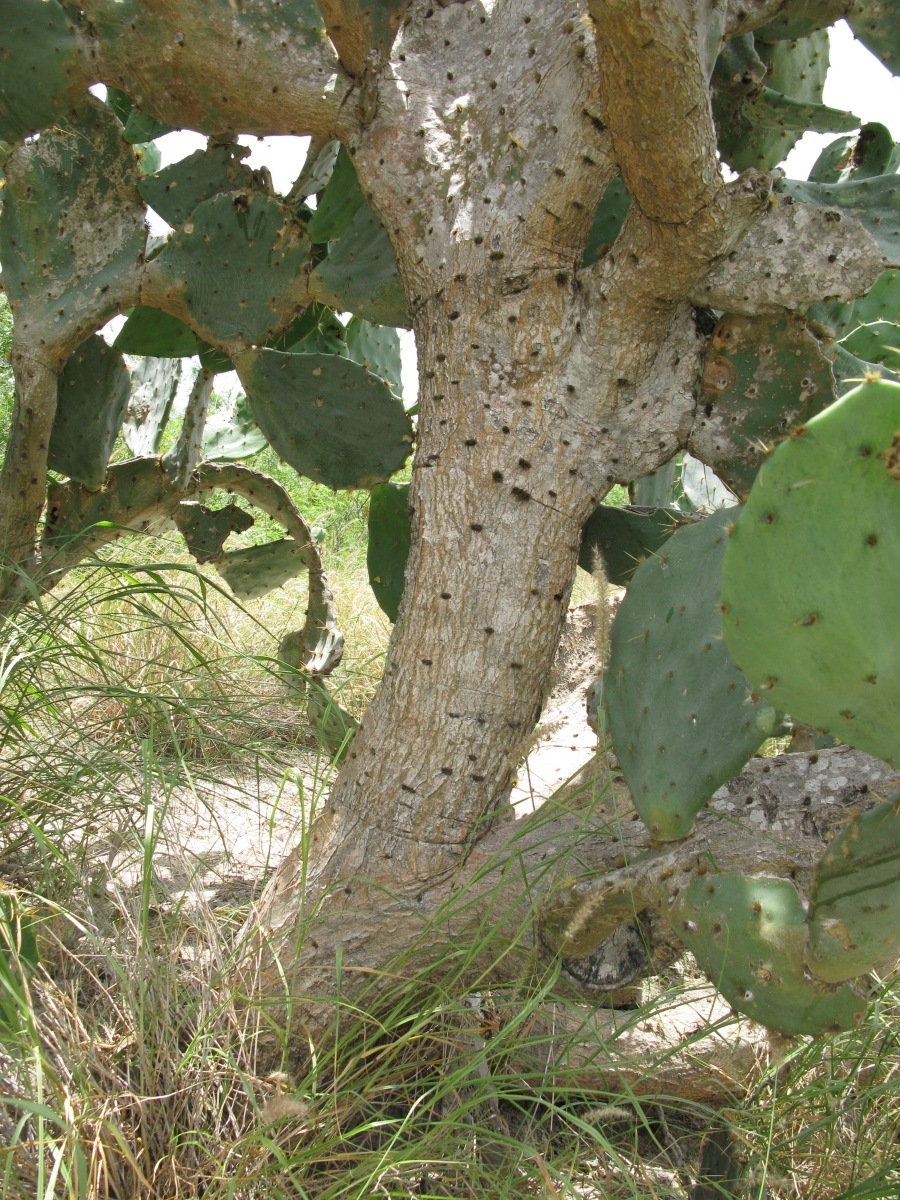
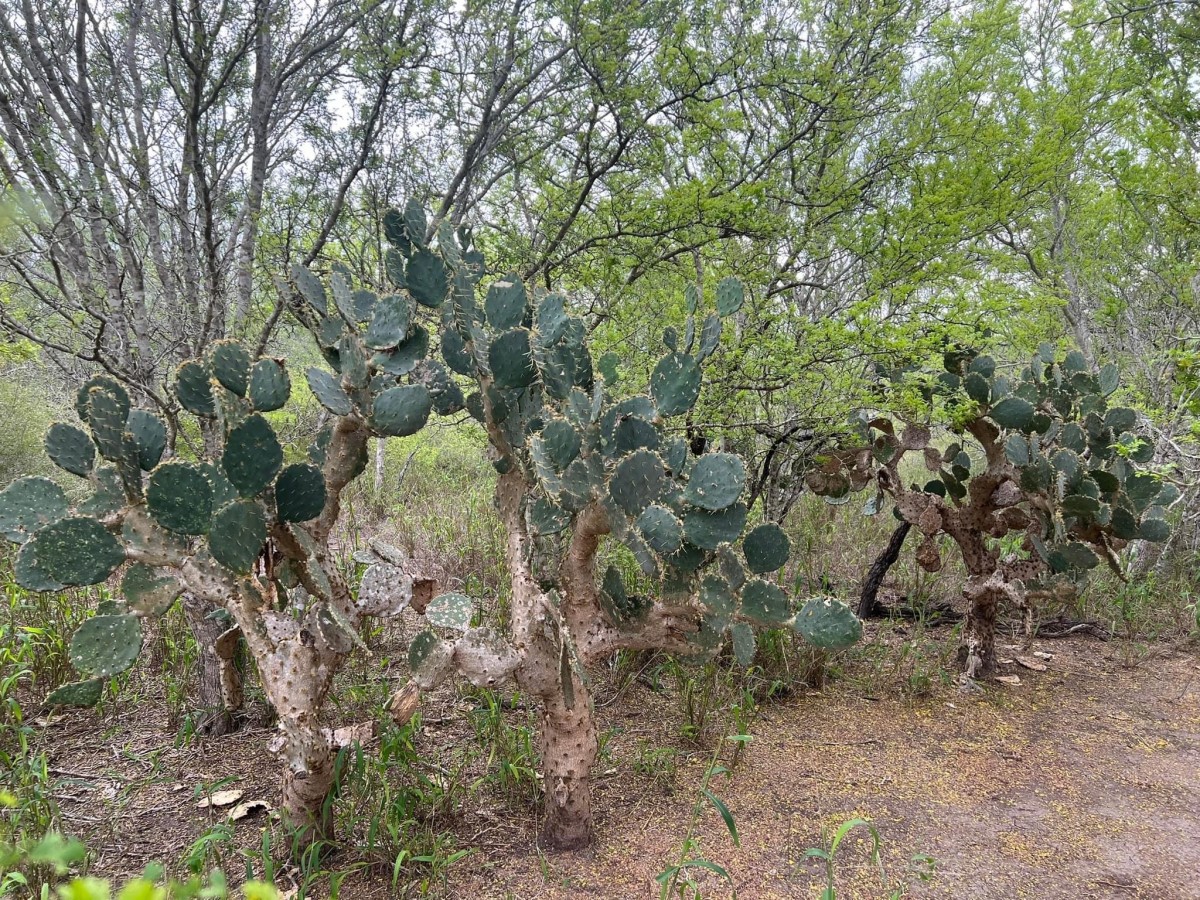
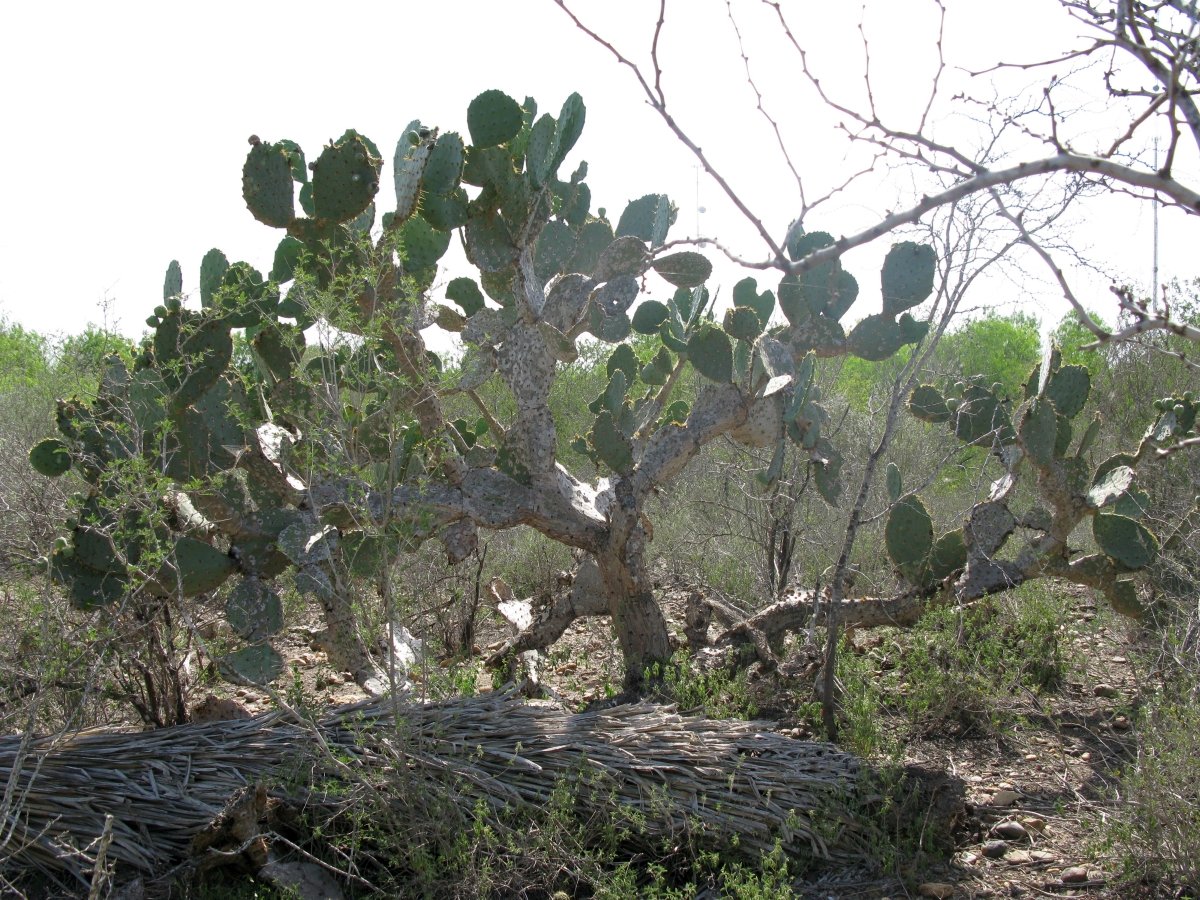
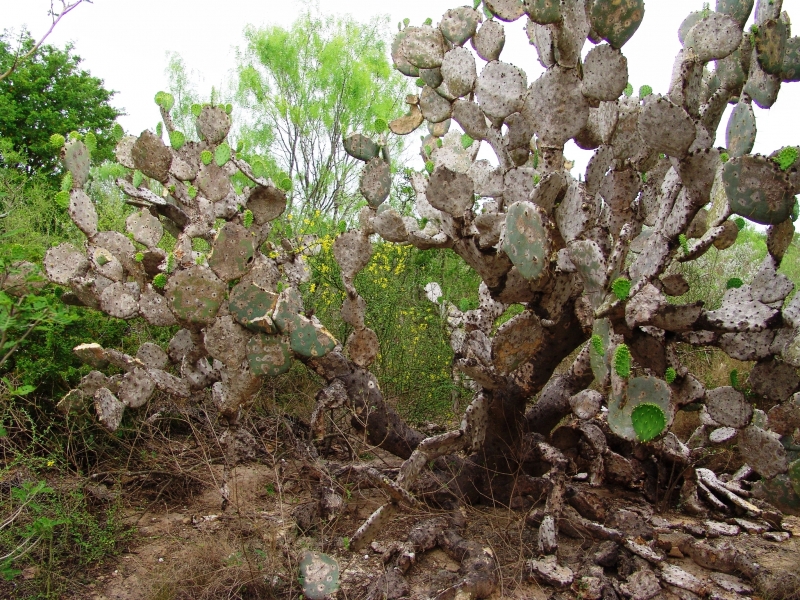
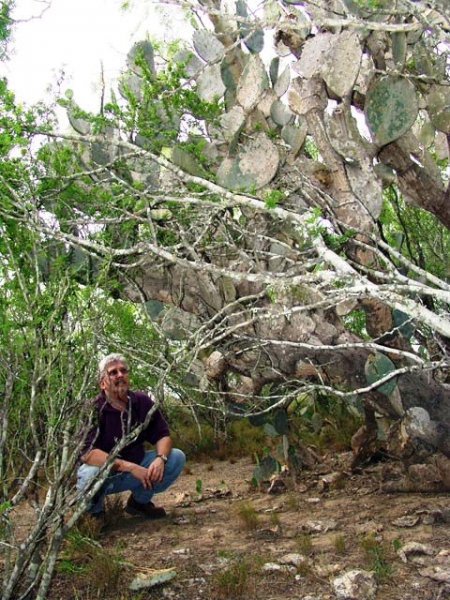
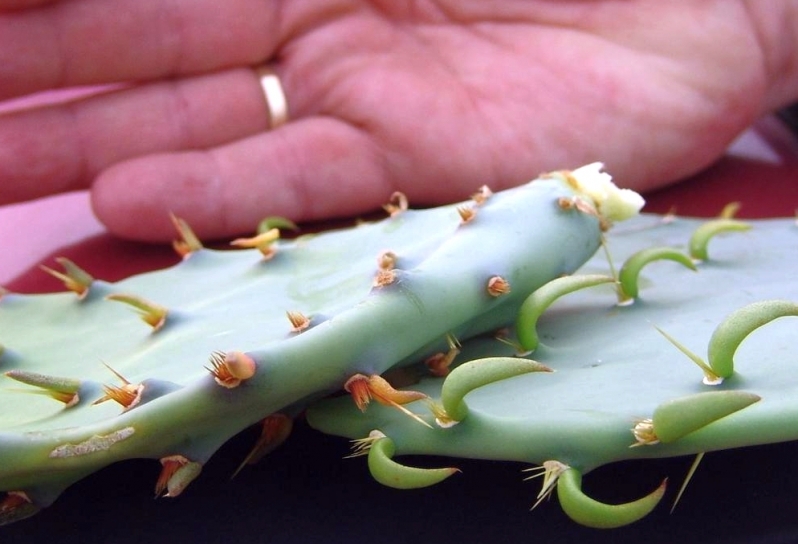
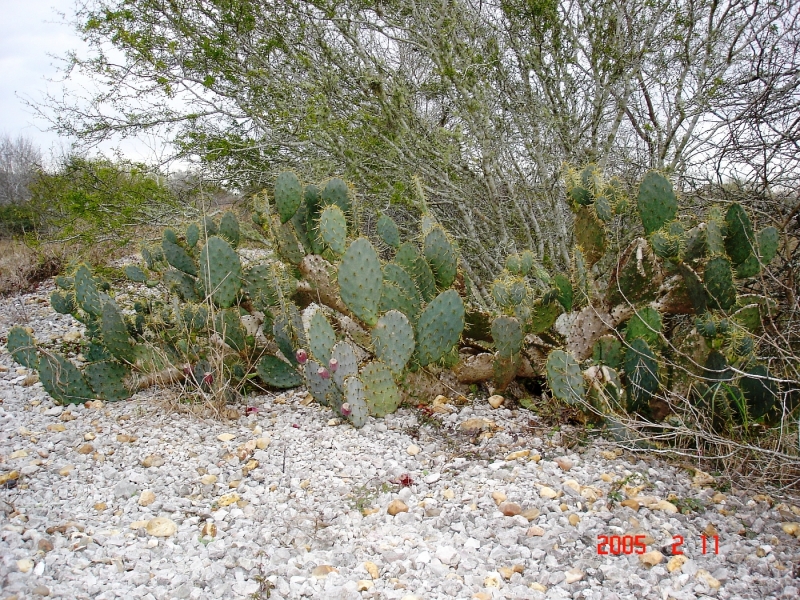
Opuntia alta is a large, arborescent prickly pear that forms a definite trunk with an elevated canopy of cladodes. In dry, brush-country and chaparral, mature plants can tower above the surrounding shrubs, with old branches arching or bending outward. Pads are typically round to broadly ovate, fruits are short-ovoid, and areoles often show dense glochid tufts with relatively few spines. O. cacanapa is another arborescent Opuntia.
Details
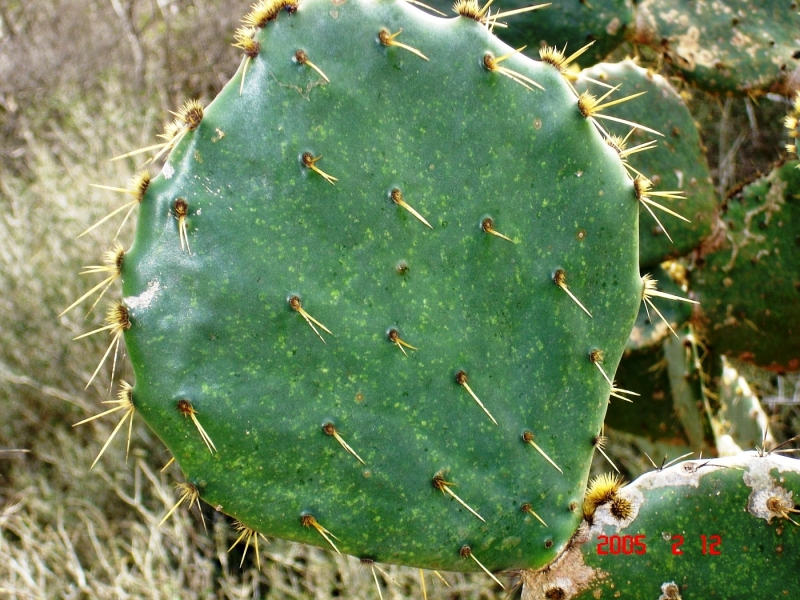
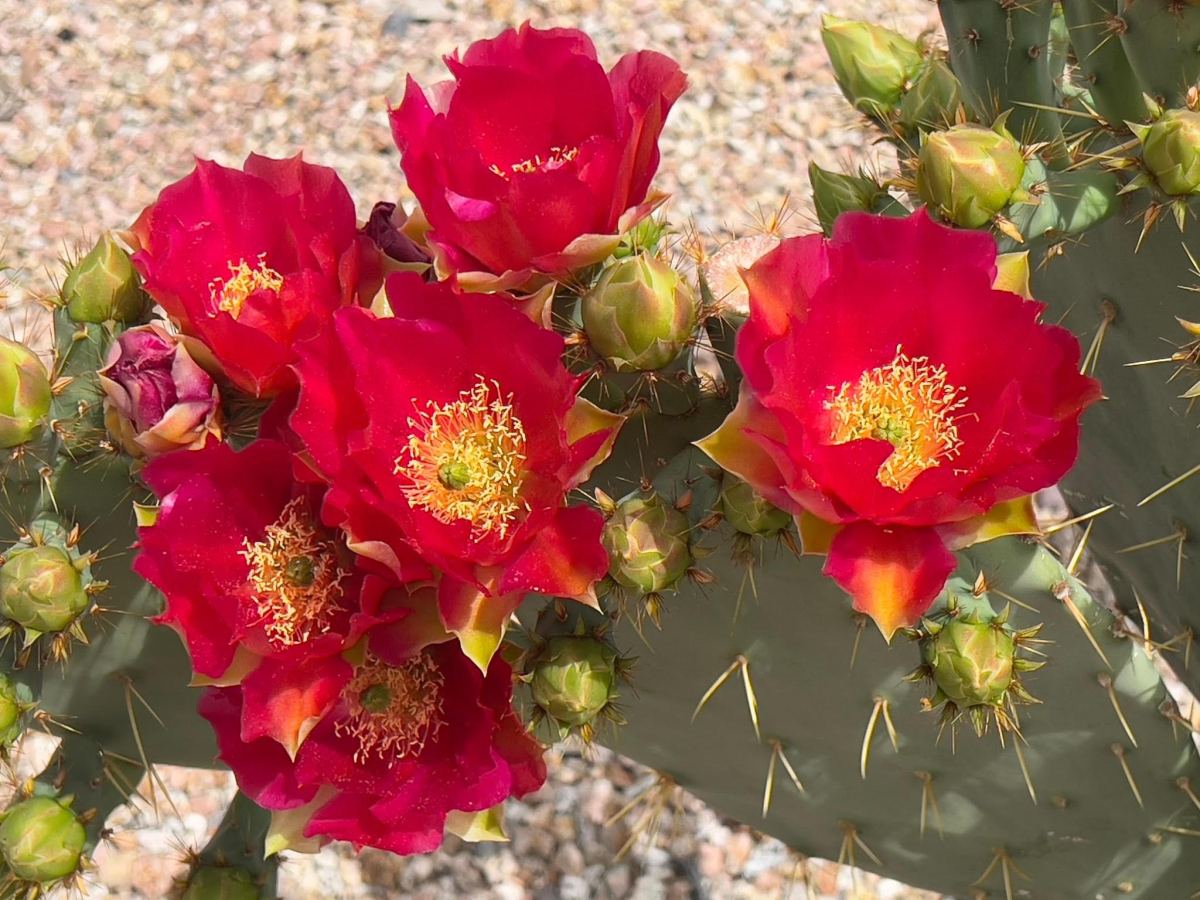
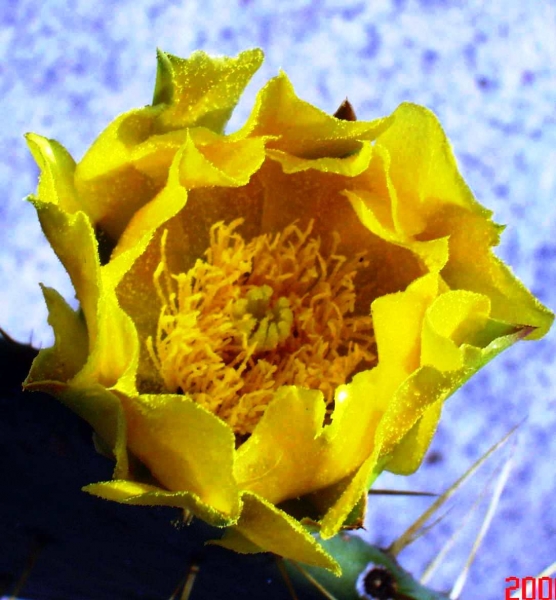
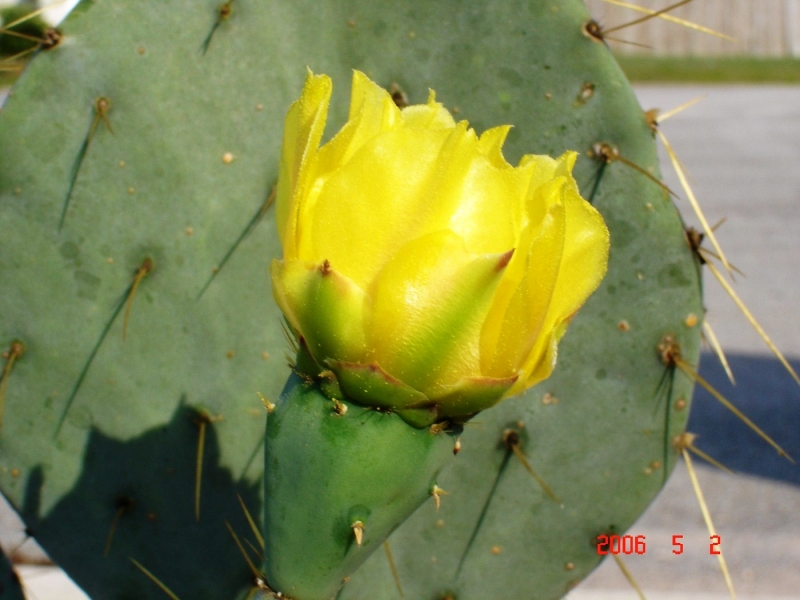
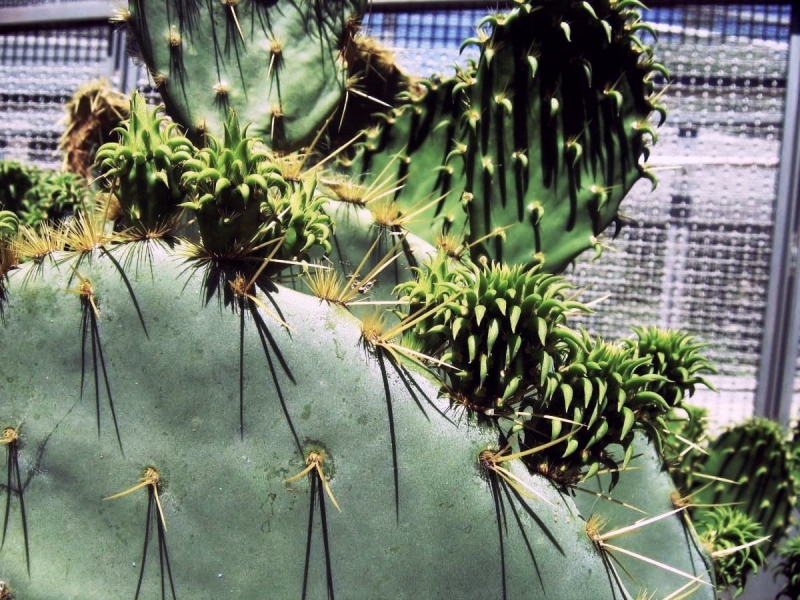
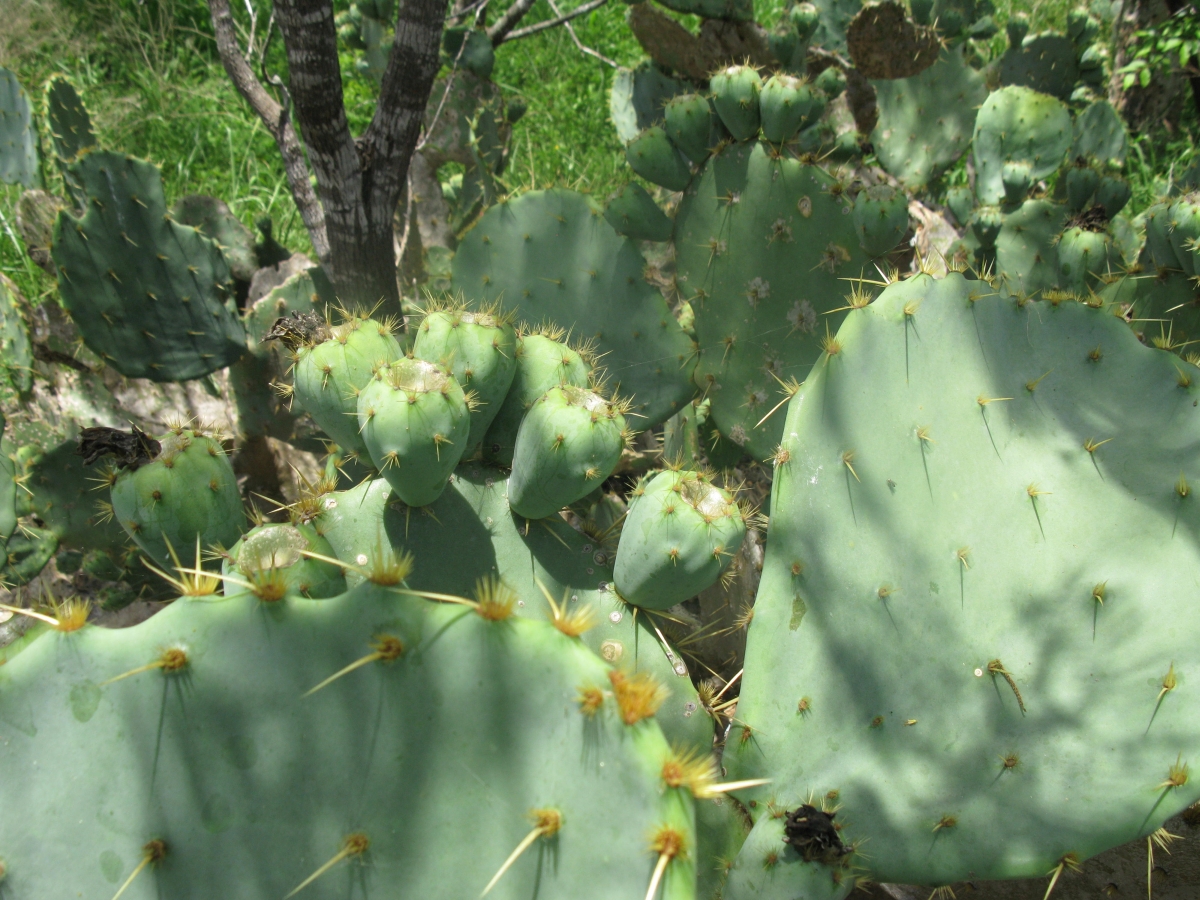
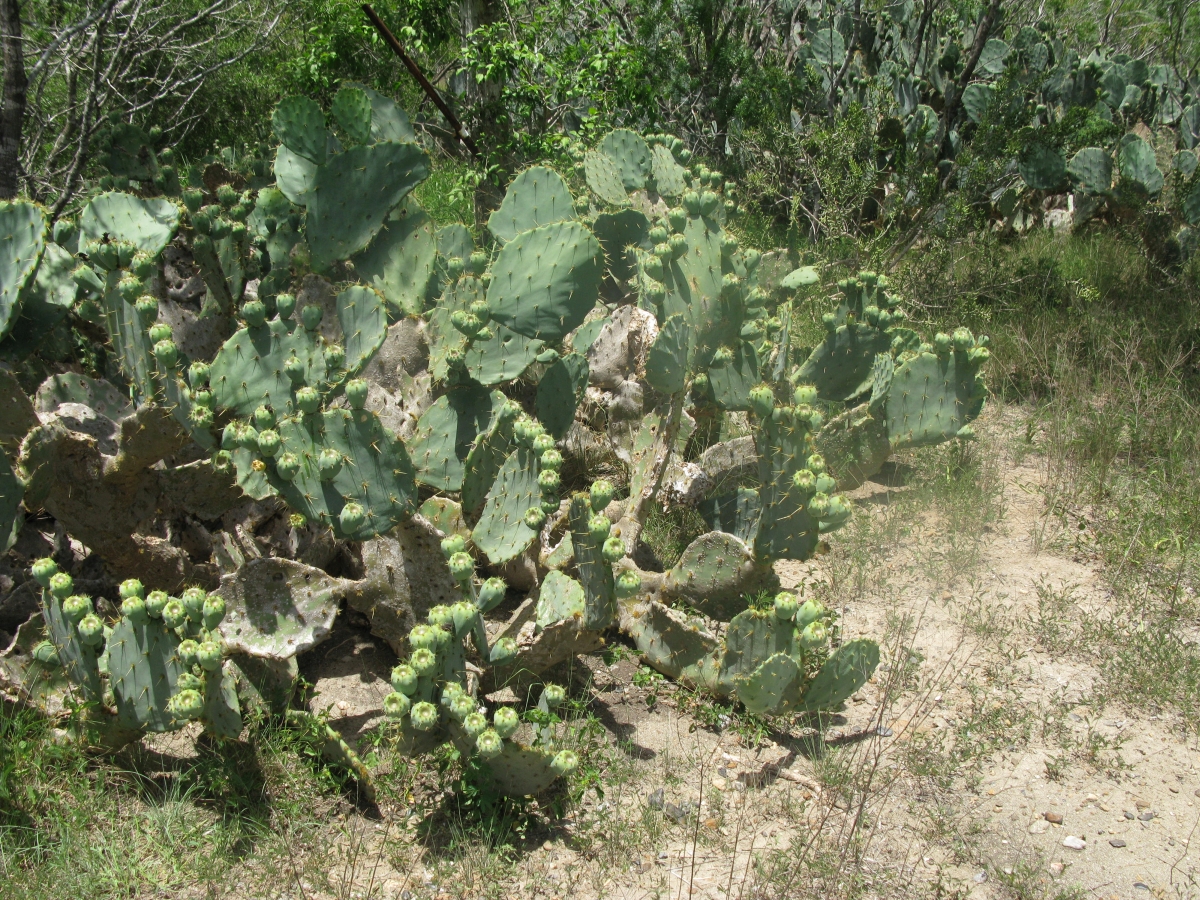
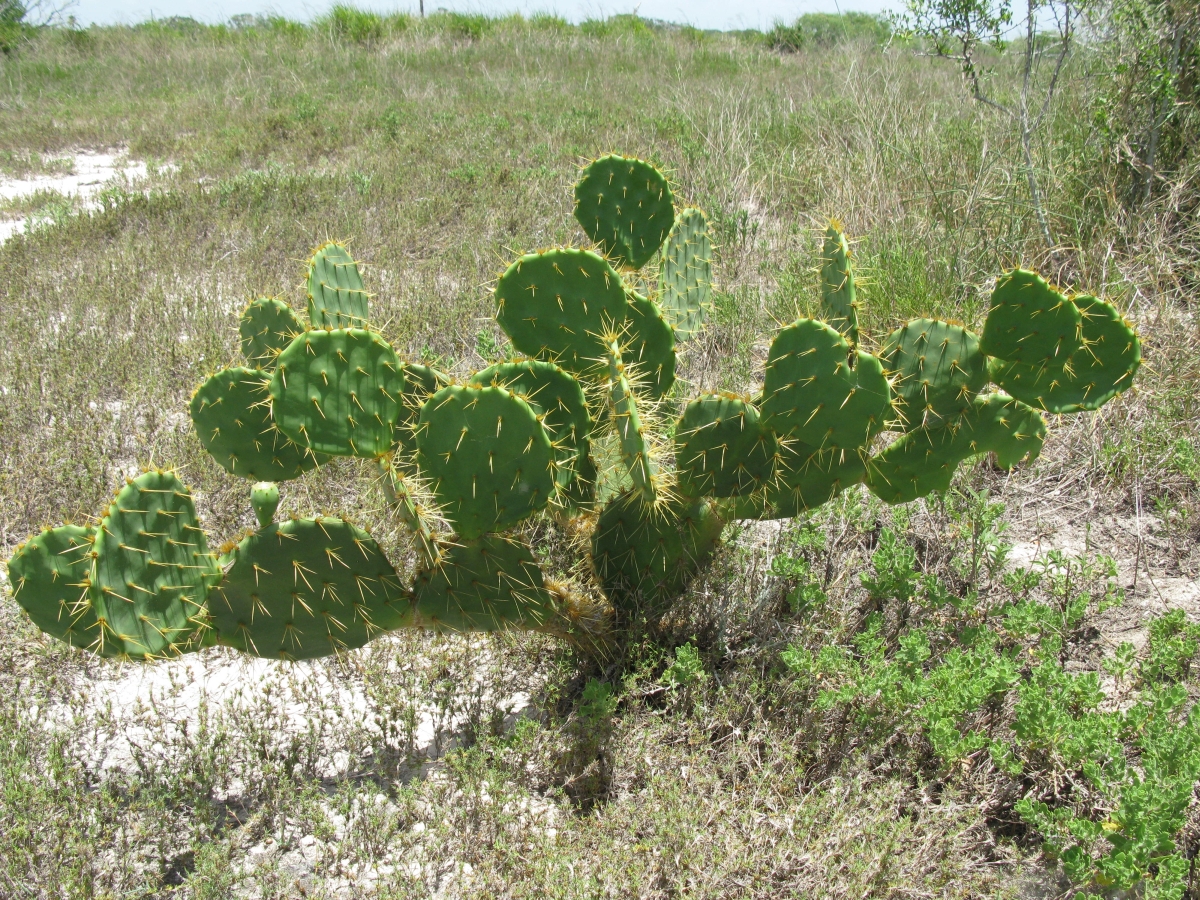
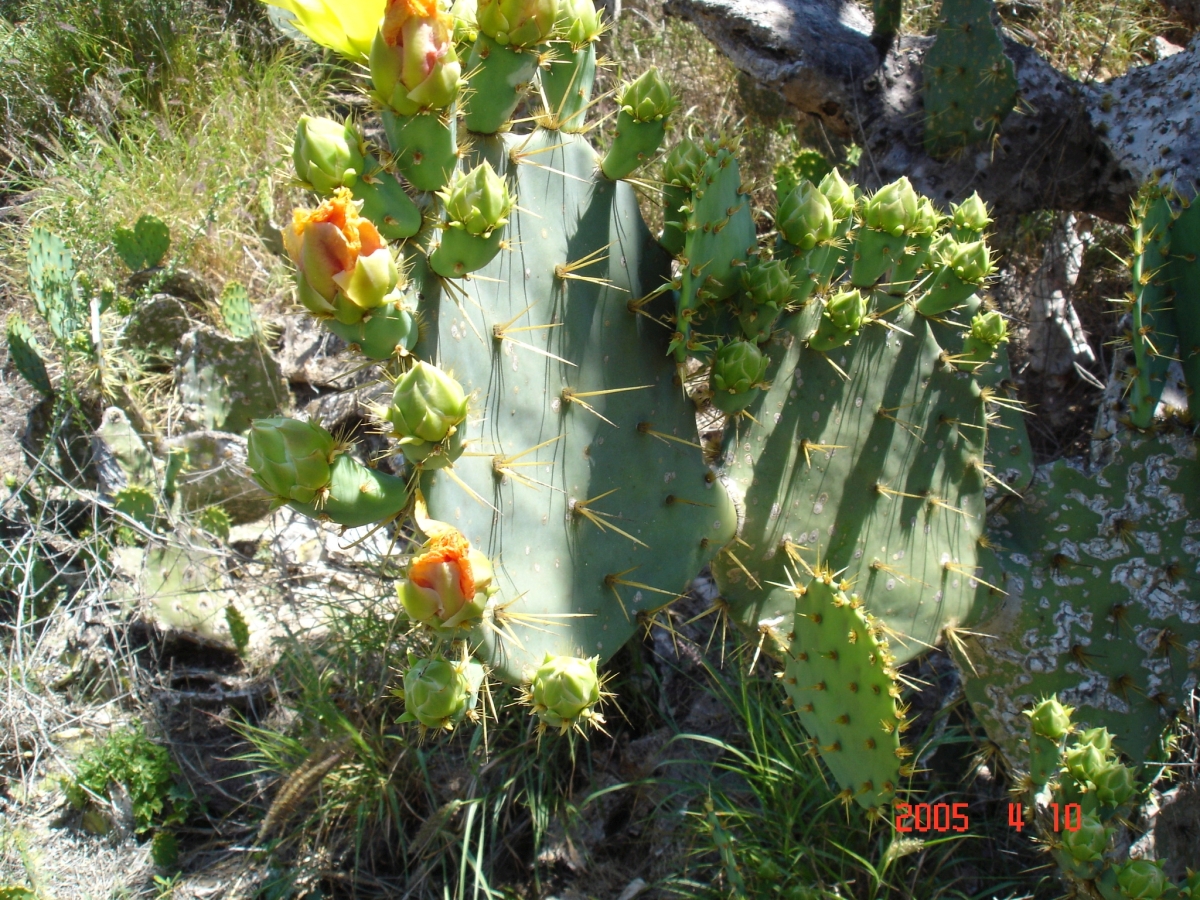
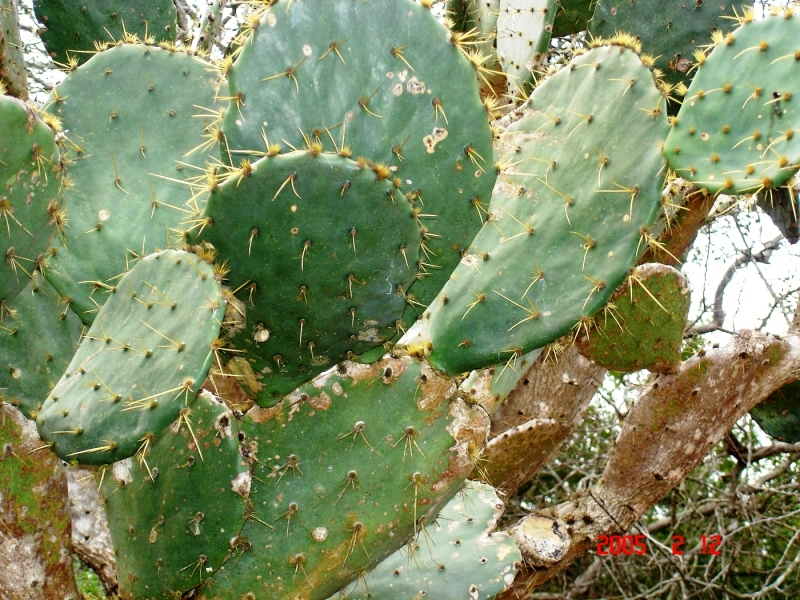
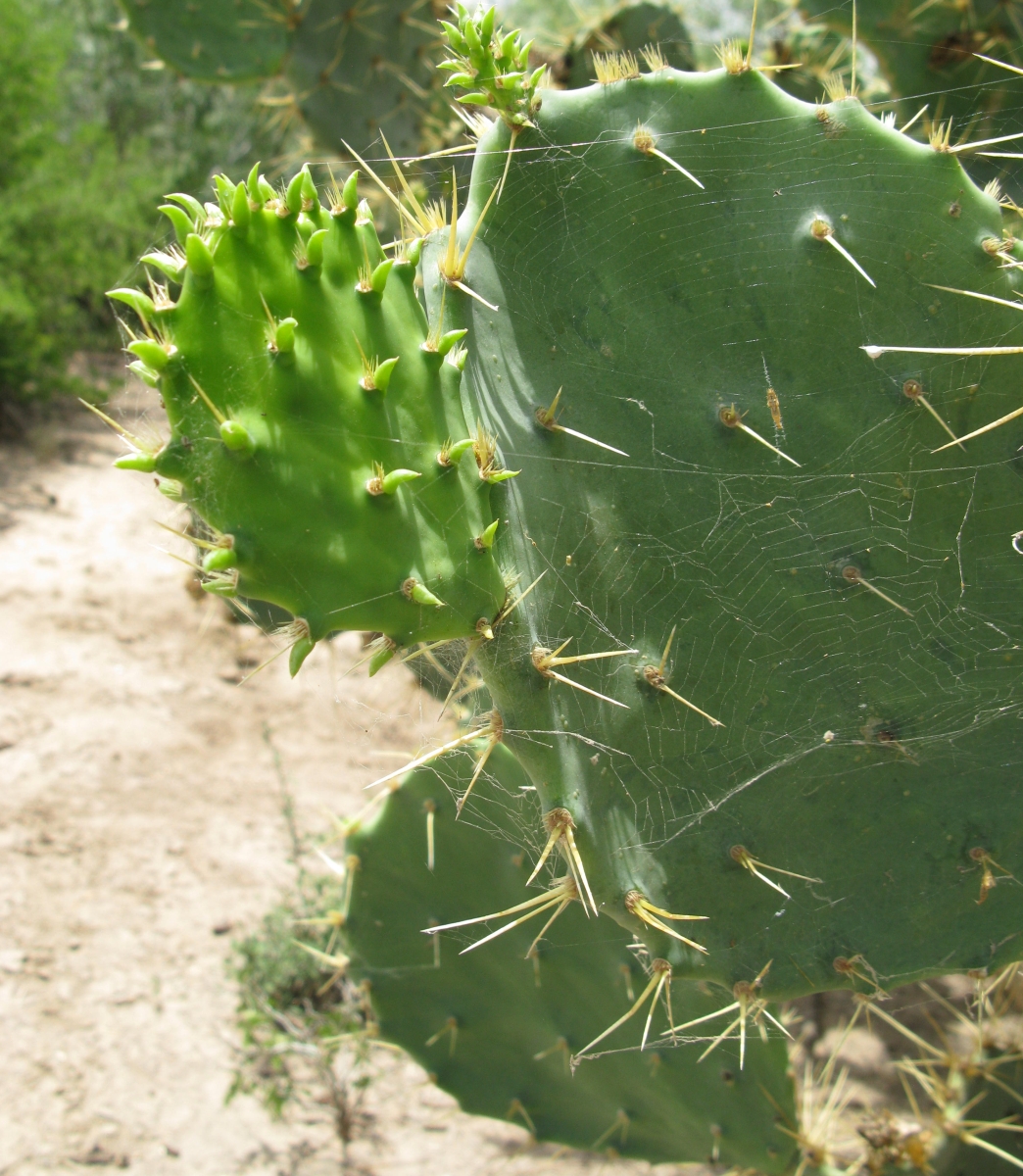
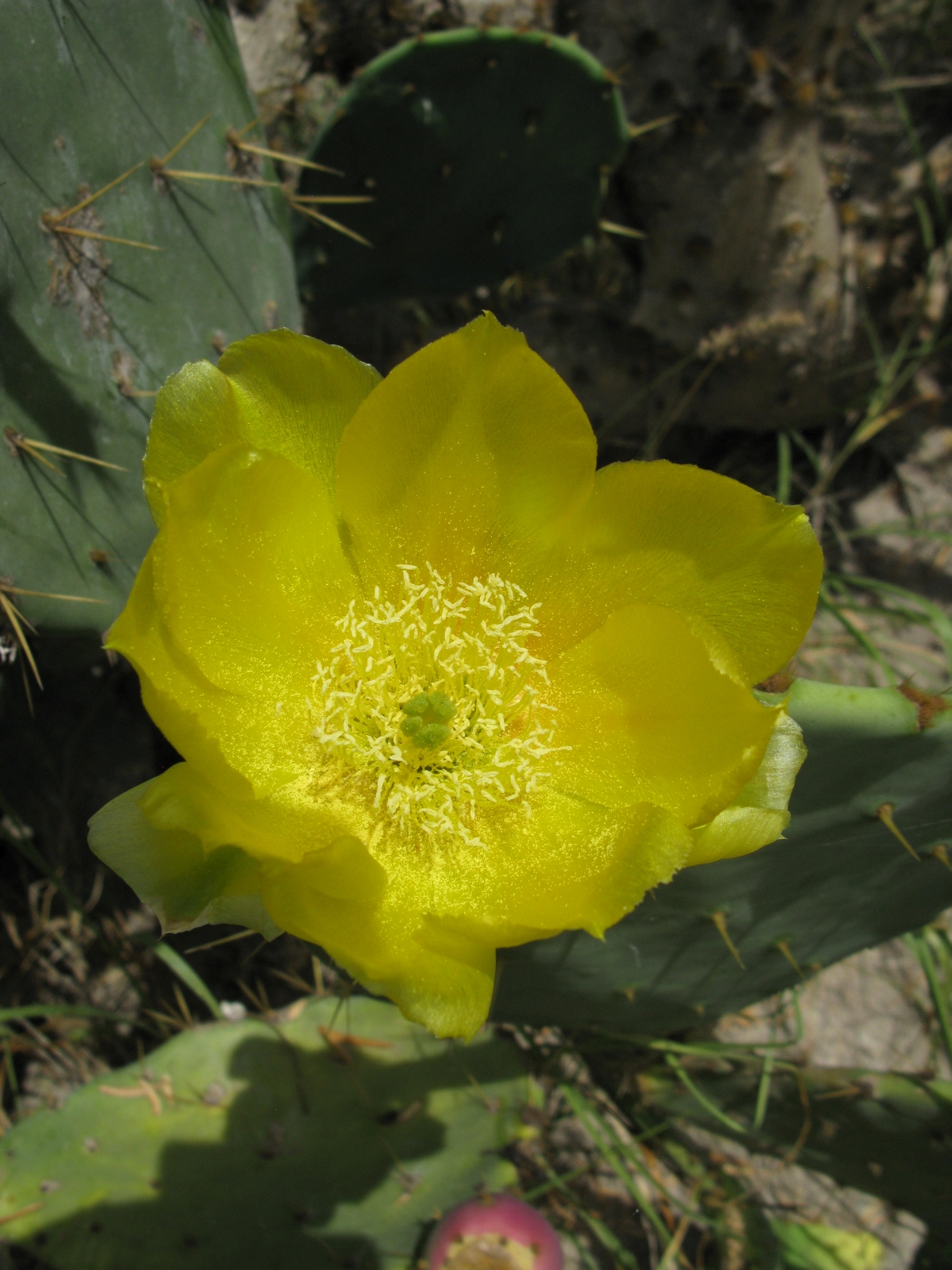
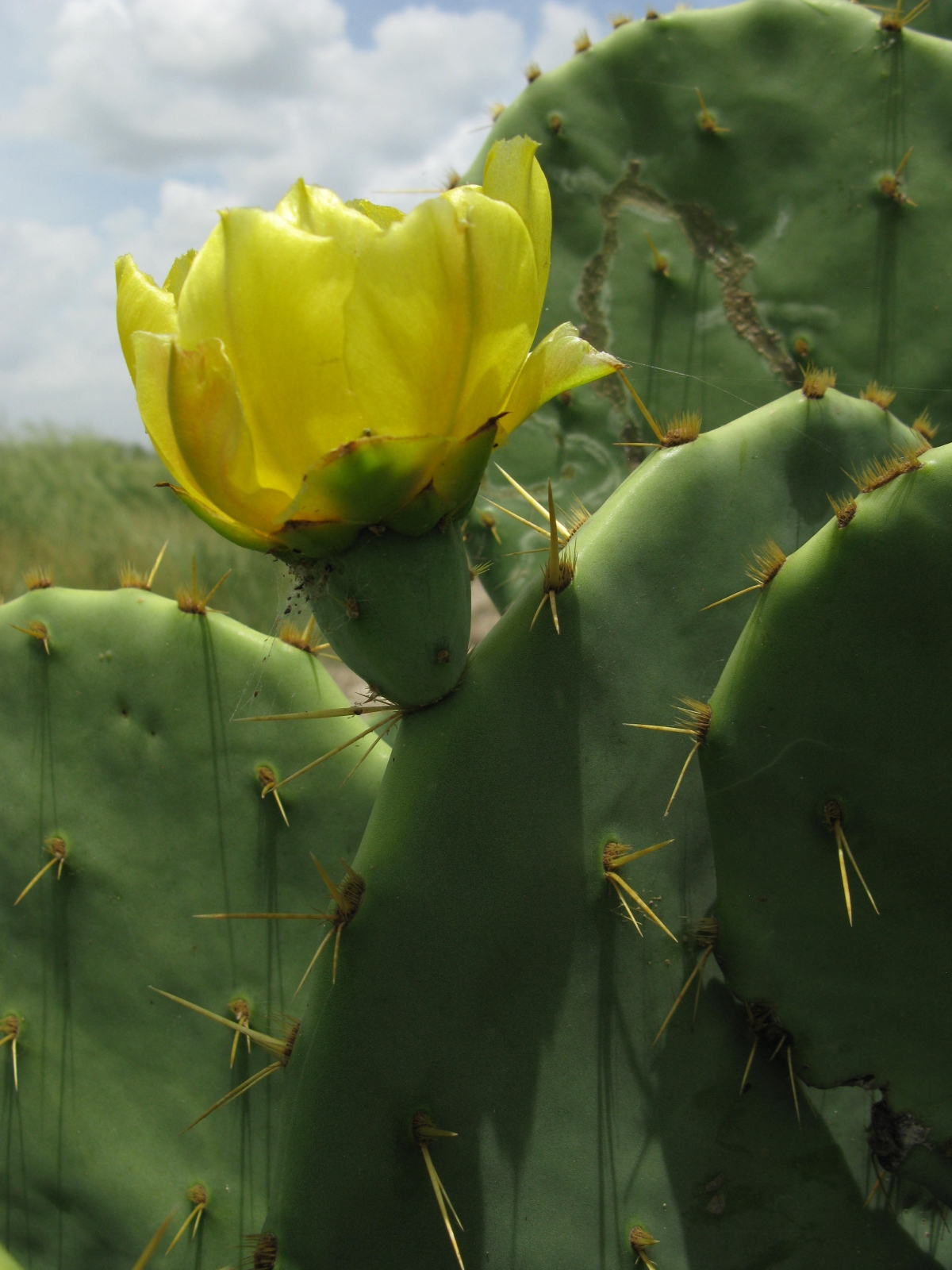
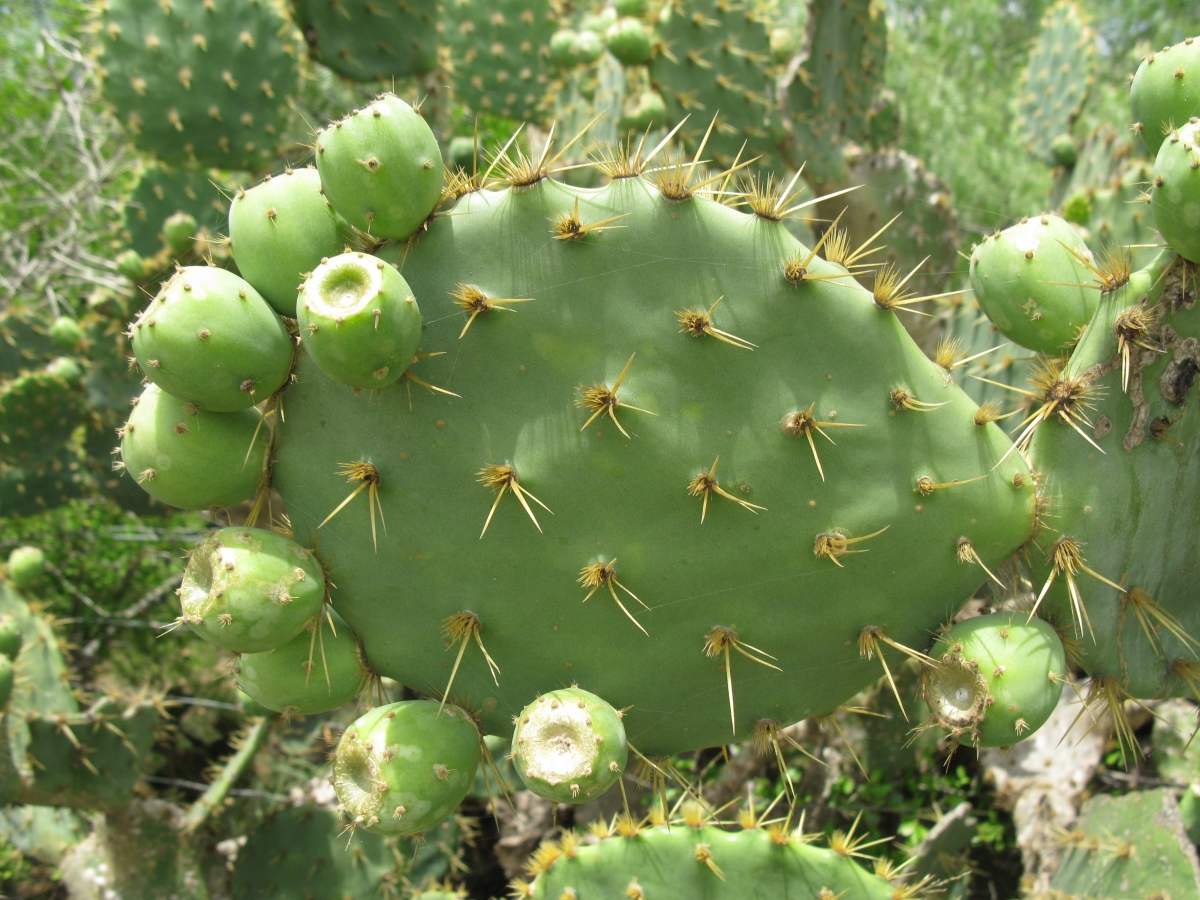
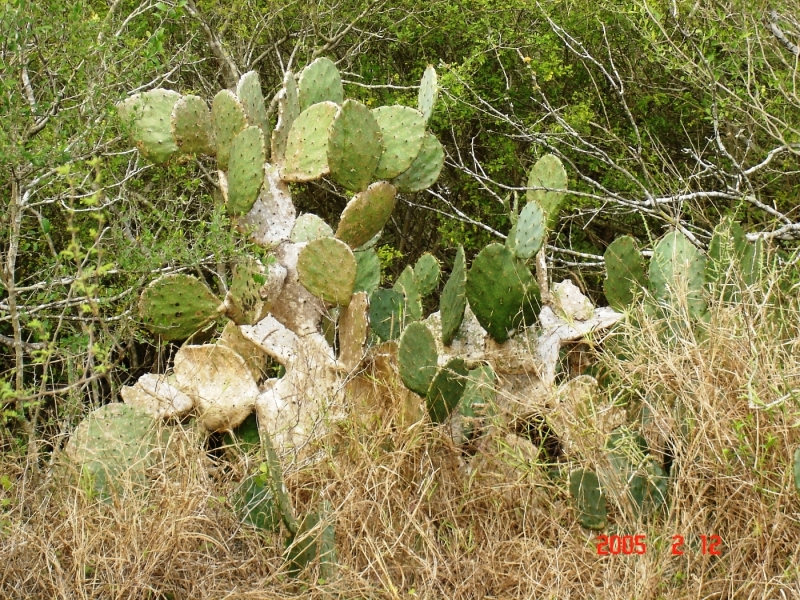
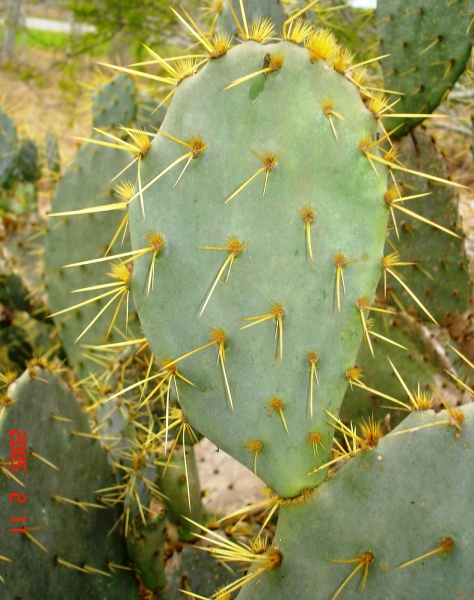
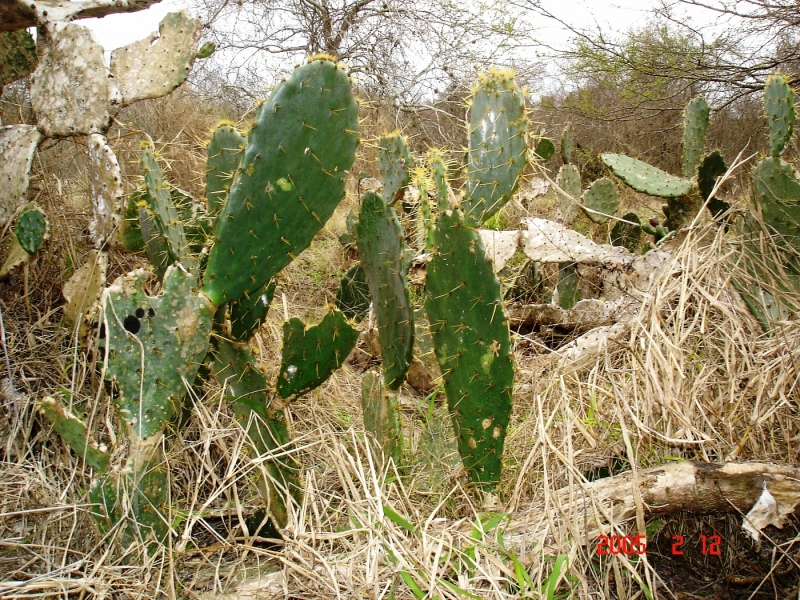
Shrubs: Tree-forming plants with stout trunks and heavy, often arching branches; older individuals commonly 3–4 m tall. Cladodes: Subcircular to broadly ovate–obovate, thick and firm; areoles round to slightly raised, with conspicuous glochid tufts; new cladodes often appear in pairs near shoot tips. Spines: Yellowish, usually few per areole and moderately spaced; commonly about 1–1.5 cm, appearing fewer than in similar South Texas taxa. Glochids: Abundant, frequently occupying much of the areole. Flowers: Lemon-yellow (sometimes paler or greenish-yellow), generally smaller than those of O. lindheimeri or O. engelmannii. Fruits: Roundish to ovoid, relatively small, often numerous, typically short-necked or without a neck. Seeds: Bony and pale, typical for the genus. Notes: Overall stature is distinctly tree-like—quite different from the low, sprawling shrubs that can be confused with it.
Cytology
Reported as diploid or hexaploid.
Similar or Sympatric Species
- O. lindheimeri — Large, spreading shrubs (about 0.5–1.2(–3) m); pads often obovate to orbiculate and thicker; spines clear-yellow, frequently longer and more numerous; flowers brilliant yellow aging orange-reddish; stigma typically dark green; fruits more often pyriform.
- O. engelmannii — Pads can be thick and heavy in good conditions; spines often in a “bird’s-foot” pattern and sometimes chalky with darker bases; related to O. lindheimeri but differing in spine patterning and other traits.
- O. stricta — Coastal, shrubby to prostrate-ascending plants about 1–1.5 m; pads narrower (elliptic to obovate); fruits stipitate and ellipsoid to barrel-shaped; typically a beach-dune species rather than arborescent.
- O. bentonii — Low, open shrubs usually < 50 cm; thin pads with raised, dimpled areoles; stigmas yellow to yellow-green; larger seeds than O. lindheimeri; confined to Gulf Coast beach-dune habitats—very different in stature from tree-forming O. alta.
- O. cacanapa — Another arborescent prickly pear; branches may be more upright and pads often differ in color and surface texture.
Other Notes
Britton & Rose (1919) remarked on the exceptional height of O. alta among U.S. prickly pears. In cultivation, plants from near Laredo, Texas, have endured several winters outdoors in Albuquerque, New Mexico, with protection—evidence of some cold tolerance when sheltered. Given its ultimate size, it may outgrow small gardens, though modest plants can be maintained with pruning and still flower and fruit freely.
For more information, see:
García-Morales, L. G., García-Jiménez, J., Contreras-Medina, R., Alcántara-Ayala, O., & Luna-Vega, I. (2022) Diversity, distribution, and conservation of the Cactaceae (Caryophyllales) from Tamaulipas, Mexico, Biodiversity and Conservation. 156:1405.
Shaw, J. Opuntia alta Griffiths, Description and Synonyms (Cactaceae, Opuntioideae).


I have a plant that is either Opuntia cacanapa or Opuntia alta how am I able to tell the difference between the two mine has up to 3 yellow spines in a glochid but that’s rare most have 1 some have none but still have glochids they both have curling leaves so do mine they both form a trunk mine is doing so and he’s grown 13 pads this year alone so far