Introduction
In the central Great Plains (Kansas), rabbits and rodents eat prickly pear. The work summarized here focused on a Great Plains species, Opuntia humifusa. Animals consumed fruits and, under stress, pads; use peaked during drought and winter, then declined when green forage returned.
The Details
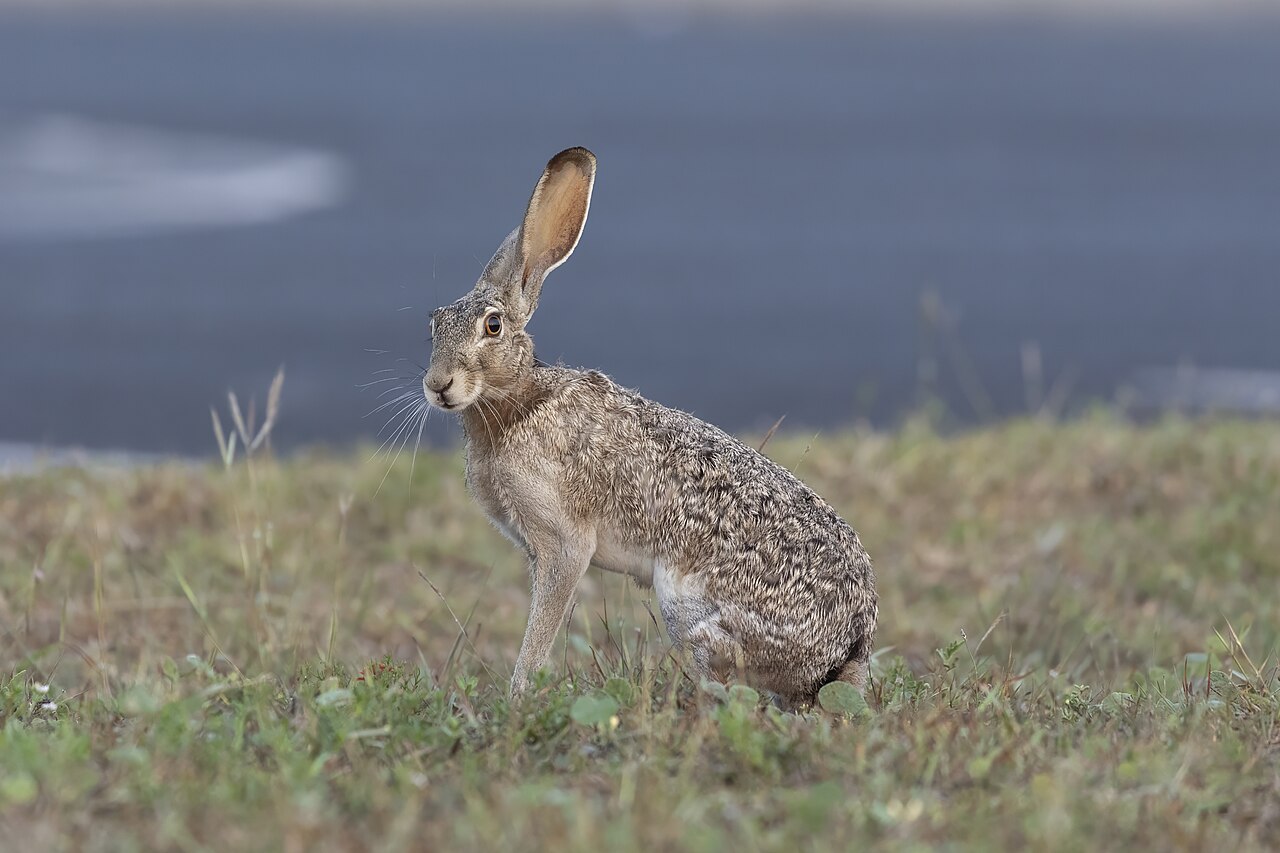
During the fall drought of 1939, black-tailed jackrabbits fed heavily on prickly pear, and feeding continued through snowy periods. With spring moisture in 1940, and the return of grasses and forbs, jackrabbits ate noticeably less cactus. Fruits were taken in quantity each fall. Most seeds passed through intact, and many were dropped in pellets; pellets with seed accumulated most in overgrazed, cactus-infested short-grass, and near cactus clumps, with substantial numbers even along the edges of nearby wheat fields. Seeds from pellets germinated readily and often more quickly than seed taken directly from fruits.
Rodents played mixed roles. Thirteen-lined ground squirrels cached seed; when caches were forgotten, some seedlings emerged—one survey documented 13 caches that produced 75 seedlings—yet many of those seedlings were browsed off within days, apparently by rabbits. White-footed mice frequently opened seeds and ate the contents; they also broke into some rabbit pellets to reach seed and commonly nested beneath cactus clumps using short grass.
Pad spread by rabbits appears minimal. When rabbits fed on pads, they typically gnawed tissue cleanly rather than detaching whole internodes, so detached-pad dispersal by rabbits was rarely observed. The overall picture is clear: rabbits can disperse viable seed while also browsing new seedlings, ground squirrels both “plant” and predate seed, and mice act mainly as seed predators that exploit cactus patches and nearby pellet piles.
Additional Reading: Rabbits Rodents and Cacti