Nopales, Houston Food Bank
Introduction
In semiarid regions, prickly pears (Opuntia spp.) pair tough physiology with useful plant parts. With CAM photosynthesis and water-storing cladodes, they turn brief rains into fruit (“tunas”) and tender pads (“nopalitos”), while also producing substantial biomass for livestock during drought.
The Details
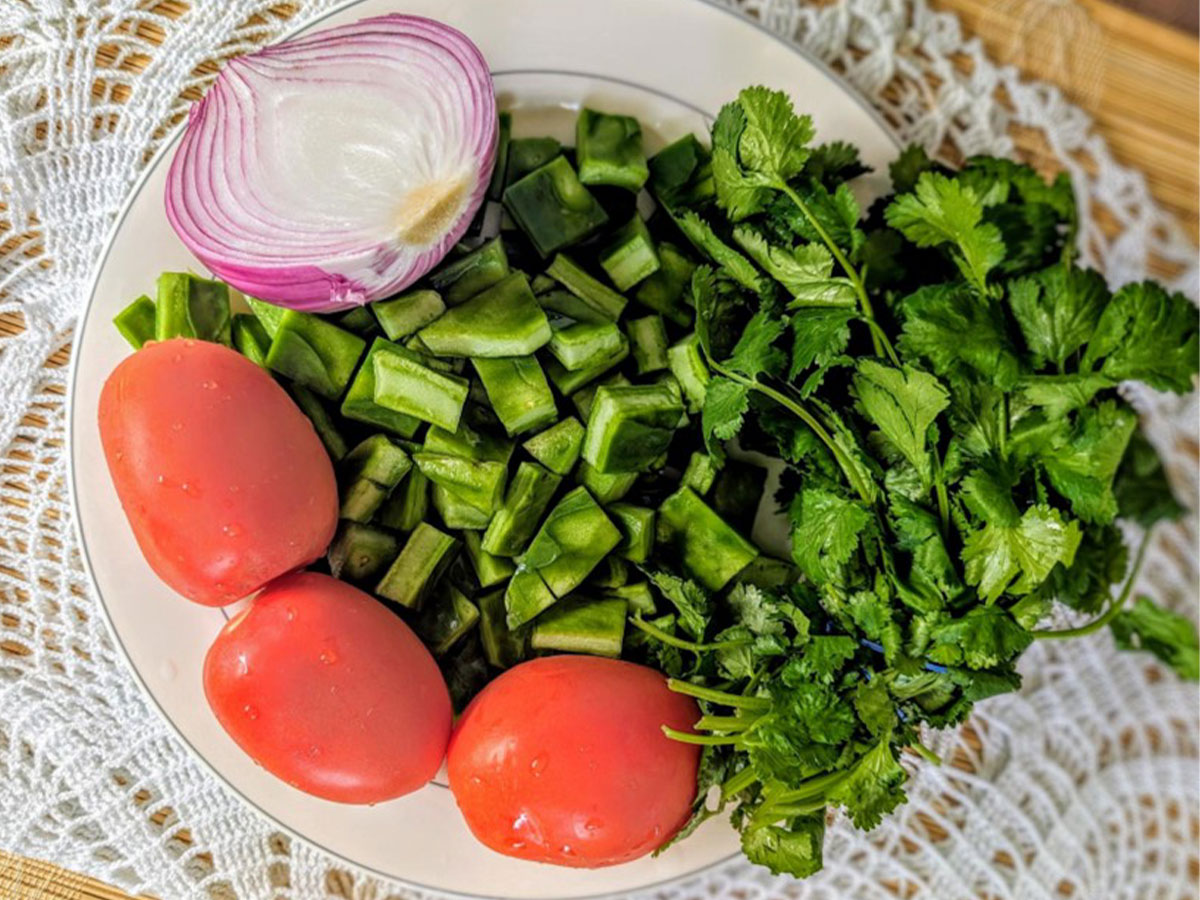
As food for people, domesticated Opuntia cultivars offer sweet, peelable fruits in colors from greenish-yellow to deep purple. After brushing off glochids and peeling, the pulp is eaten fresh or processed into juices, syrups, and preserves. Young pads from spineless or lightly spined forms are harvested as a green vegetable; when sliced and quickly cooked, they deliver a mild, tart flavor and the characteristic mucilage that thickens sauces.
As forage and fodder, pads supply energy, water, and minerals when grasses dry down. In rangeland practice, ranchers singe spines with “pear burners” so cattle can feed safely, while farms use spineless cultivars for direct chopping and stall feeding. Because cactus biomass is usually low in protein but high in digestible energy per unit rainfall, it pairs well with protein sources such as leguminous shrubs or supplements. In good conditions, orchards can yield many tons of fruit per hectare and tens of tons of vegetative dry matter, buffering herds through erratic seasons.
Botanically, Opuntia is diverse and adaptable. Shrubby prickly pears and chollas contribute most of the useful germplasm, and interspecific hybridization—plus easy vegetative propagation—lets growers fix traits like large, flavorful fruits, reduced armament, and cold tolerance. From Mediterranean hedgerows to Latin American orchards, selections of O. ficus-indica and related species have been moved, multiplied, and naturalized wherever winters are mild and summers are dry.
Ecologically, the genus spans remarkable climates. Northern species such as O. fragilis and O. polyacantha reach far into high latitudes and continental interiors, while southern forms extend through Patagonia. This range reflects the basic cactus toolkit—CAM, nocturnal gas exchange, thick cuticles, and shallow, fast-foraging roots—combined with growth that tracks rainfall pulses. In working landscapes, that same toolkit makes Opuntia a reliable bridge crop between wet and dry years, supporting both kitchen tables and herds when other forages fail.
Additional Reading: Opuntias A Source of Human and Animal Food