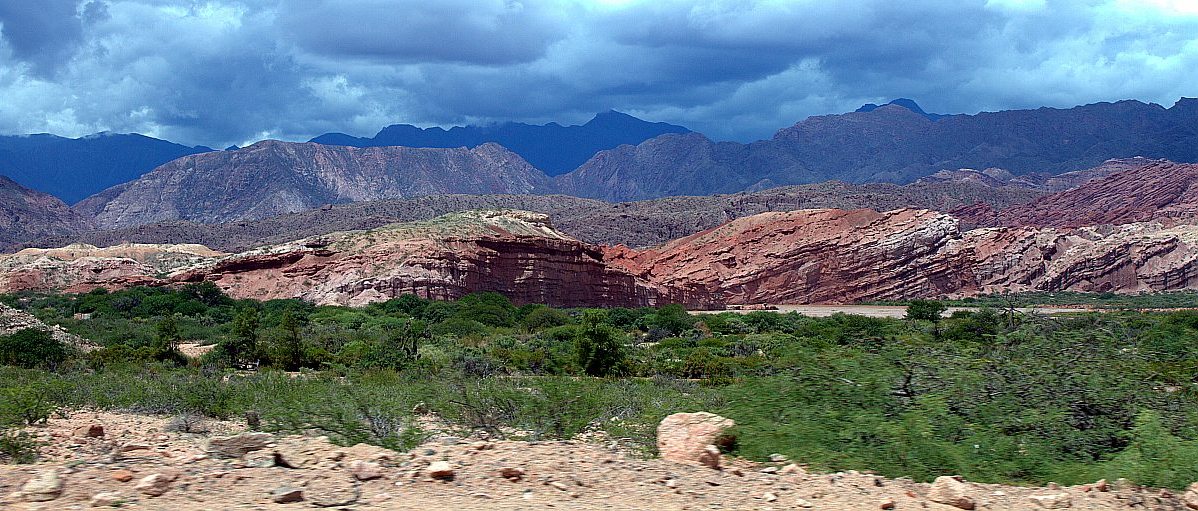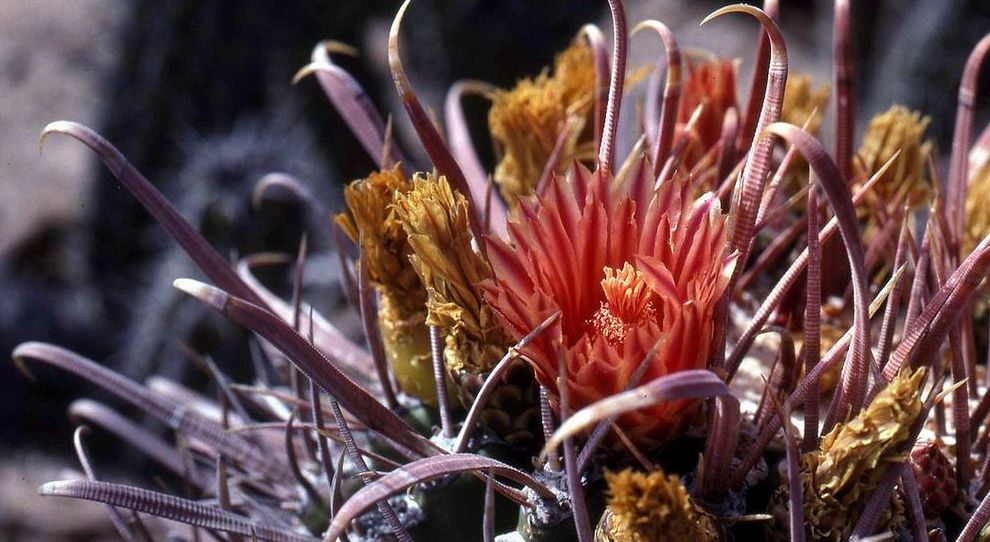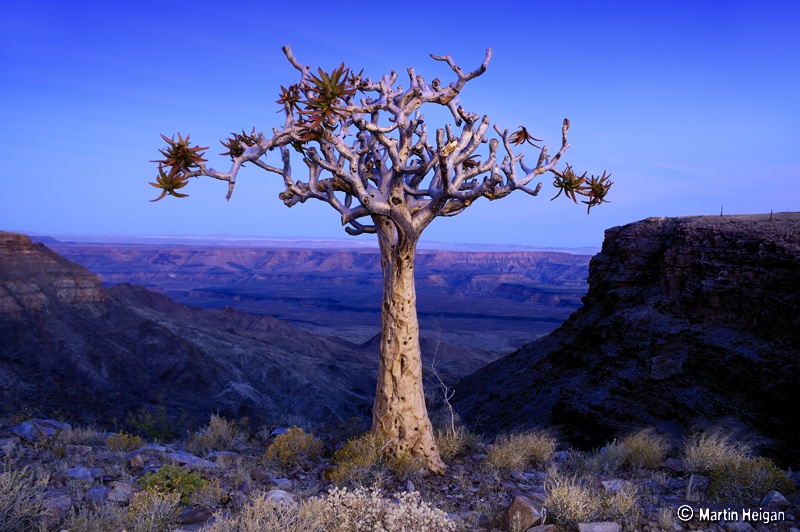
(Photos: All photos on this page are by Martin Heigan.)
Introduction
Martin Heigan is a South African photographer whose work often highlights desert plants and landscapes. His images are clear, composed, and informative—showing structure, light, and habitat without distraction.
The Details
Martin’s photographs of the quiver tree, Aloe (Aloidendron) dichotoma, show why this species stands out in dry country. The common name comes from the practice of hollowing branches to make arrow quivers used by Indigenous peoples. Most plants occur in South Africa, with populations extending into Namibia.
Within this group, closely related forms include A. ramosissimum and A. pillansii. Treatments vary, but all share the same general theme: tall, branching crowns and thick, water-holding stems adapted to arid climates. Mature A. dichotoma can reach tree-like size with stout basal trunks and a canopy that casts real shade on rocky slopes.
In some areas, quiver tree stands show signs of stress—fewer seedlings and losses of older plants during hotter, drier periods. Changes in temperature and rainfall patterns likely play a role. A. pillansii is considered at very high risk in the wild, and careful protection of remaining plants and habitats matters.
Martin’s images capture these trees in context—bark texture, branching patterns, and flowering scenes—so viewers can appreciate both the plant and its place. As you browse the gallery, note how light, season, and setting bring out different features of the same species.
Additional Reading: Quiver Tree and Global Warming