From: www.nationalgeographic.com
Introduction
Two camels, two blueprints: Bactrian camels (Camelus bactrianus) have two humps; dromedaries (Camelus dromedarius) have one. Bactrians are stockier and native to Central Asia, while dromedaries are widespread across North Africa and the Middle East. Domesticated more than 3,000 years ago, camels earned the nickname “ships of the desert” for carrying heavy loads over long distances with remarkable efficiency. Their humps store fat—not water—which the body can convert into energy and a bit of metabolic water during lean stretches. Desert-ready features help them thrive: closable nostrils, long lashes, a thick hide, broad cushioned feet for sand, and a split upper lip whose two halves move independently for precise browsing.
The Details
A camel’s mouth is built for brutal snacks. Inside, tough, raised, cone-shaped papillae line the cheeks and tongue, and the oral tissues are partially keratinized—the same hard material found in fingernails. Together with a thick, keratinized hard palate, those papillae let the animal grind food against the palate like a mortar and pestle without tearing delicate tissues.
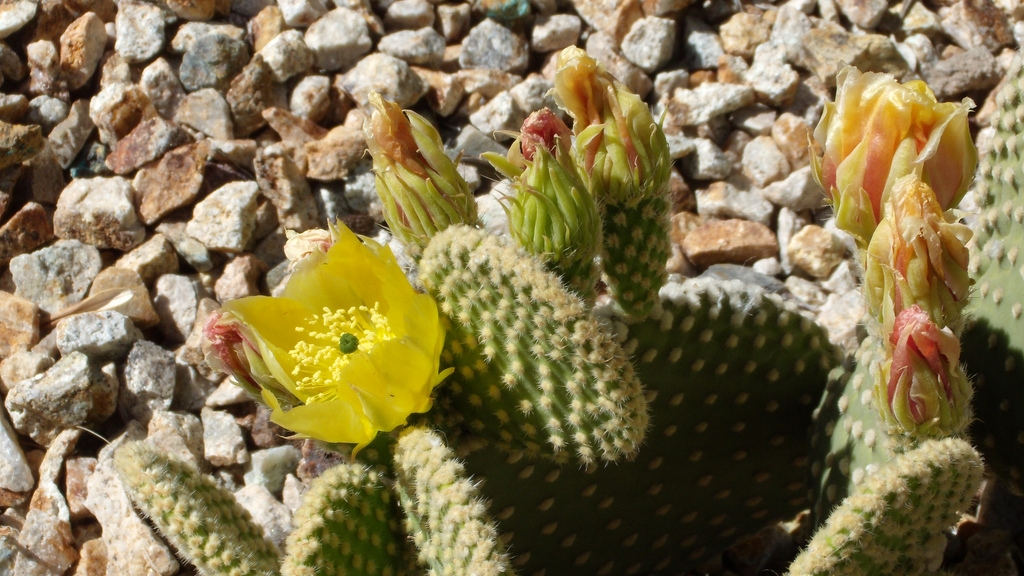
When a camel chews a spiny cactus pad, its slow, rotating chew helps reorient the spines. The papillae guide the spines so they slide lengthwise toward the throat rather than piercing sideways, which greatly reduces damage on the way down. The mobile, bifid upper lip adds finesse, letting the animal pluck and position each bite with surprising accuracy.
Camels don’t simply tolerate cacti—they can make use of them. In dry seasons, people often chop or crush prickly-pear pads to knock down spines, then feed the juicy pulp as supplemental forage. The moisture helps with hydration, while the pulp provides energy; as always, good husbandry means managing spines first.
Additional Reading: Enhancing milk production of lactating camels with cactus