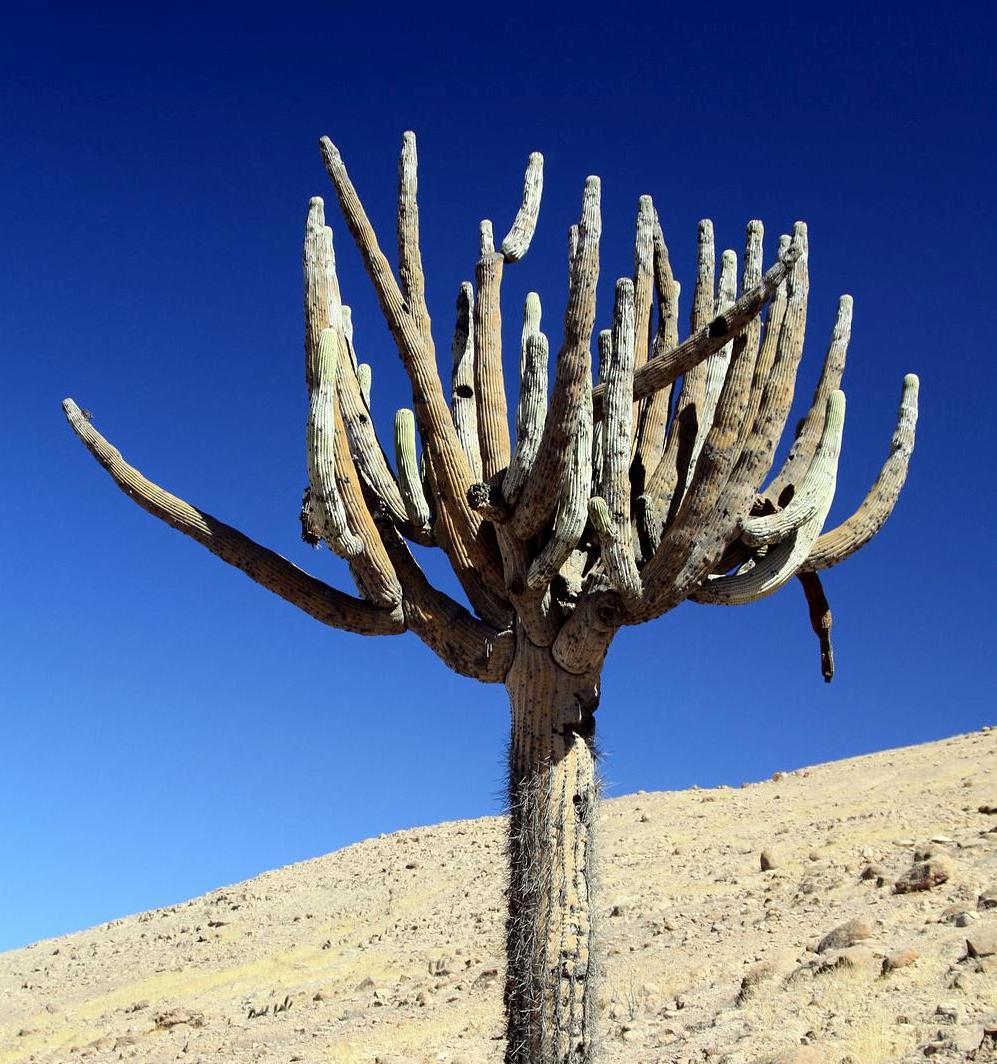
(Photograph = Escobaria missouriensis, Kerry Woods)
Introduction
Cactus names move. Whole genera get folded, split, or redrawn, so labels you learned a decade ago may read differently today. Escobaria is a good example. Long paired with Coryphantha in field guides, it has also been tangled with Pelecyphora in recent treatments, which explains why familiar species sometimes turn up under unfamiliar headers. For gardeners and naturalists, the practical takeaway is simple: expect synonyms, check a current source, and focus on the characters you can see on living plants.
The Details
Coryphantha and Escobaria really are close. Both are compact cacti with tubercles rather than ribs, flowers near the stem apex, and neat, often bristling spines. Two field cues help separate them. First, Coryphantha typically shows a shallow groove on the flowering tubercles that leads toward the areole; Escobaria downplays that feature. Second, seeds differ under magnification: Escobaria tends to have pitted (foveolate) seed coats, whereas Coryphantha runs more netted (reticulate). Those small traits are the reason older floras shuffled names, and why some modern sources still treat the groups as nearly interchangeable.
Range is broad. In the traditional sense, Escobaria stretches from the northern Great Plains and south-central Canada through the Rockies and deserts into Mexico. Species such as E. vivipara and E. missouriensis push far to the north and east for a cactus, holding on in short-grass country, sandy breaks, and thin, gravelly soils. Others are Chihuahuan locals tucked into limestone, caliche, or coarse alluvium. Many are genuinely cold-hardy if kept dry in winter, which is why they remain staples of rock gardens and crevice plantings.
Cultivation is straightforward. Give bright sun, a lean mineral mix, and ruthless drainage. Water in pulses during warm weather, then let pots go bone-dry; keep winter dry and airy. Most failures come from heavy soils, fertilizer-rich mixes, or watering in cool weather. Expect variation across the group—some species offset into pads or low mounds, others stay solitary; flowers range from cream and tan to pinks and magentas. Taxonomy continues to adjust at the margins, with a few species historically placed in Escobaria reassigned by some authors. When a label disagrees with a book, take close photographs of seeds and tubercles, note habitat and substrate, and cross-check a recent treatment. That habit turns the name game into a field skill rather than a frustration.