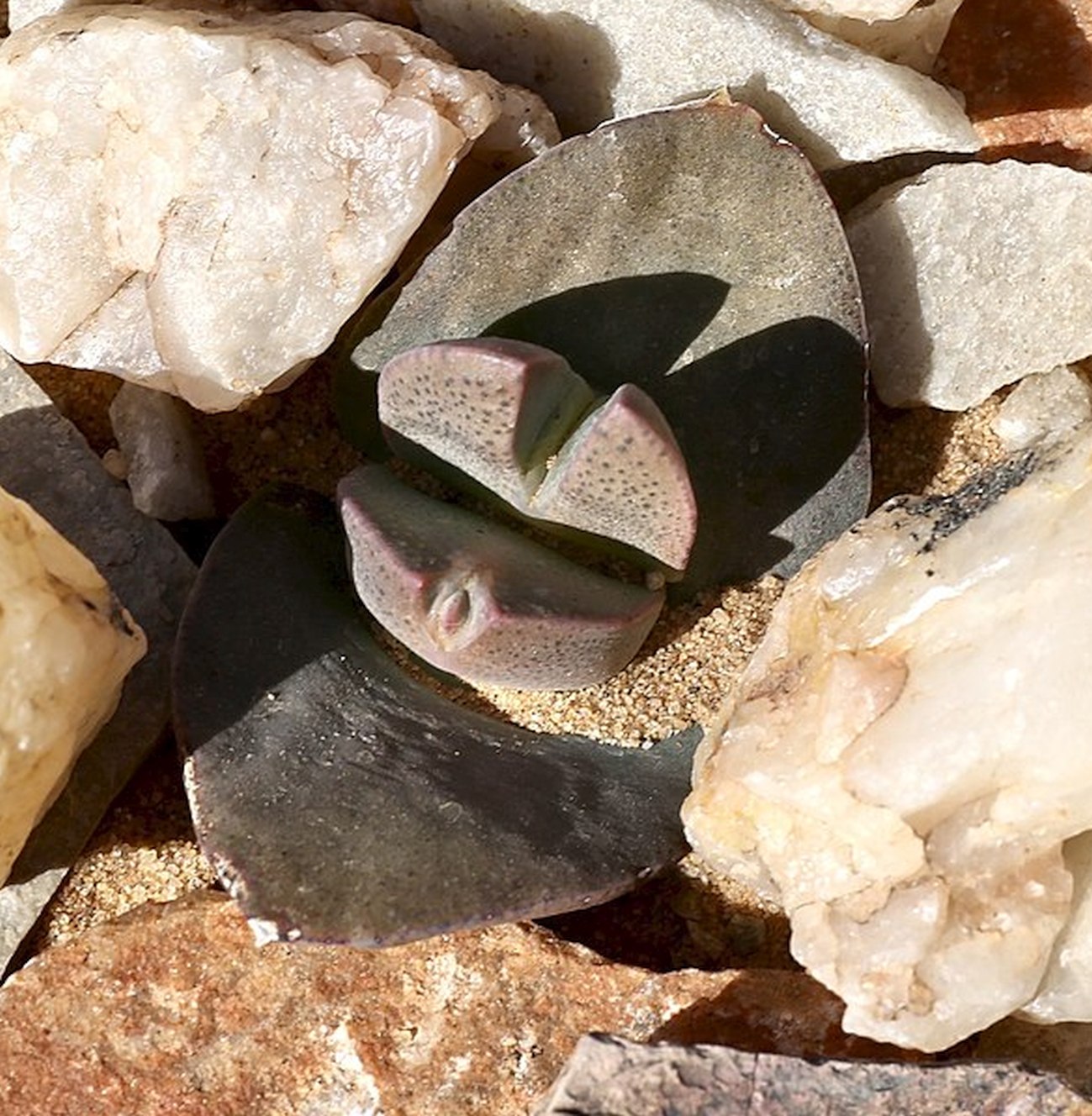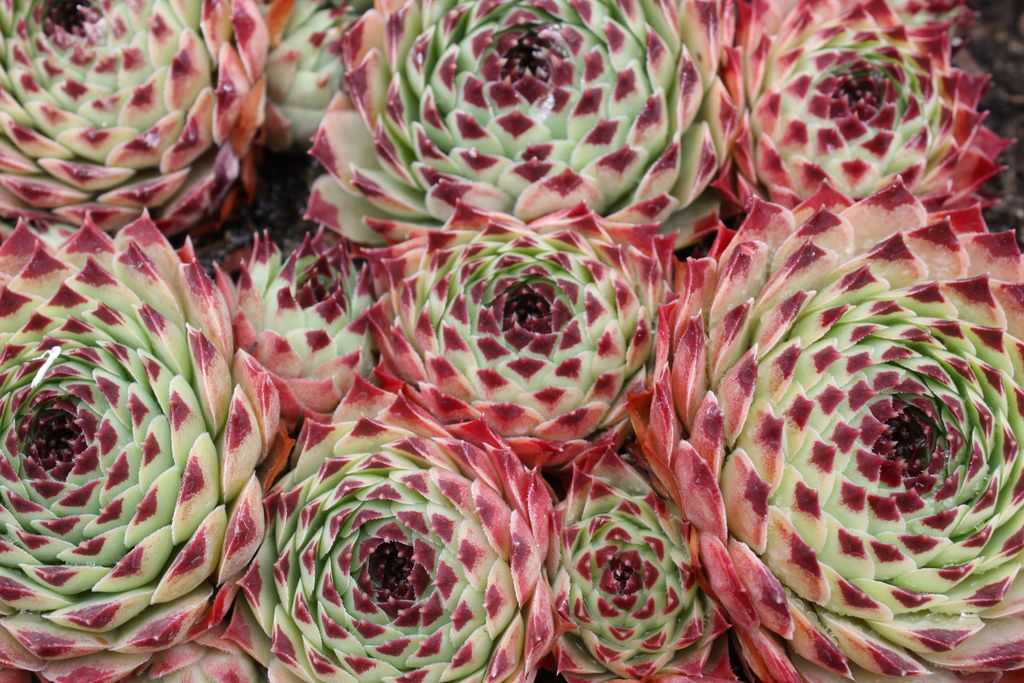
(Photograph = Sempervium hybrid, Pnay Gem)
Introduction
Many regions of the world swing between cold winters and dry summers. In the mountains of southern Europe—extending through the Balkans, Turkey, and nearby areas—winter lows can drop to −20 °F or colder. Plants that endure both deep freezes and summer drought are exceptional, and Sempervivum is a classic example.
The Details
Sempervivum species hybridize readily and show striking variation. Some turn red in cold weather, others are blue-gray or nearly chartreuse. Leaf tips may be pointed or rounded, surfaces smooth or cobwebbed with fine hairs. Dozens of species and countless garden forms exist, with hardy selections tolerating temperatures to about −40 °F.
Individual plants are small, but they expand into broad mats of rosettes—hence the nickname “hen and chicks.” Each rosette stores water in its fleshy leaves and produces offsets around its base. In season, a mature rosette sends up a stout stalk topped with starry flowers that are typically pink, yellow, or white. Petal counts vary (often 6–12). After blooming, that rosette dies; the surrounding offsets carry the colony forward. This strategy lets the plant survive short growing seasons and long periods of stress.
Sempervivum thrives on rocky ledges, scree, and thin soils where water drains quickly. Shallow roots anchor plants in crevices while the rosettes conserve moisture. These traits make them reliable in regions with snowy or windy winters followed by dry summers, and well suited to rock gardens, troughs, and green roofs where drainage is excellent.
Several close relatives share similar habitats and habits. Jovibarba, Prometheum, and Rosularia occupy cliffs and stony slopes from North Africa through the eastern Mediterranean and into western Asia—and even parts of China. All remain compact, form clusters, and prefer bright light with sharp drainage. Jovibarba is notable for offsets that detach and “roll” away, quickly colonizing nearby nooks. Across these genera, the formula is the same: small rosettes, high cold tolerance, efficient water storage, and a life cycle tuned to short, unpredictable windows of growth.
Additional Reading: Sempervivums in Turkey