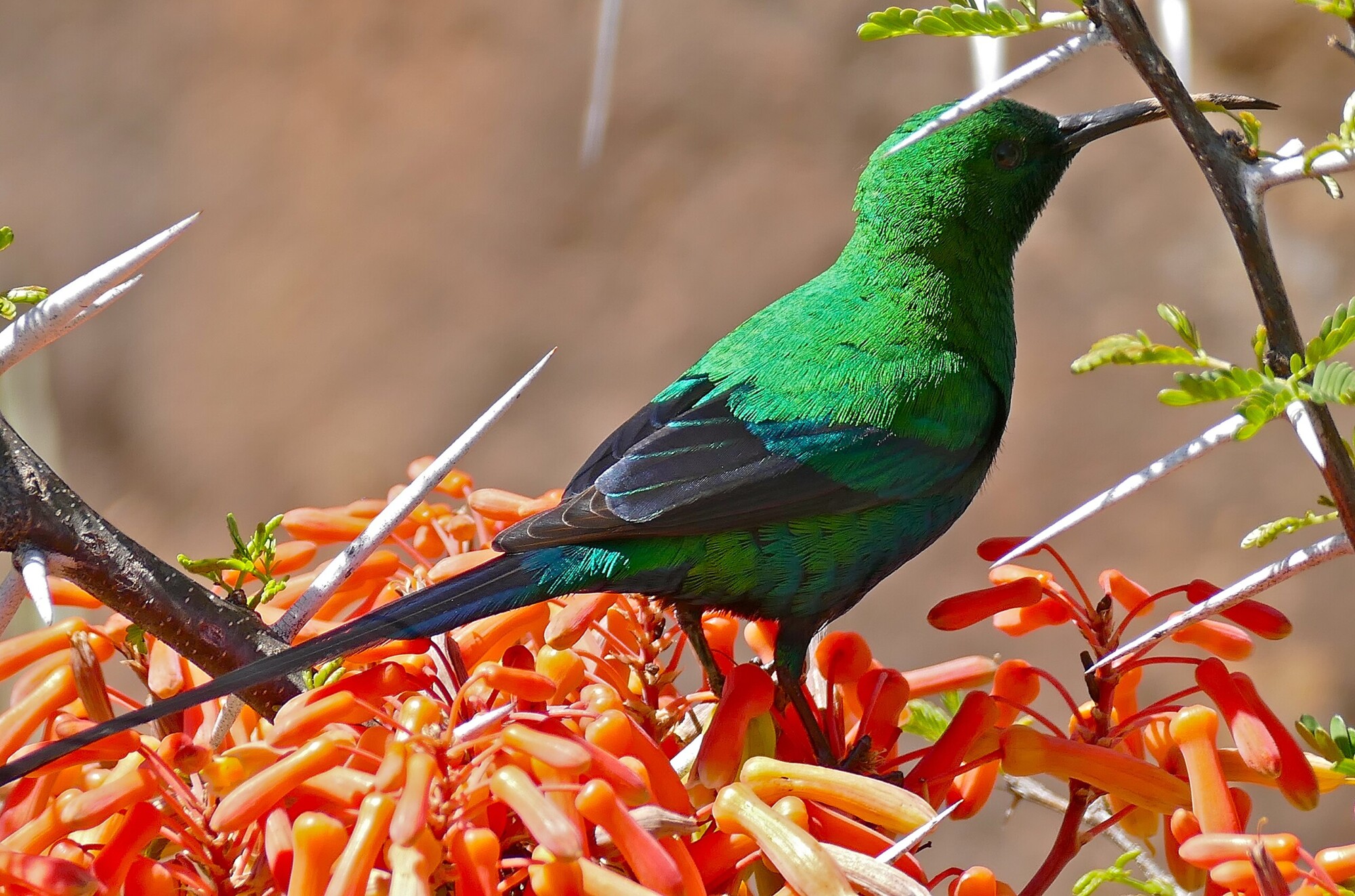
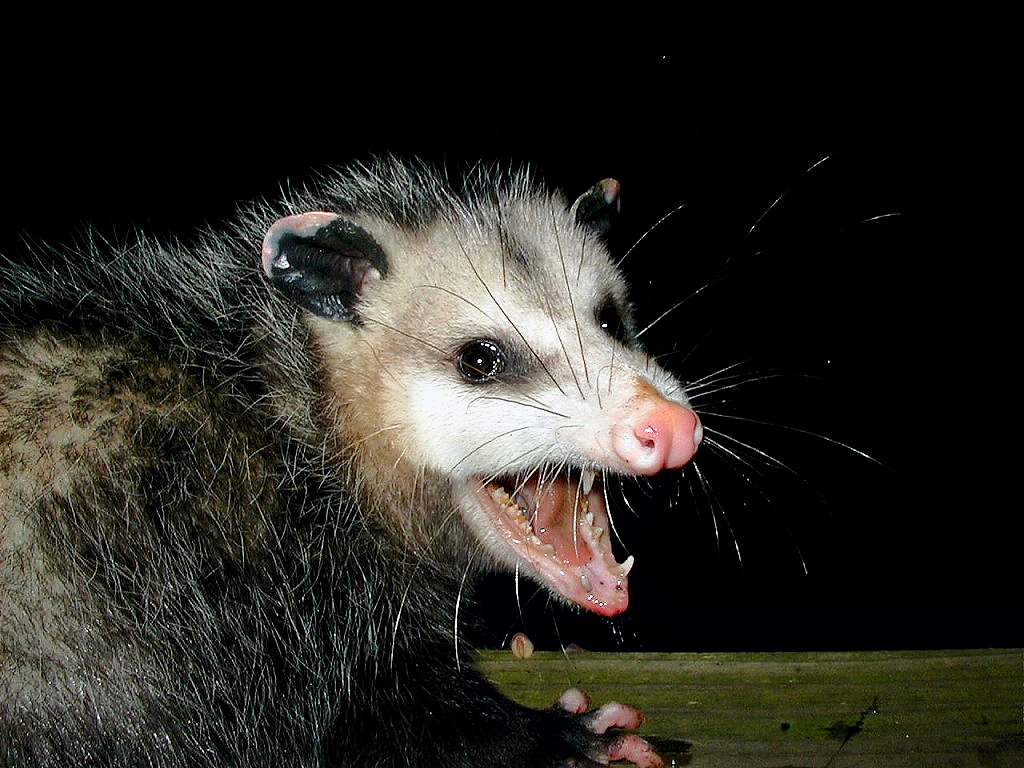
(Photograph = Panamint Kangaroo Rat)
Introduction
Deserts test everything. The Mojave, with roughly 4–8 inches of rain a year and wide swings of heat and cold, looks empty at first glance—yet it’s busy with life. From Joshua tree woodlands to saltbush flats, animals here have learned to move, feed, and hide on a tight schedule. Spend a little time at the right hours, and the place feels less barren and more like a neighborhood with its lights turned low.
The Details
Spring is the showy season, when wildflowers draw insects and the food chain wakes up. On warm mornings, lizards skitter from creosote to creosote, and side-blotched and spiny lizards take short sunbaths before dashing for cover. By late spring, watch for fat, green horned-lizard prey—sphinx-moth caterpillars—browsing on new growth.
As summer settles in, most movement shifts to dusk, night, and the brief cool of early morning. After a hot day, listen for soft rustles near the base of shrubs: kangaroo rats and ground squirrels tidying seed caches. On still nights, a drifting shape over the wash is likely a hunting owl; a quick, dry buzz reminds you that rattlesnakes own the darkness, too. After a monsoon burst, the desert can pulse with activity—moths, beetles, and the lizards and birds that feed on them.
Winter is quieter. Many reptiles brumate, and small mammals keep close to their burrows, though they may stir during warm spells. Birds are the exception; with wings to roam and keen eyes for fruit, insects, and seeds, they thread the Mojave year-round. Sage thrashers work low shrubs with quick, deliberate hops; ravens scout from thermals and fence posts; sparrows stitch through the grasses in busy little flocks.
If you want to see more, arrive at dawn or an hour before sunset, walk slowly, and watch the edges where the sun meets the shade. Out here, patience is the best field guide.
Additional Reading: Economic Benefits of the Mojave Desert