
(Photograph = Tephrocactus molinensis)
Introduction
Tephrocactus is a small opuntioid genus, centered mainly in Argentina. It is characterized by articulated stems made of globose to short-ovoid joints. Historically placed within Opuntia, it is separated by its segmented stems, distinctive armature, and several reproductive traits.
The Details
Across the genus, joints are designed to detach easily. When a segment breaks off, it can lodge in gravel or talus, root, and form a new clone. This works well on fast-draining, mineral substrates where competition is low. Areoles bear glochids and, depending on the taxon, spines that range from absent to stout; in some forms the spines are flattened or papery. Flowers are typically pale—cream to light yellow—and open during warm parts of the day. Fruits are often dry and persistent. Seeds have thick coats and tend to establish after intermittent moisture.
Field sites are usually open and arid: talus below cliffs, coarse alluvial fans, and weathered benches. After storms, runoff can carry both seeds and detached joints into cracks and shallow pockets. On south- and west-facing exposures, high solar load favors plants with thicker cuticles, edge-on joint orientation, and armature that shades the surface. On cooler north- and east-facing slopes, dew and thin lichen or moss films can trap dust and create small seedbeds. Substrate influences microhabitat: sandstone provides ledges and pockets; basalt provides narrow joints and drip-lines; limestone offers vertical fissures and slightly alkaline leachates.
A few species are common in cultivation. T. articulatus is tolerant of occasional overwatering and light frost, though steady moisture or low light produces elongated, “pine-cone” chains rather than compact, near-spherical joints. T. alexanderi (often known in collections as T. geometricus) typically forms tidy, near-spherical segments with sparse spines.
In containers, use a gritty, fast-draining mix, bright light, and deep-but-infrequent irrigation during the growing season. Allow a markedly drier, cooler rest in winter. Consistent shade or constant moisture encourages weak, elongated joints; sharp drainage and clear dry-down periods maintain the compact form that defines the genus.
Additional Reading: Subgenus Tephrocactus, 1973



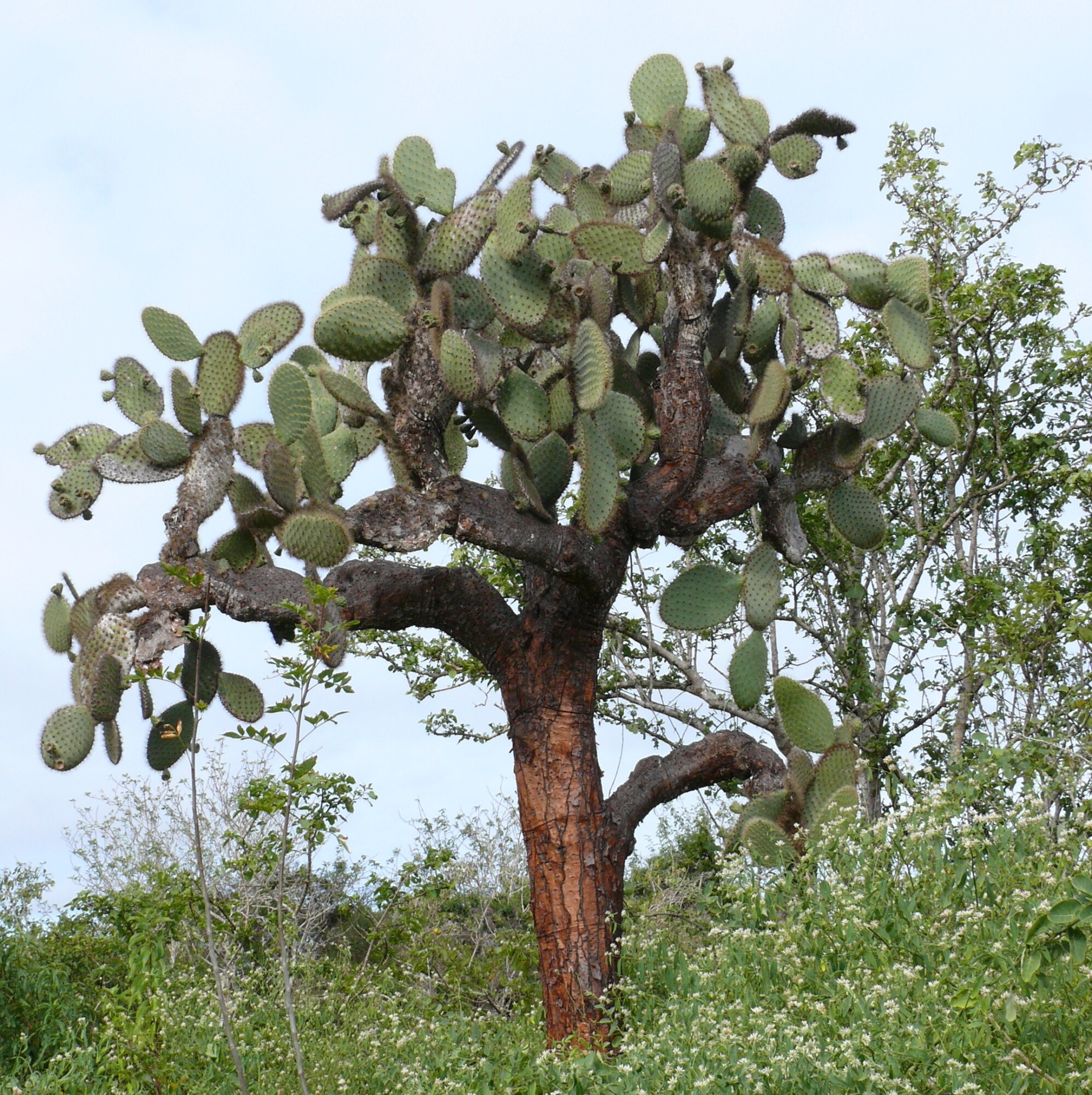
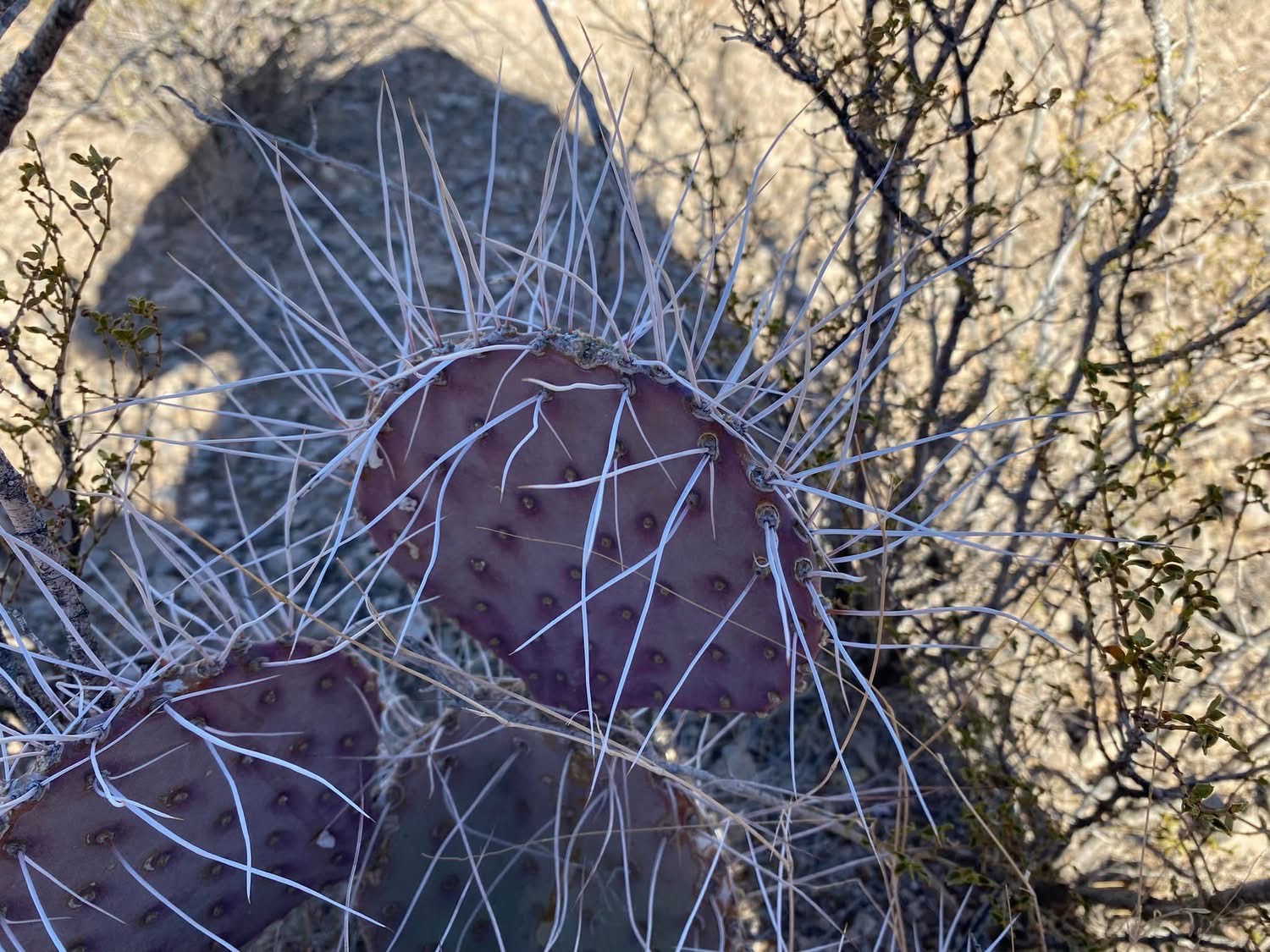
Thanks again for great information and photos. Would it be possible to identify the various species in your posts?
Carol Englender
Hi Carol,
I’ve got figure captions working again. Are they working on your end?
Joe