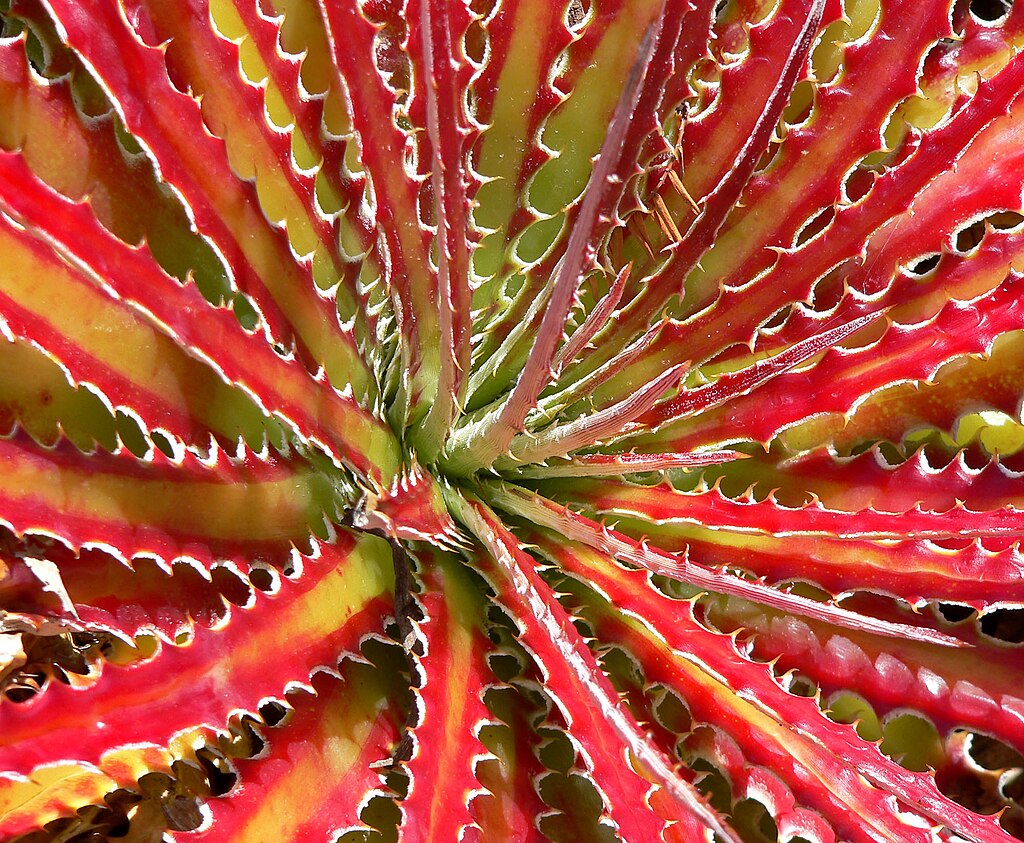
(Photograph = Pelargonium)
Introduction
In the Western Cape of South Africa, winters are cool and rainy, and summers are hot and dry. Within this Mediterranean climate, the low, evergreen shrublands known as fynbos form the heart of the Cape Floristic Region. Fynbos is famous for tight, fine-textured foliage, striking seasonal color, and exceptional diversity packed into a small area.
The Details
In broad strokes, ecologists often distinguish lowland fynbos on deep, sandy, nutrient-poor soils from montane fynbos on the slopes and ridges of the Cape Fold Belt. Three plant groups give the vegetation its look and structure: proteas with bold cones and leathery leaves, ericas with small bell-flowers and needlelike foliage, and restios—rushlike plants that stand in for grasses. Nearby renosterveld differs mainly in soil and species mix; it occurs on richer clays and silts and carries more grasses and geophytes.
Fire shapes the system. Many species are adapted to periodic burns that open the canopy, cue seed release, and reset the stand. When fires come too often, or not often enough, diversity can drop. Major pressures today include invasive trees and shrubs that outcompete native plants and alter fire behavior, as well as farming and urban growth that have fragmented the most fertile lowlands.
For visitors, the appeal is immediate. On a single walk, you can pass from low heaths to rocky slopes and see dozens of species—some with showy inflorescences, others with tight rosettes or fine, tufted stems. For land managers, careful fire scheduling, invasive-species control, and protection of remaining lowland fragments remain the keys to keeping this globally important flora intact.
Additional reading: Preserving the Evolutionary Potential of Floras in Biodiversity Hotspots
Additional reading: Fynbos Biome