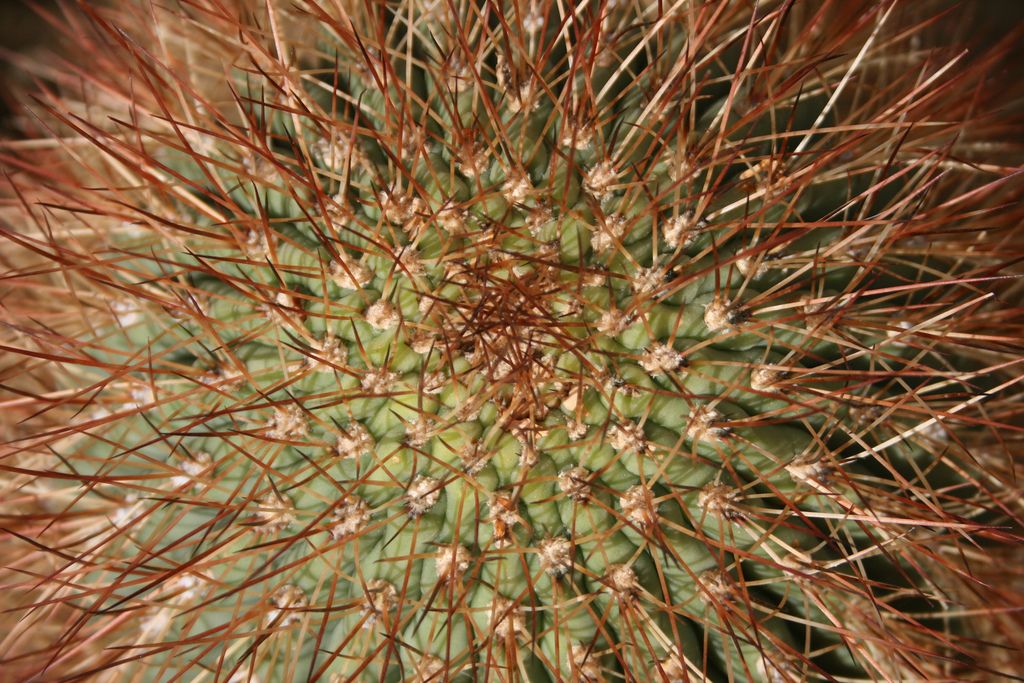
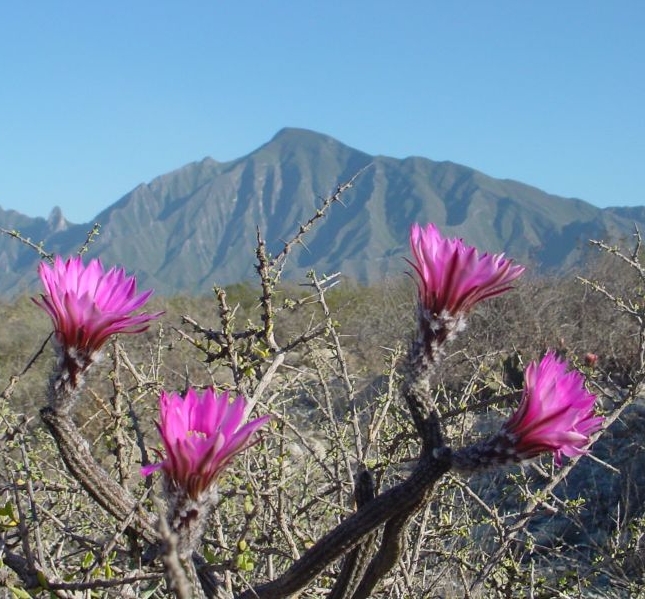
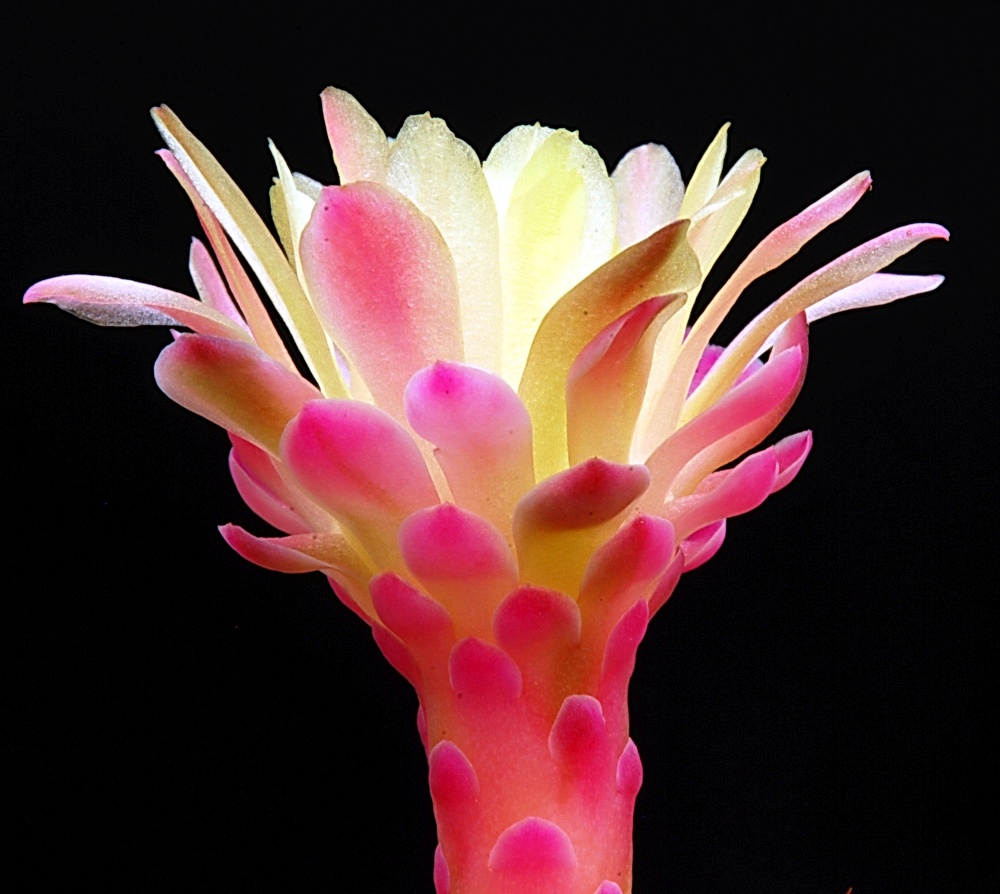
(Photograph = Echniopsis pachanoi, Michael Whitehead)
Introduction
Big white cactus flowers look like small moons—broad, luminous, and briefly perfect. Many open at dusk, pour out perfume through the night, and fold by morning. The group is a who’s who of showy bloomers: columnar Cereus and Carnegiea, night-blooming Selenicereus and Epiphyllum, desert ghosts like Peniocereus greggii, and large-flowered Echinopsis that flare white even when the genus is better known for color. The appeal is part spectacle, part timing: one evening, one window, one extraordinary display.
The Details
Why white, why night. In low light, white petals reflect best, and scent carries farther. Hawkmoths and, in some regions, nectar-feeding bats track those signals. The flowers answer with long tubes, wide throats, and generous nectar. Stamens form a loose, brushing ring; a many-lobed stigma stands where it can touch a moth’s face or a bat’s fur.
Pollination syndrome, in brief. Botanists use “pollination syndrome” to describe recurring sets of floral traits that match particular pollinators.
-
Hawkmoth syndrome: night opening; white or cream flowers; sweet perfume; deep, narrow tubes that fit long tongues; plenty of nectar; hovering access rather than a landing platform.
-
Bat syndrome: night opening; pale, conspicuous flowers; stronger, sometimes musky scent; sturdy, open architecture that tolerates contact; copious nectar presented where a bat can reach it on the wing.
Big white cactus flowers fit these patterns cleanly, which is why their timing and design feel so consistent across distant genera.
The usual suspects. Tall, ribbed Cereus open armful-sized blooms along their flanks. Carnegiea gigantea (saguaro) flowers are heavy, cream-white cups that open at night and linger into morning. Selenicereus and Epiphyllum—the classic “queen of the night” types—unfurl satin funnels almost too big for the stems that hold them. Peniocereus greggii hides for most of the year as gray sticks, then surprises with starry, fragrant flowers that draw crowds of hawkmoths. Several Echinopsis species and hybrids add stout, white trumpets that light up at dusk.
Tells and timing. Buds swell and angle upward, bracts loosen, and the outer tepals show a pale seam by late afternoon. Opening starts near sunset, reaches full spread in the evening, and, unless it is cool or cloudy, begins to close around dawn. On still nights, you can hear the visitors—moths whirring past your ear—or catch a quick shadow of a bat at the edge of a streetlight.
Design, repeated. Look closely and the pattern is consistent: pale perianth for visibility, a deep tube to match long tongues or snouts, and sturdy filaments that flex rather than snap. Anthers dust visitors as they feed; the stigma, set just forward, collects pollen as the animal backs out. The bloom is big, but the mechanics are precise.
What follows. By midmorning, most white flowers are already collapsing, their work finished. Successful flowers set plump fruit—spiny or smooth, depending on the genus—that ripen weeks later and feed birds, rodents, and, occasionally, people. Spent blooms twist, dry, and fall, leaving faint scars that mark the season’s show.
The draw is obvious: in a landscape of armor and angles, these flowers are sudden generosity—brief, bright, and unforgettable.
Additional Reading: Candy Barrel Cactus