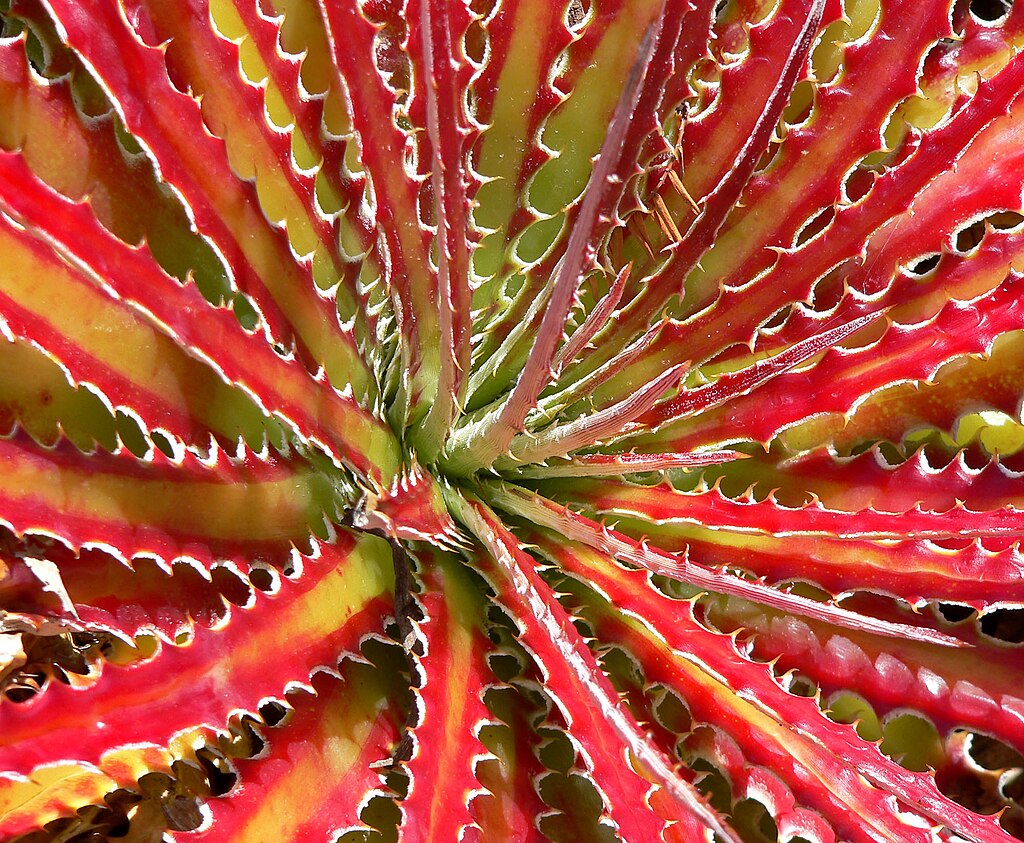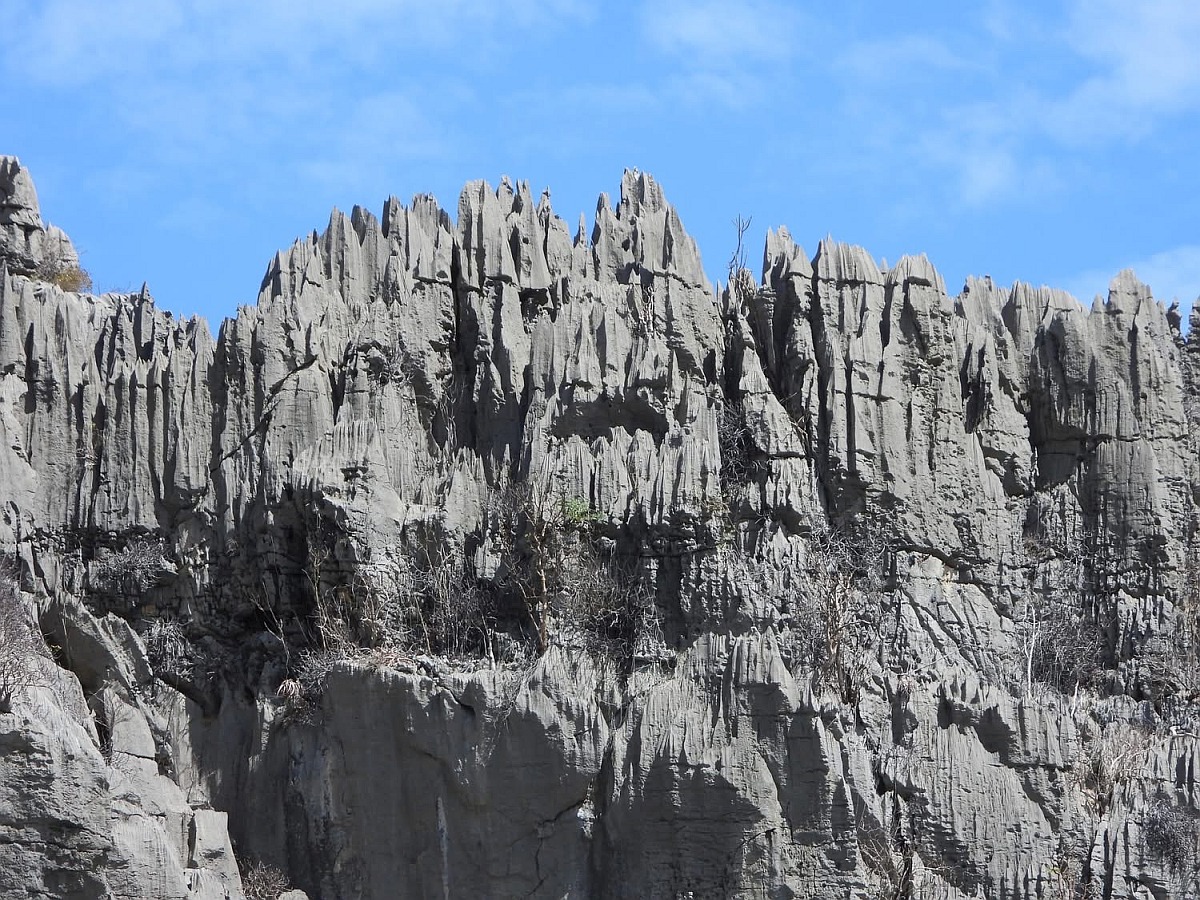
(Picture = Adansonia gregori)
Introduction
Caudiciforms—often called “fat plants”—are a broad, informal group that spans many plant families. What unites them is a swollen caudex (a thickened stem base, hypocotyl, or root crown) that stores water, starch, or both. Because that storage organ must carry a plant through lean seasons, it can grow to impressive size and odd shapes. Caudiciforms are similar to pachycauls, but they are usually defined by a distinct caudex rather than a uniformly thick trunk.
The Details
What counts as a caudex
In simple terms, the caudex is the plant’s storage tank. It can be mostly above ground, mostly below ground, or partly exposed. Some species make smooth, rounded structures; others form fissured, corky, or warty surfaces. Leaves and green stems do the photosynthesis when conditions are good, then, during drought or cold, many species drop those parts and ride out the season on reserves stored in the caudex.
Caudiciforms vs. pachycauls
Pachycauls are plants with very thick, water-holding trunks or stems (classic examples include the baobabs). Caudiciforms can overlap with that idea, but the emphasis is on a discrete, swollen base. In practice, the line is fuzzy: some species start life with a pronounced caudex and later grow a thick trunk; others always keep the “fat base + slender shoots” look. The point is function—storage and survival—more than strict shape.
Ecology and survival strategy
In dry or strongly seasonal climates, a big storage organ buffers the plant against long spells without rain. The caudex reduces the need for constant leaf area and helps the plant restart quickly when moisture returns. In rocky habitats, a compact caudex also anchors the plant and protects tissues that would otherwise be exposed. In a few species, cracks and hollows in the swollen base can harbor ants or other small animals; their presence may incidentally discourage herbivores.
Care and cultivation basics
In pots, drainage matters most. Use a gritty mix, water deeply but infrequently, and let the mix dry between waterings. During dormancy, reduce water sharply; the caudex should stay firm, not mushy. Many growers keep young plants slightly buried for faster thickening, then gradually lift the caudex to show it off once it enlarges. Bright light is generally helpful, but strong sun can scorch tender new growth—acclimate plants as seasons change. Growth is slow by design; patience is part of the appeal.
Examples you may recognize
Well-known caudiciforms include Fockea edulis with a corky, rounded base and vining shoots, and several Adansonia species that blur the line with pachycauls by building massive, water-rich trunks. Hobbyists often group compact, spherical stem succulents such as Euphorbia obesa with the “fat plants,” even though the swollen part is the stem rather than a distinct caudex. Across collections and gardens, these plants share the same theme: store first, grow when it’s safe.
Collecting notes
Because the most striking shapes take years to form, mature caudiciforms are prized. Seed-grown plants are best for conservation and adapt well to home conditions. When you evaluate a plant, look for a firm caudex, healthy feeder roots, and new growth that matches the species’ season—flushes in the “on” season, rest in the “off” season. With steady, seasonal care, even a modest seedling can turn into a character plant that tells its own survival story.


Additional Reading: Fat Plants