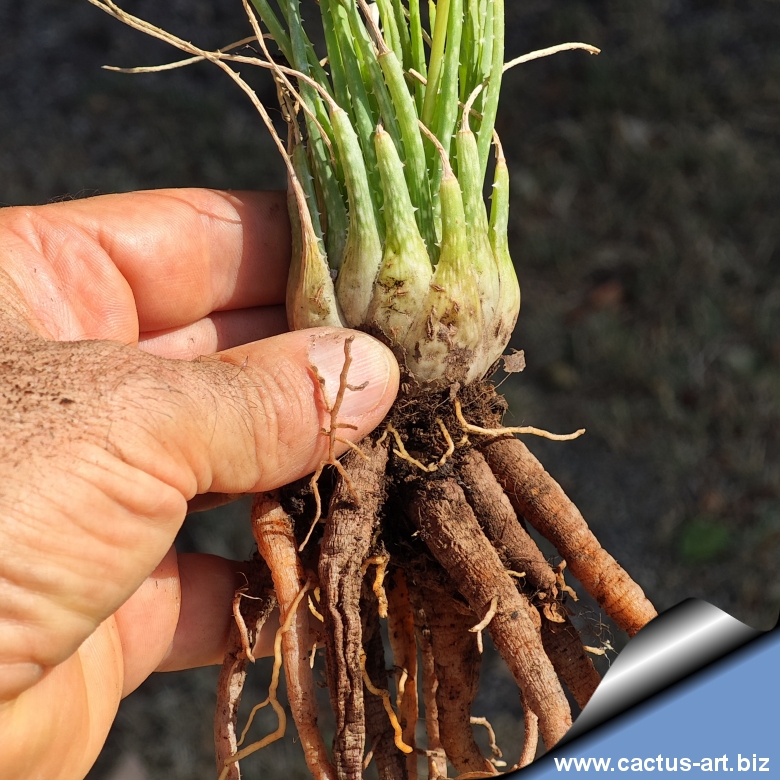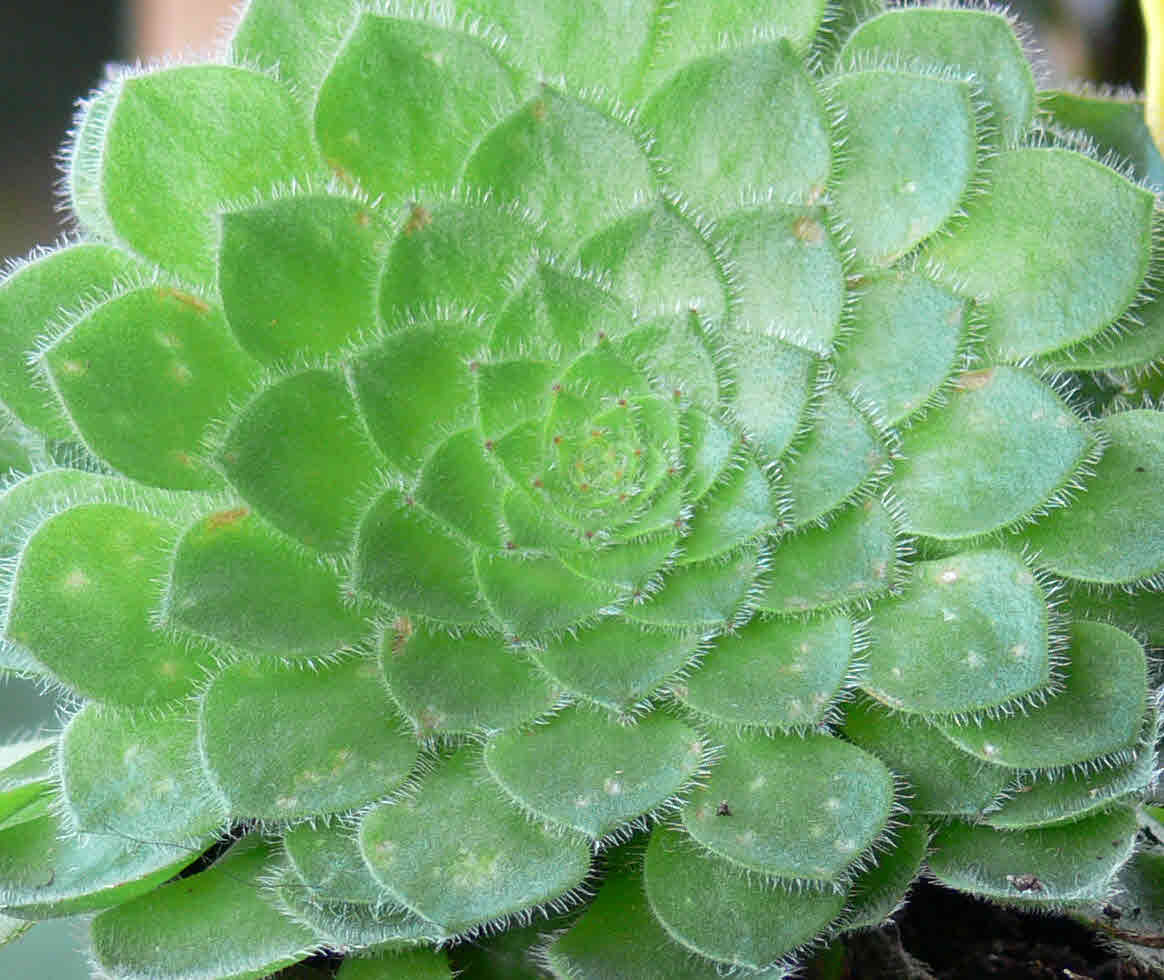
Photograph, Aeonium tabuliforme, Peter Coleman)
Introduction
Rosette plants grow their leaves in a tight circle around a short stem, so the foliage reads as a low, symmetrical disk. The form shows up across many groups—think Sempervivum, Echeveria, Dudleya, Aloe, and Agave—and it solves several problems at once. A rosette keeps the growing tip protected, sheds wind, and shades its own crown. After rain or dew, water drains toward the center and down the stem, while the outer leaves buffer heat, cold, and grit. In harsh places, a compact, ground-hugging shape is simply efficient.
The Details
A true rosette is built on short internodes; leaves radiate from nearly the same level, oldest on the outside, youngest near the center. That geometry matters. It reduces leverage in wind, keeps the plant’s profile below the hottest, driest air, and lets light reach many leaves without deep shade. In deserts and alpine zones alike, the arrangement creates a small, stable microclimate just above the soil.
Not all rosettes live the same way. Many Aloe and Haworthia species are polycarpic—a rosette can flower repeatedly over the years. Most Agave species are monocarpic—a rosette flowers once, sets seed, and dies—but often offsets beforehand so the clump persists. Sempervivum behaves similarly at the rosette level: each “hen” blooms and dies, while the “chicks” carry on. Some plants, like Lithops, are not classic rosettes, yet their paired leaves pack into similar, low clusters that function much the same way.
In the field, rosette plants tend to sort by microhabitat. You may walk a sandy flat and see nothing, then step onto a stony rise and find cushions tucked into every warm pocket with rapid runoff. Small changes in slope, grain size, or exposure make a big difference. Even within one genus, species can split the landscape—one favoring loose gravel, another preferring thin soil on rock shelves.
For gardeners, the appeal is clarity and pattern. Rosettes repeat beautifully along a path, anchor the front of a mixed bed, or sit as single, sculptural points in bowls and troughs. The form stays legible in every season: tight during drought, fresh after rain, and briefly exuberant when slender flower stalks lift above the symmetry. Clean skirts, good spacing, and a gritty top-dress keep the outline sharp and the crown dry. When offsets appear, you can divide and replant to carry the pattern forward.
However you meet them—in high desert, coastal cliffs, or a sunny window—the lesson is the same: the rosette is a simple design that works. It protects what matters, wastes little, and, with almost no effort, looks composed.