Introduction
Asclepiadaceae, traditionally known as the milkweed family, includes herbs, vines, shrubs, and striking succulents found across warm and temperate regions of the world. Although modern botanists often place it within the dogbane family (as the subfamily Asclepiadoideae), the group is easy to recognize by its milky latex, complex flowers, and silky-tufted seeds. Famous members include Asclepias (milkweeds), Calotropis, Gomphocarpus, Hoya, Ceropegia, and the carrion-flower succulents like Stapelia. Their blooms are not just pretty—they are mechanical puzzles that manage pollination with remarkable precision. Many species also play well-known roles in insect life cycles, including those of monarch butterflies.
The Details
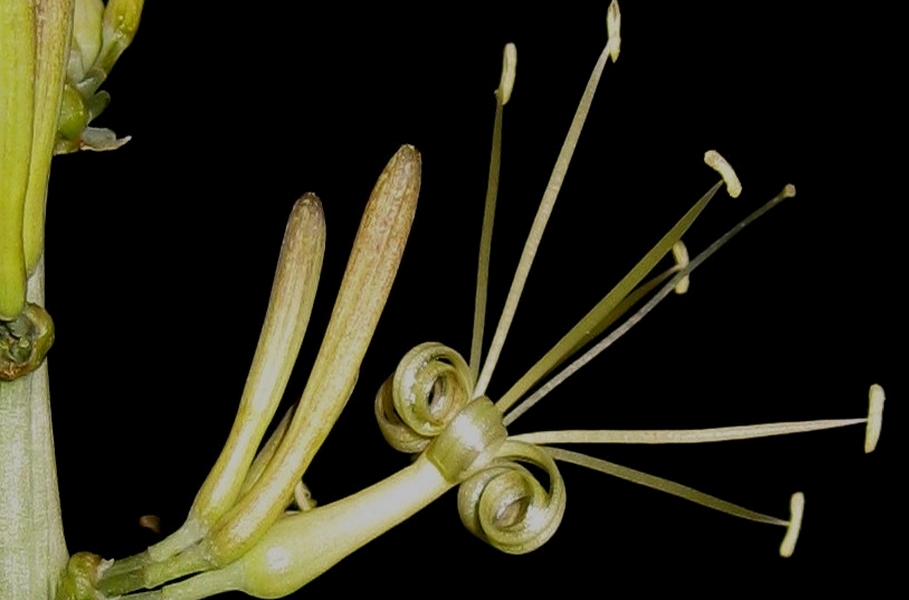
Milkweed flowers are built like little machines. Five petals reflex backward, while a crown-like “corona” sits above the stamens. In many species the corona forms hoods and horns that guide visiting insects. Instead of loose pollen, the grains are packed into paired sacs called pollinia. These pollinia are clipped together by a tiny dark hinge (the corpusculum) and two translators—like a miniature weightlifting bar. When a bee, wasp, or butterfly probes for nectar, a leg or mouthpart slips into a narrow groove, the clip snaps on, and the insect flies off wearing the pollinarium. At the next flower, the pollinia slot into a stigma slit and fertilization follows. It is one of the most intricate pollination systems in the plant world.
Fruits are usually pairs of slender pods called follicles. When mature, they split to release many flat seeds, each topped with a silky coma (a parachute-like tuft) that lets wind carry them away. This design spreads offspring across open fields, roadsides, dunes, and savannas—places where competition is low and sunshine is high. Underground, many species store energy in thickened roots or tubers, allowing them to resprout after drought, frost, or fire.
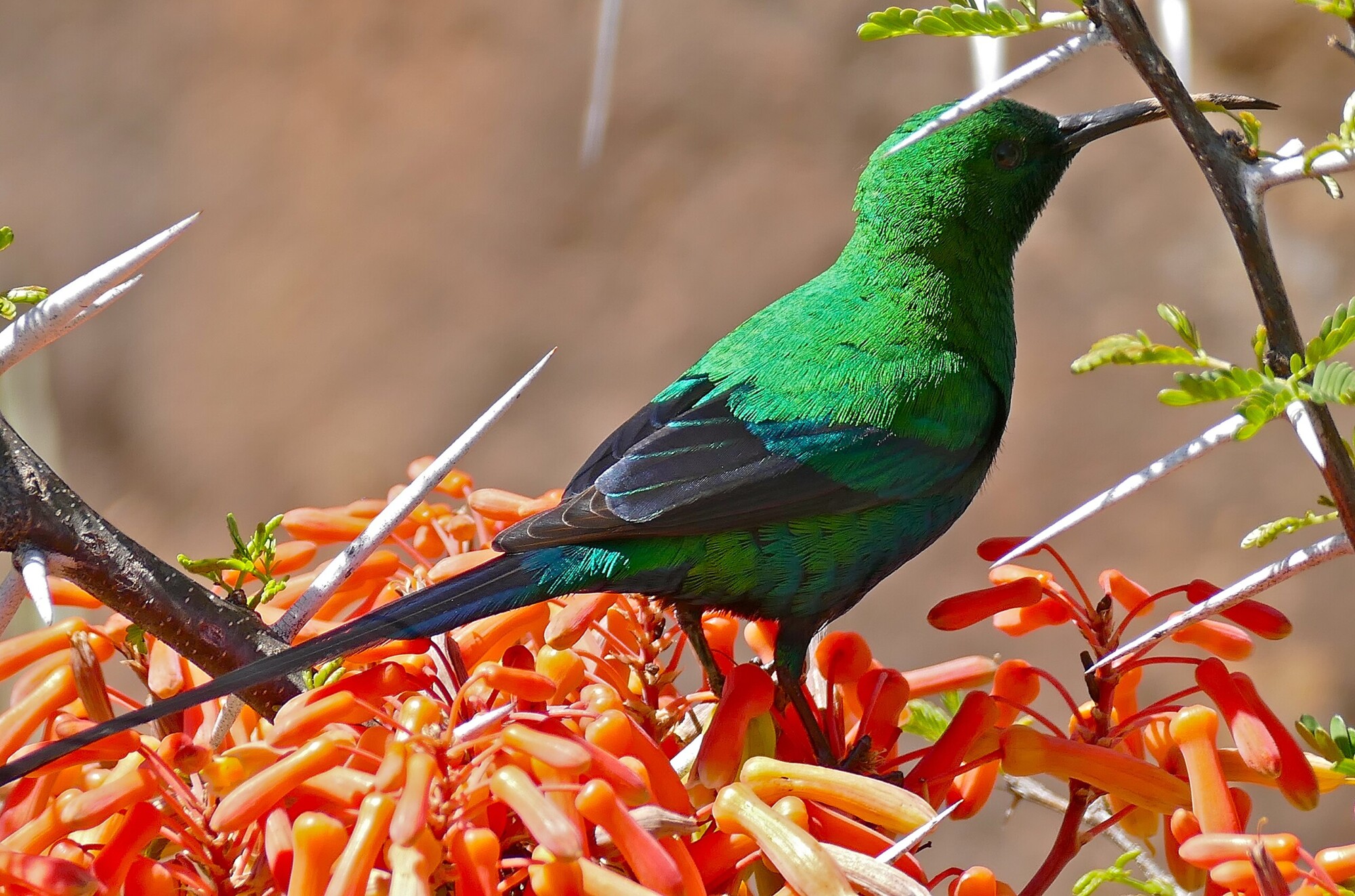
Latex runs through the tissues and contains bitter chemicals, often cardenolides. These compounds can be toxic to vertebrates, yet they also power famous ecological stories. Monarch butterfly caterpillars feed on milkweeds, tolerate the chemicals, and store them in their bodies. As adults, monarchs remain distasteful to predators—a defense borrowed from the plants. Other insects specialize on the family too: milkweed bugs, leaf beetles, and silky ants exploit the seeds or nectar, while many bees use the abundant pollen and energy-rich nectar.
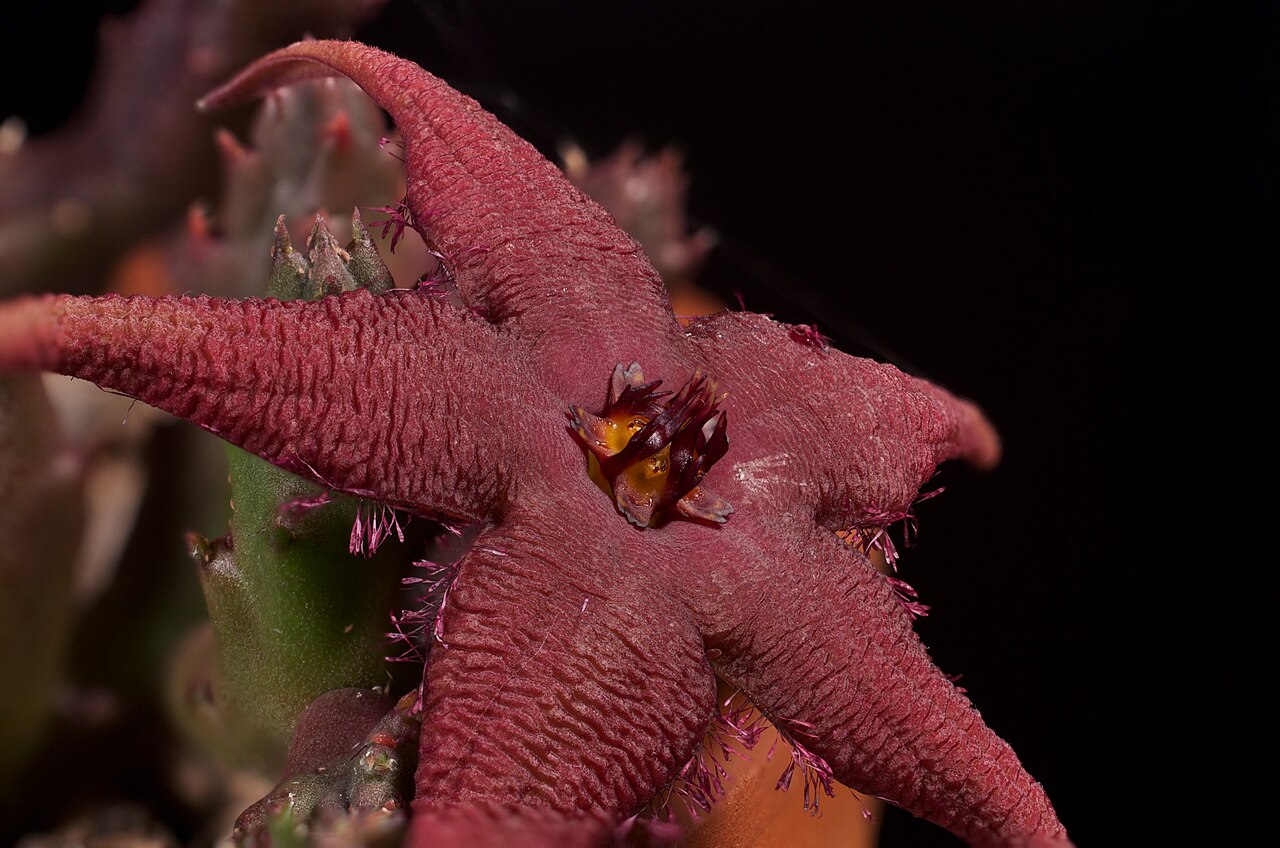
Form and lifestyle vary widely. Asclepias species are mostly upright herbs of North America’s prairies and deserts. Calotropis and Gomphocarpus can be shrubby, with inflated pods that look like green balloons. Hoya and Dischidia are tropical vines with starry, waxy flowers that often bloom at night and attract moths. In Africa and Arabia, the stapeliads—Stapelia, Huernia, and Orbea—are leafless succulents with angular, cactus-like stems. Their star-shaped flowers may smell like carrion to lure fly pollinators, complete with hairs and color patterns that mimic decaying flesh.
People have long noticed the practical and cultural value of these plants. Floss from milkweed seeds has been used as stuffing and flotation fiber; some species provide strong bast fibers for cordage. Names reflect this history: Asclepias honors Asclepius, the Greek figure associated with healing. Yet the family also faces modern pressures. Habitat conversion reduces wild populations, while the loss of diverse grasslands shrinks nectar corridors for insects. Understanding Asclepiadaceae means appreciating a family where mechanics, chemistry, and ecology interlock—flowers that engineer pollination, defenses that shape food webs, and seeds designed to ride the wind.
Additional Reading: Asclepiadaceae