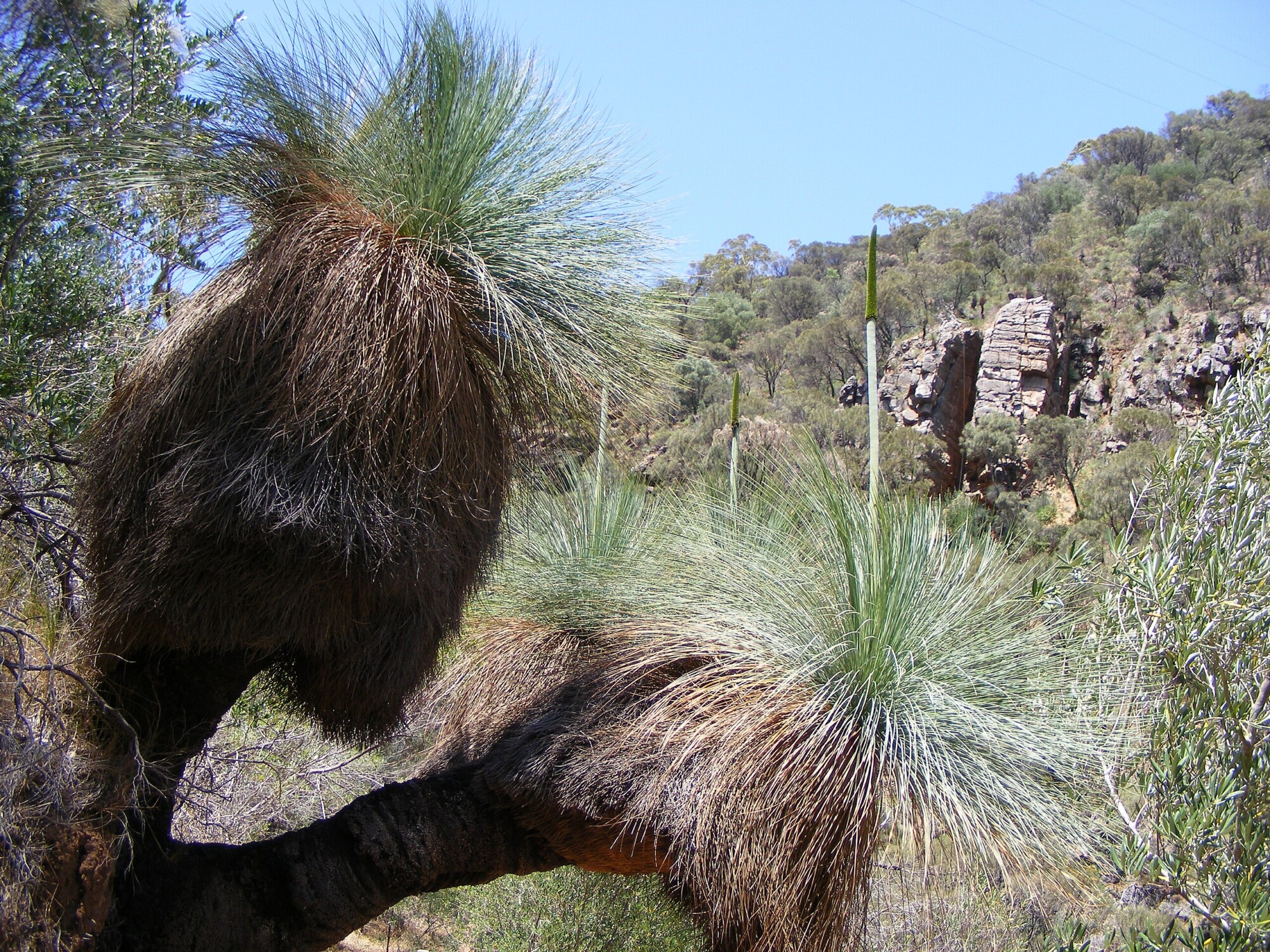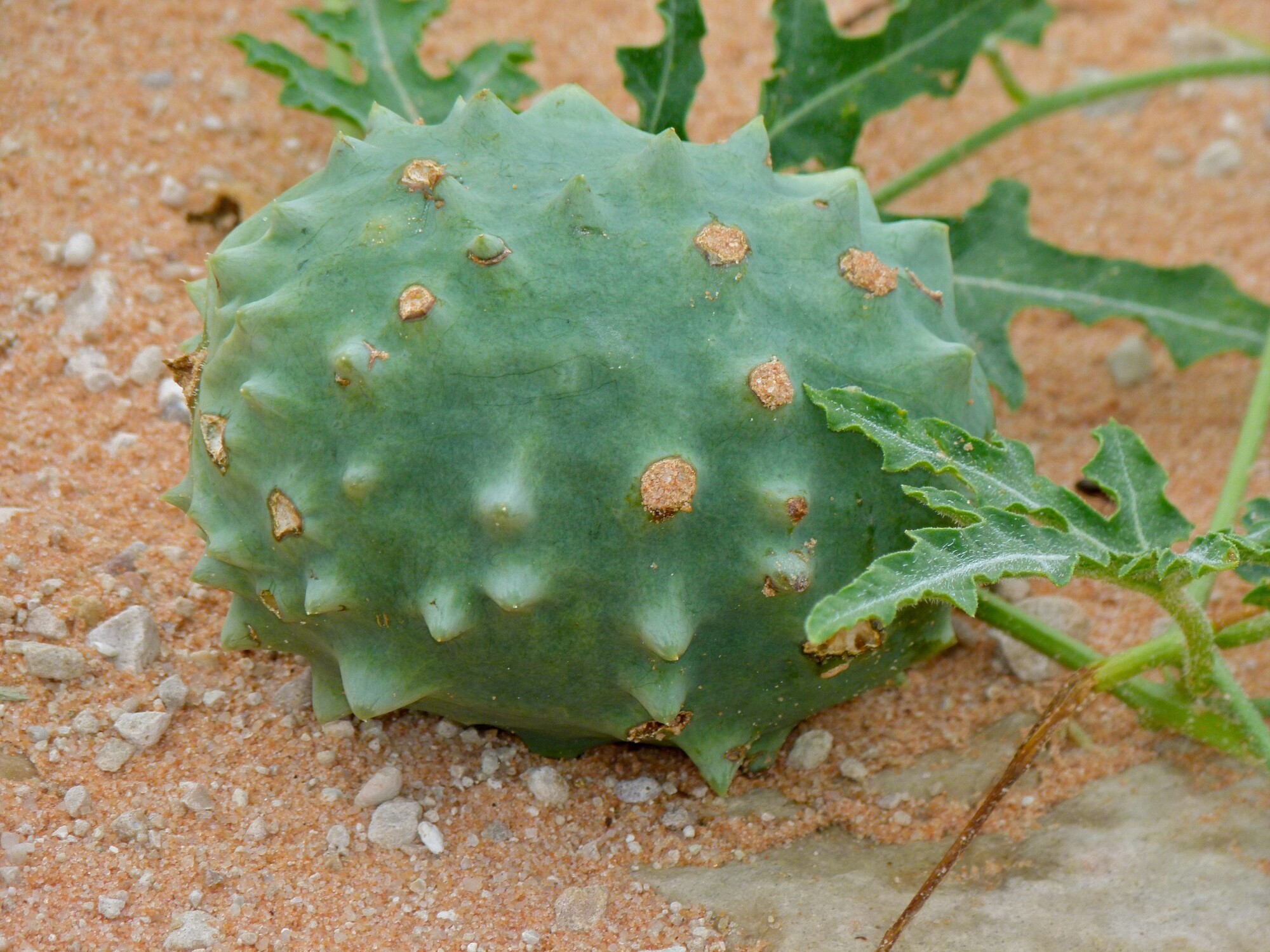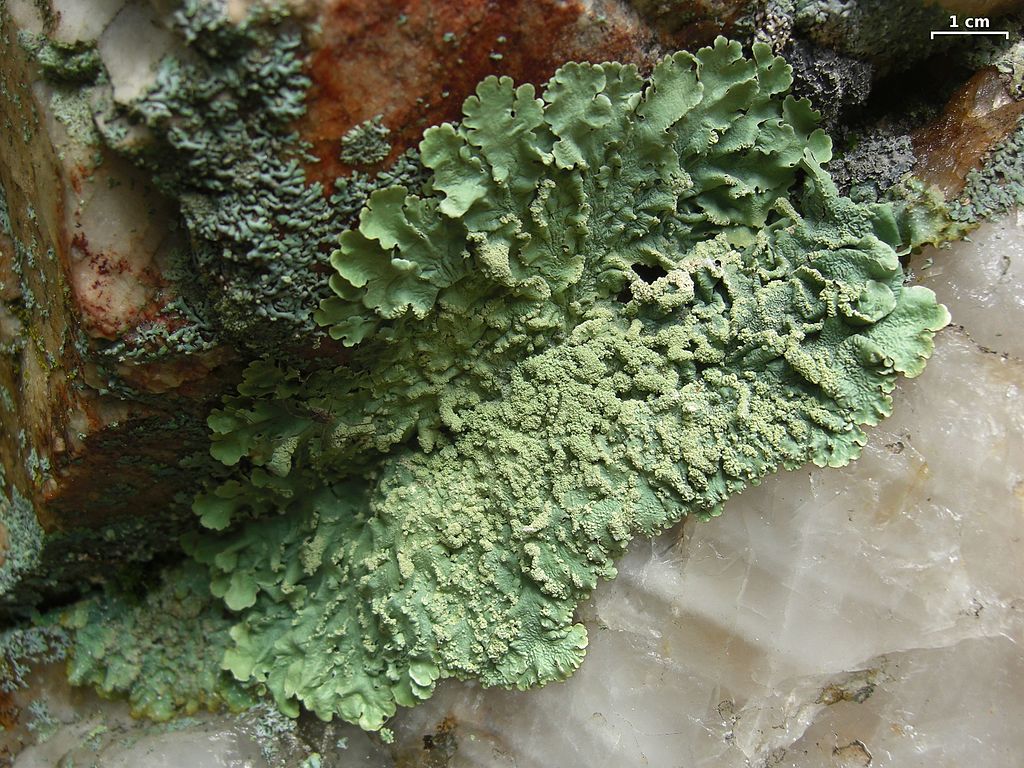
(Photograph = Three different species of desert lichens on rock)
Introduction
Lichens are partnerships between a fungus and a photosynthetic partner (usually a green alga, sometimes a cyanobacterium). The fungus builds the body and retains water; the algal or cyanobacterial partner makes sugars by photosynthesis that feed both.
The Details
Lichens generally thrive where moisture is available for at least part of the year—woodlands, meadows, even tundra. Desert lichens, however, are adapted to hot, dry, and windy sites, and many also endure freezing winters (for example, in the Great Basin). They are poikilohydric: when dry, they shut down metabolically; after dew or rain, they rehydrate and resume photosynthesis within minutes, often changing from gray to green.
Because conditions are harsh, desert lichens grow slowly and are typically very short, often only about 1 mm tall. Most are crustose or tightly attached to their substrate, forming colorful crusts on rocks and on soil. On plants, lichens live on bark or stems as epiphytes; they do not tap into plant tissues and are not parasitic.
On open sands and desert pavements, lichens commonly occur within biological soil crusts alongside mosses and cyanobacteria. These crusts bind loose surfaces, reduce erosion, and improve water infiltration—useful functions in sparse, drought-prone habitats.
Additional Reading: Lichens on Woody Plants