
Austrocactus, Photographer Unknown
Introduction
Austrocactus gracilis is a small Patagonian cactus with slender, spiny stems that clump in gravelly, windswept country. It’s tougher than it looks—built for cold nights, bright sun, and long dry spells—and often grows with a bit of shelter from grasses or low shrubs.
The Details
In habitat, plants root into coarse, fast-draining soils—pebble fans, volcanic gravels, and thin, stony slopes. A thickened rootstock stores reserves so the plant can sit tight through winter freezes and brief droughts, then push new growth when warmth and moisture return. Snow cover, when it comes, can act like insulation against hard cold.
Flowers are daytime-opening, funnel-shaped, and sized to the plant—modest but showy against the spines. Colors range from pale yellow to amber or light orange, sometimes with a warmer throat. Blooming follows the cool season, and flowers sit just above the armory of spines so visitors can reach the stigma and anthers. Small bees and other short-tongued insects are frequent visitors; they pick up pollen as they circle the floral cup.
Fruits are small and dry to slightly fleshy at maturity, splitting or weathering open to release many fine seeds. In open steppe, wind and runoff shift those seeds into cracks and the lee of stones, while litter under nearby bunchgrasses makes good germination pockets.
Field plants tend to keep a low profile—spines help with sun and herbivory, and stems often lean or half-bury in stony ground. In cultivation, use a gritty mix and bright light with good air movement. Water sparingly during cool weather, then more freely during a warm growing spell, letting the pot drain and dry in between. A cool, mostly dry winter rest helps preserve the rootstock and sets the plant up for spring flowers.
Additional Reading: Austrocactus Taxonomy


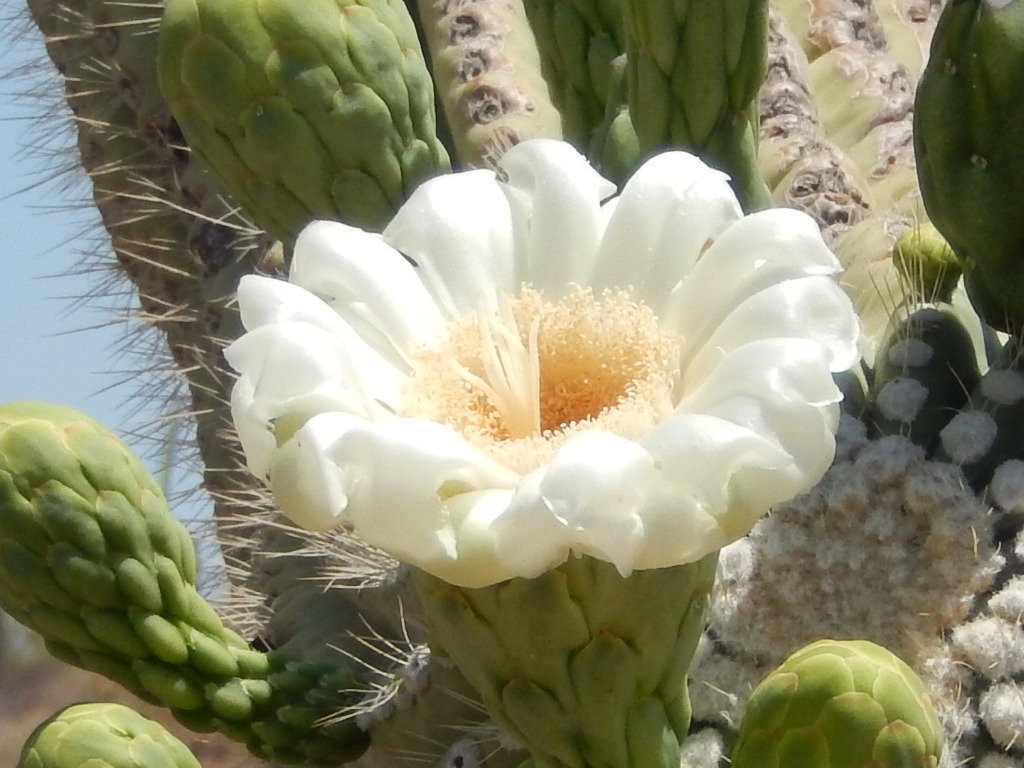


The pictures you show belong to Austrocactus longicarpus (described in KuaS 10/2014).
A. gracilis – a form of Austrocactus coxii – has always brilliant yellow flowers, sometimes with orange or brownish tinged petals. Flower form, fruit and seeds also differ.
Thanks for the beautiful pictures and best regards
Norbert
Thanks for the info Norbert. I’ll get around to fixing the text someday.
A. longicarpus has never been lumped into A. gracilis. The plants have been wrongly named.