Introduction
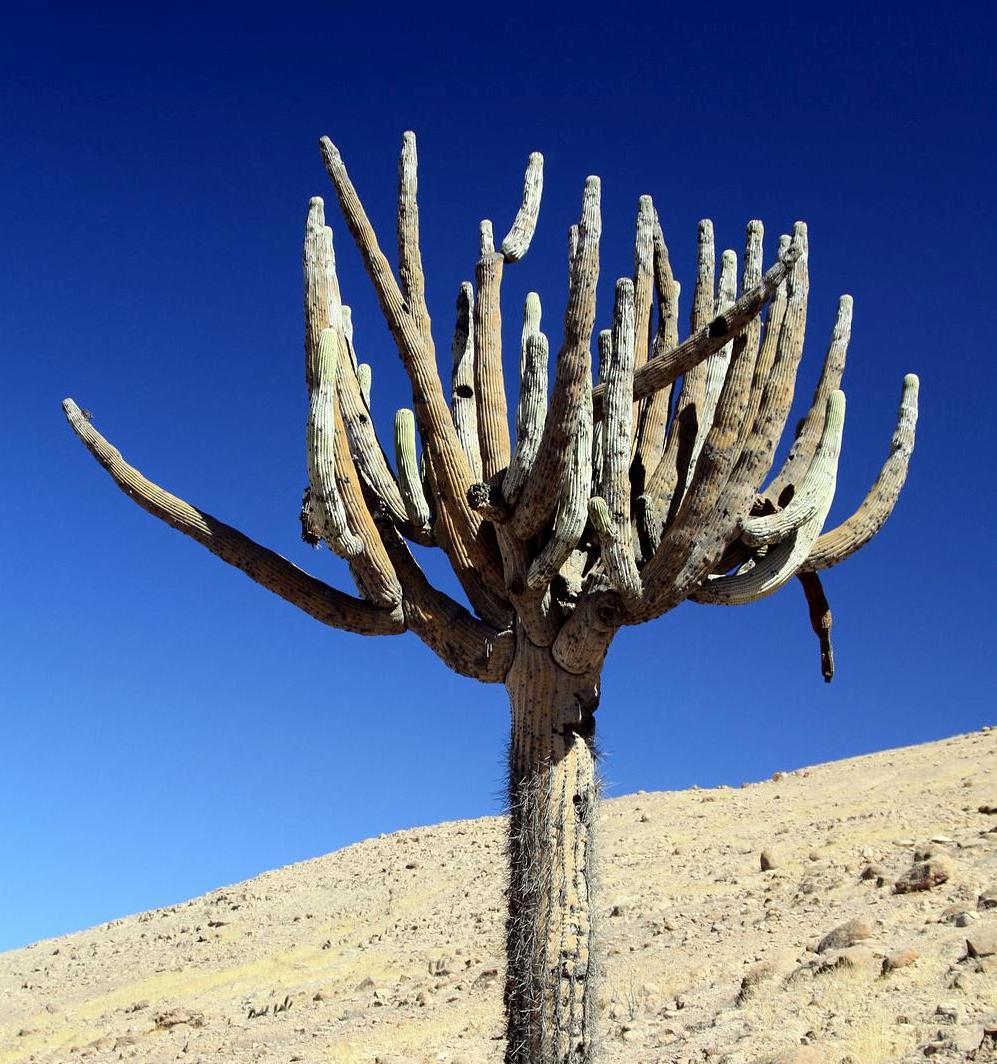
Browningia candelaris is a desert giant with a memorable profile: a heavy, solitary trunk carrying a tight crown of upright branches, together resembling a many-armed candelabrum. Endemic to the hyper-arid Andean foothills of southern Peru and northern Chile, it occupies sun-blasted, stony slopes where rain is rare, soils are thin, and day–night temperature swings are large. Plants grow slowly, maturing over decades, and many stands include venerable individuals that anchor sparse shrublands. The species is as much architecture as plant—its proportions, ribbing, and armament read clearly across long distances—yet a closer look reveals a life cycle finely tuned to altitude, cold nights, and episodic opportunities for reproduction and recruitment.
The Details
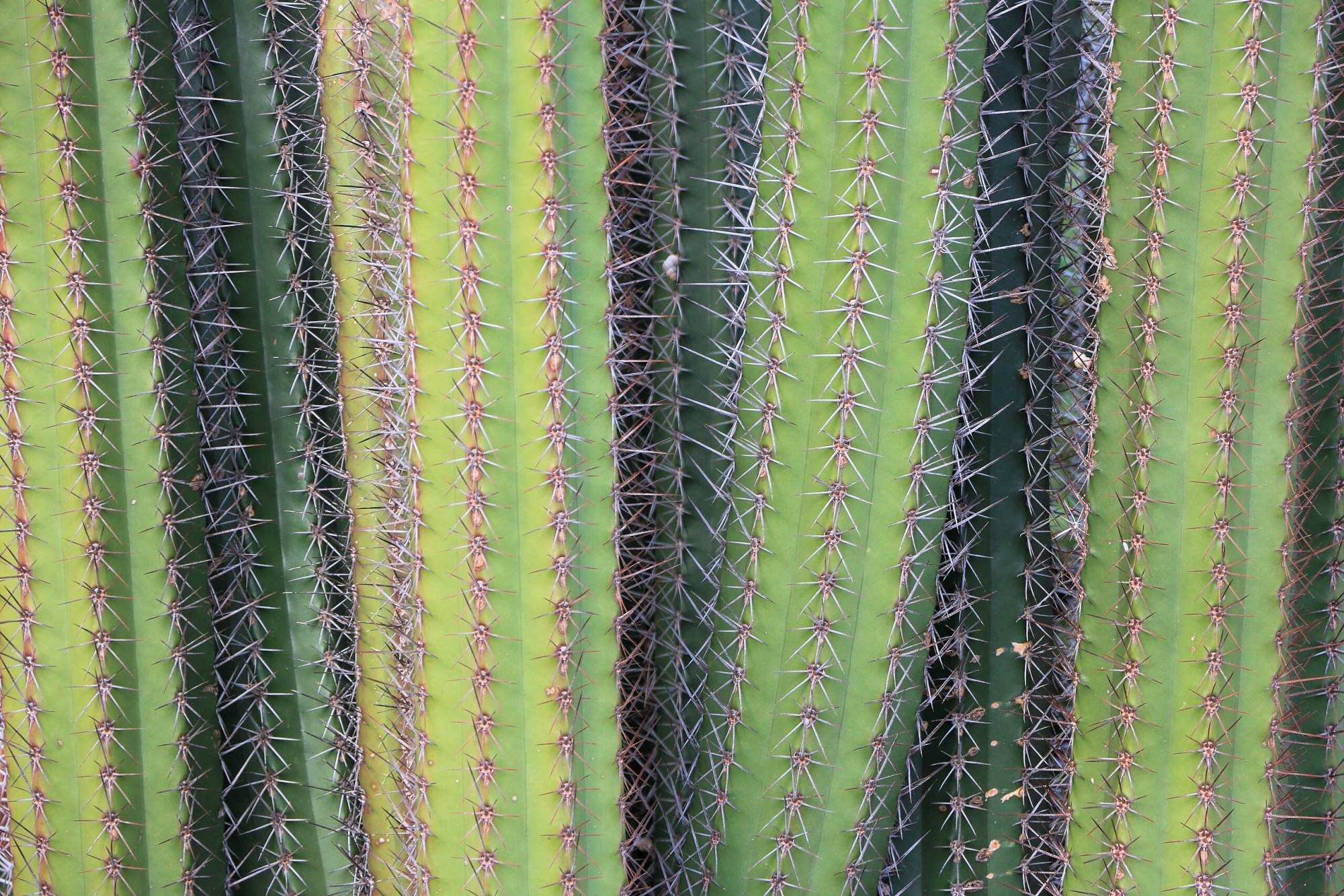
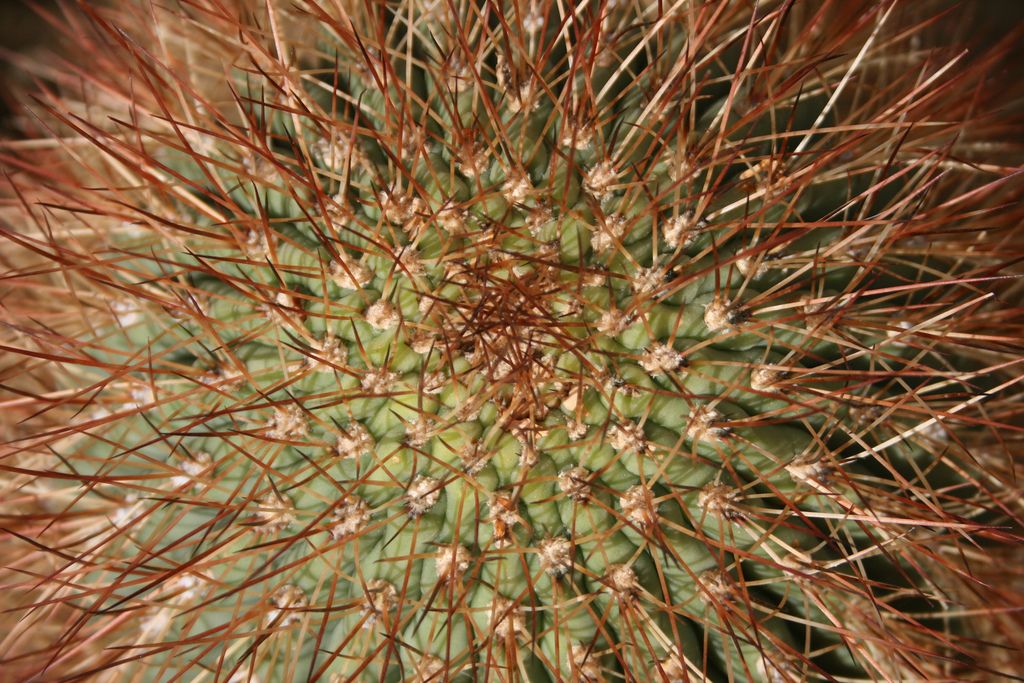
A mature B. candelaris typically presents a single, thick column several meters tall, deeply ribbed, and armored with dense, long spines along the lower bole. Above, the crown forms a compact cluster of narrower, erect branches that are more lightly armed. This contrast—heavily defended base, cleaner crown—is a useful field cue. Areoles sit in tight ranks on wide ribs, giving the trunk a regular, corrugated look. Old individuals develop imposing girth, while younger plants remain simple columns for many years before the crown appears.
The species grows on rocky, well-drained substrates between roughly mid- to high-elevation desert belts. Its roots explore fractures and coarse talus, taking advantage of rare infiltrating moisture and cold-season fog or dew. Seedlings are scarce in open ground and more often establish in protected microsites, such as the lee of stones or beneath hardy shrubs, where shade, trapped litter, and slight humidity moderate extremes. Because growth is slow, damage from trampling or browsing can set plants back for years.
Flowers are produced high in the crown. They are tubular and pale, suited to long-tongued visitors active at dusk or night, though daytime pollinators also contribute where they are abundant. The species benefits from cross-pollination, so the presence and behavior of local animal visitors influence fruit set. Fruits are fleshy and attractive to birds and mammals; dispersers carry seeds away from the parent and deposit them in small packets of organic matter, improving the odds that at least a few seedlings find safe footing.
Field identification hinges on architecture and armament. Look for a tall, solitary trunk, dense spines on the lower column, and a tighter, many-branched crown perched well above the ground. In contrast to some columnar cacti that branch from low on the stem, B. candelaris keeps its branching high, preserving a clean, tapering bole. In cultivation, it is challenging and very slow, preferring intense light, sharp mineral media, excellent air movement, and cautious watering. Warm days with cool nights suit it, but prolonged damp or heavy soils do not. Given time and restraint, a plant can reveal the same sculptural clarity seen in the wild, a living candelabrum shaped by altitude, cold air drainage, and desert light.
Additional Reading: Browningia