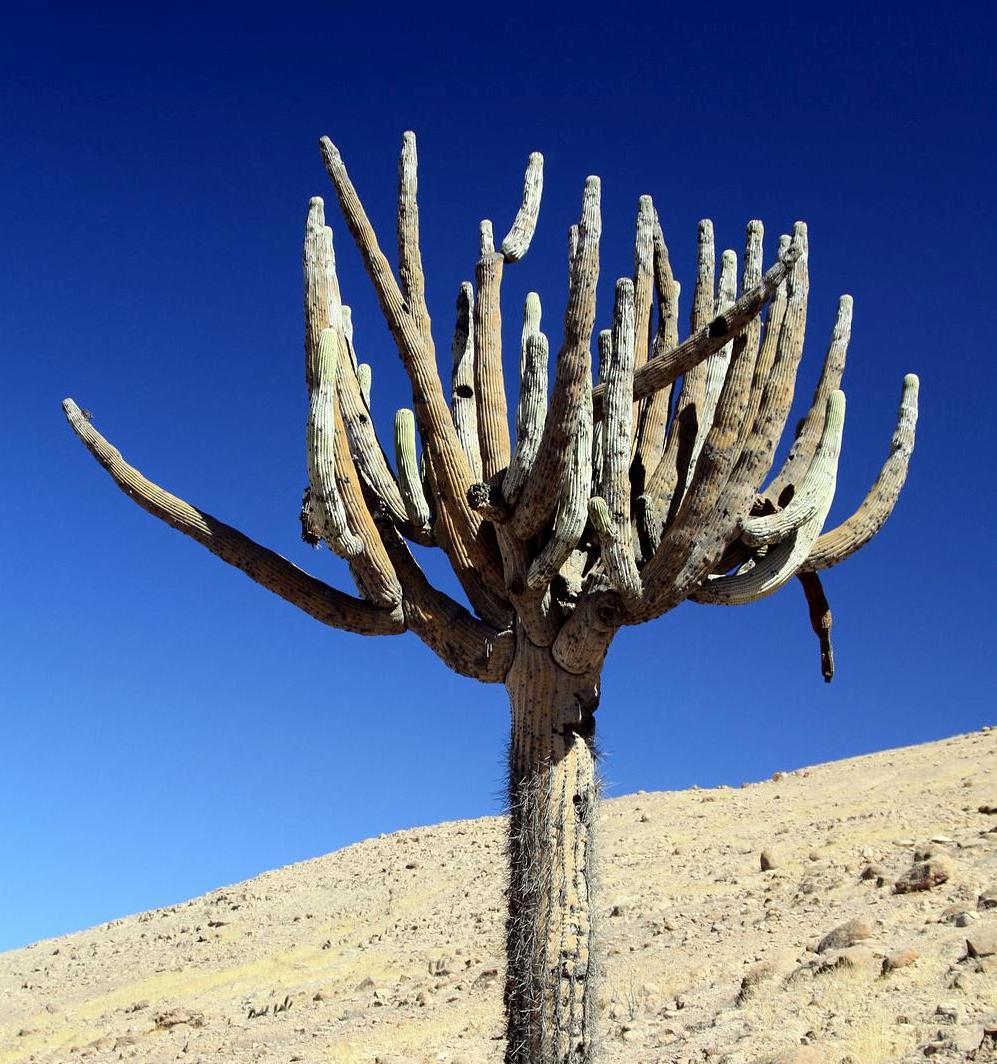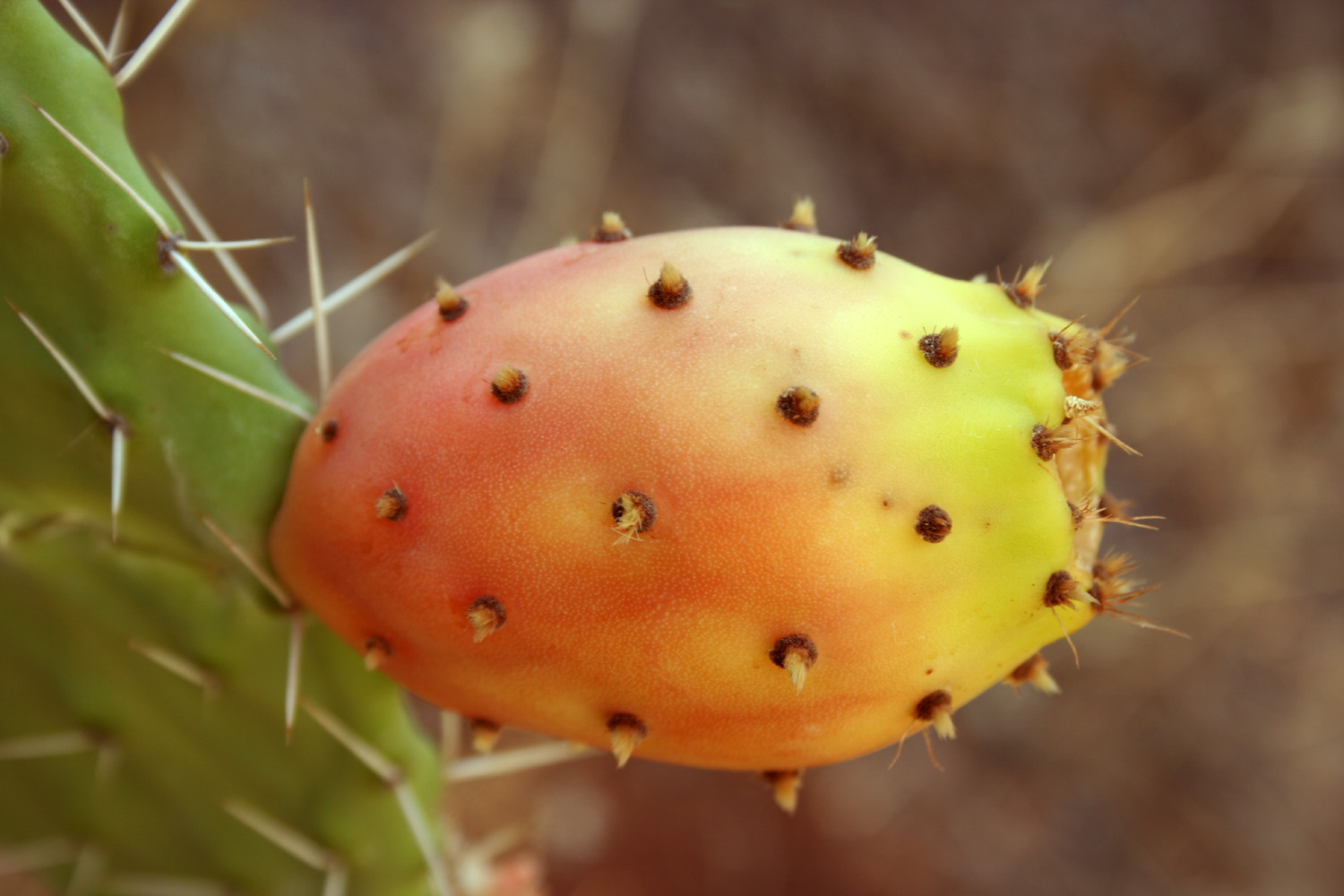
(Photograph = Opuntia ficus-indica fruit, Seweryn Olkowicz)
Introduction
Plants make a crowd of compounds that help us cope with everyday wear. Among the standouts are antioxidants—molecules that buffer routine damage and keep cells running smoothly. In cacti, those live alongside fiber, vitamins, and minerals, which together make a strong case for adding prickly-pear pads and fruits to the plate. On this site, we focus mainly on wild plants and their ecology, yet it’s worth saying plainly: some cacti are good food, and they have been for a very long time.
The Details
In practical terms, Opuntia ficus-indica (nopal) is the workhorse. Young pads—nopales—cook up mild and green-bean crisp; ripe fruits—tunas—taste berry-sweet with a gentle acidity. Together, they deliver soluble fiber, a bit of vitamin C, and useful minerals such as magnesium and potassium. The pads also carry plant mucilage—the same slick gel that helps the plant hold water—which slows sauces to a silky body and, in the stomach, helps tame sugar uptake. In everyday cooking, nopales play well with eggs, beans, tomatoes, onions, and chilies, adding substance without heavy calories.
For the antioxidant piece, think broadly. The same pigments and flavonoids that paint tunas red or purple ride along in the juice and pulp. You don’t need a lab to benefit; you just need regular, reasonable portions as part of a varied diet. In short, let nopal join the rotation. It brings fiber, water, and a fresh, green flavor—already a win.
At home, a few basics help. After trimming pad edges, scrape or shave off spine bases, then rinse well. For a quick sauté, slice into thin strips, salt lightly, and cook over medium heat until the gel turns glossy and the color deepens. For salads, blanch briefly, then rinse and chill. With fruits, glove up, singe or rub off glochids, peel, and cube—or purée and strain for agua fresca, sorbet, or a bright pan sauce for grilled meats. If you’re new to the texture, start small and work up; most people adjust in a meal or two.
For field collectors, one caution bears repeating. Not every cactus is edible, and not every site is legal or clean. If you don’t know the species, or if the plant grows along busy roads or sprayed fencerows, skip it. When in doubt, buy from a grocer or market that brings in nopales and tunas regularly. Your kitchen will be happier, and the landscape will thank you.
In day-to-day life, food is as much habit as it is chemistry. With prickly pears, you get both—a traditional ingredient that fits neatly into modern meals, and a plant that offers water, fiber, and a helpful mix of micronutrients. Start with a skillet, a little oil, and a handful of sliced pads; from there, let curiosity lead.
Additional Reading: Kaempferol and Quercitrin
Additional Reading: Opuntia Benefits in Chronic Diseases