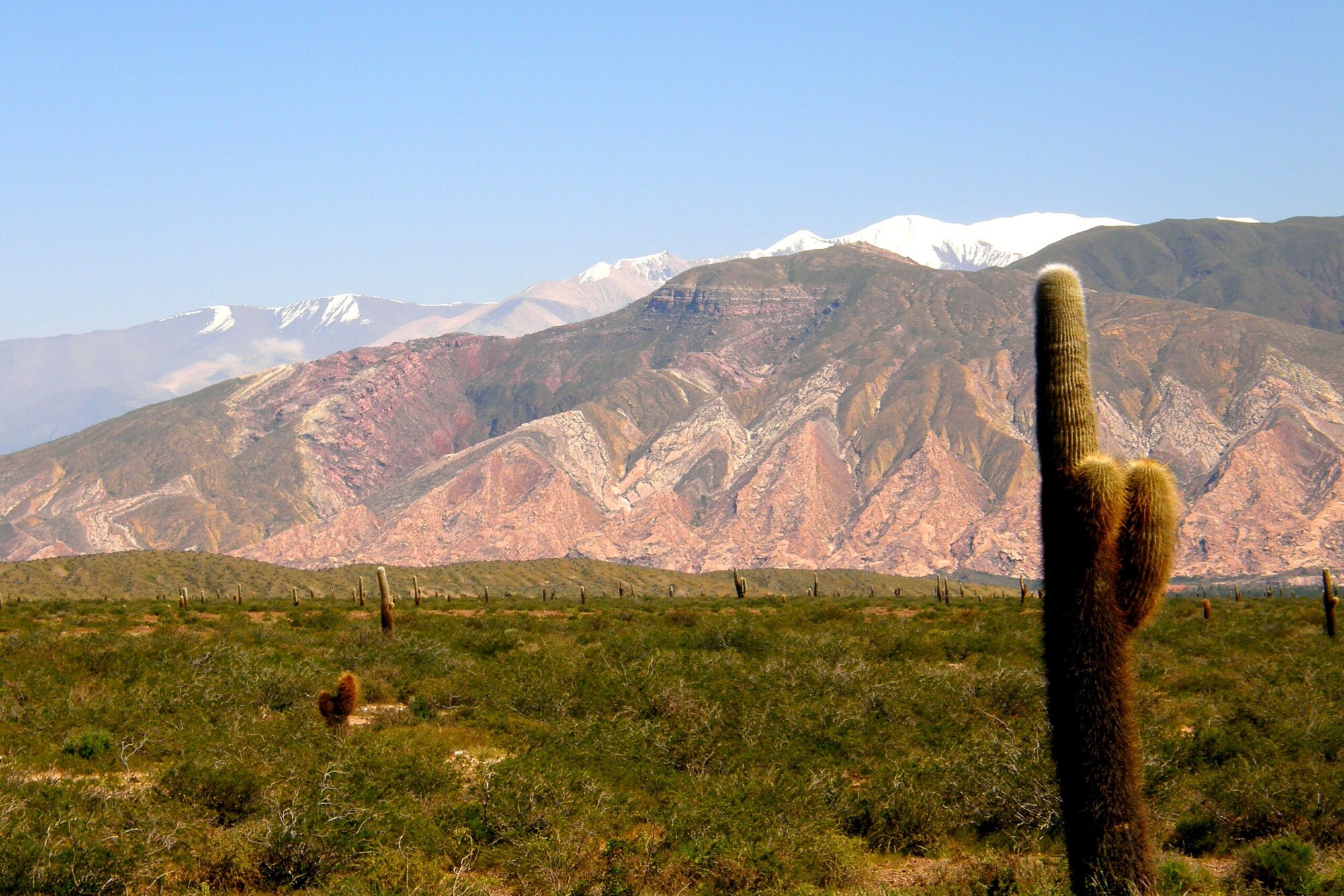
(Photo = Parc National los cardones, Bachelot Pierre J-P)
Introduction
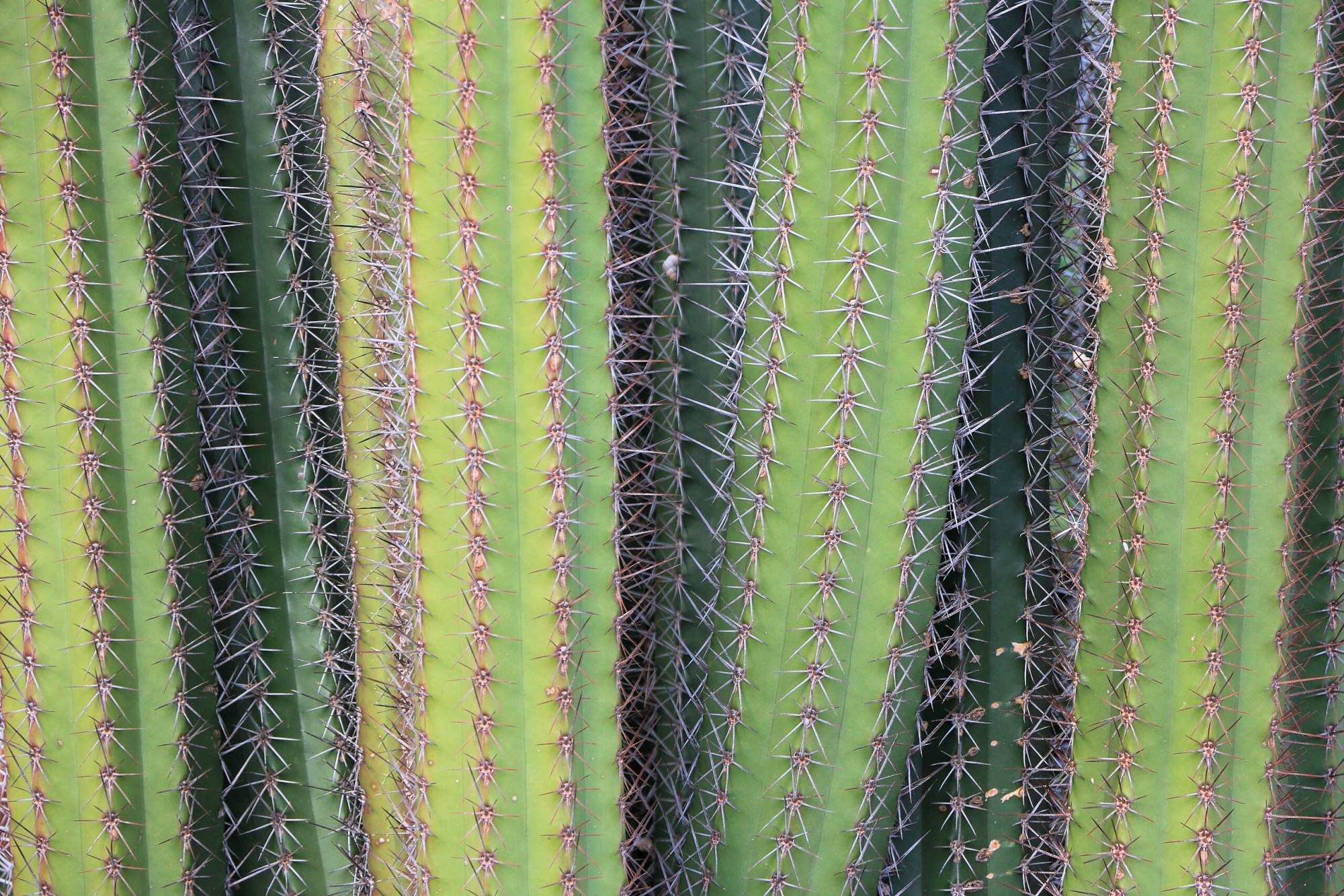
In Argentina, cacti occupy the Monte desert, the Chaco, and high Andean puna, where low rainfall, high irradiance, and temperature swings shape plant form and function. Most species use CAM photosynthesis, opening stomata at night to limit water loss and storing CO₂ as malate for daytime fixation. Ribs and tubercles let stems expand after brief rains, while thick cuticles, dense spines, and wool reduce boundary‐layer conductance and UV exposure. Shallow, wide root systems rapidly absorb pulsed moisture; many species also invest in cortical water storage and mucilage to buffer drought. Recruitment is strongly tied to “nurse” cover—seedlings establish under shrubs that moderate temperature, increase soil organic matter, and reduce herbivory.
The Details
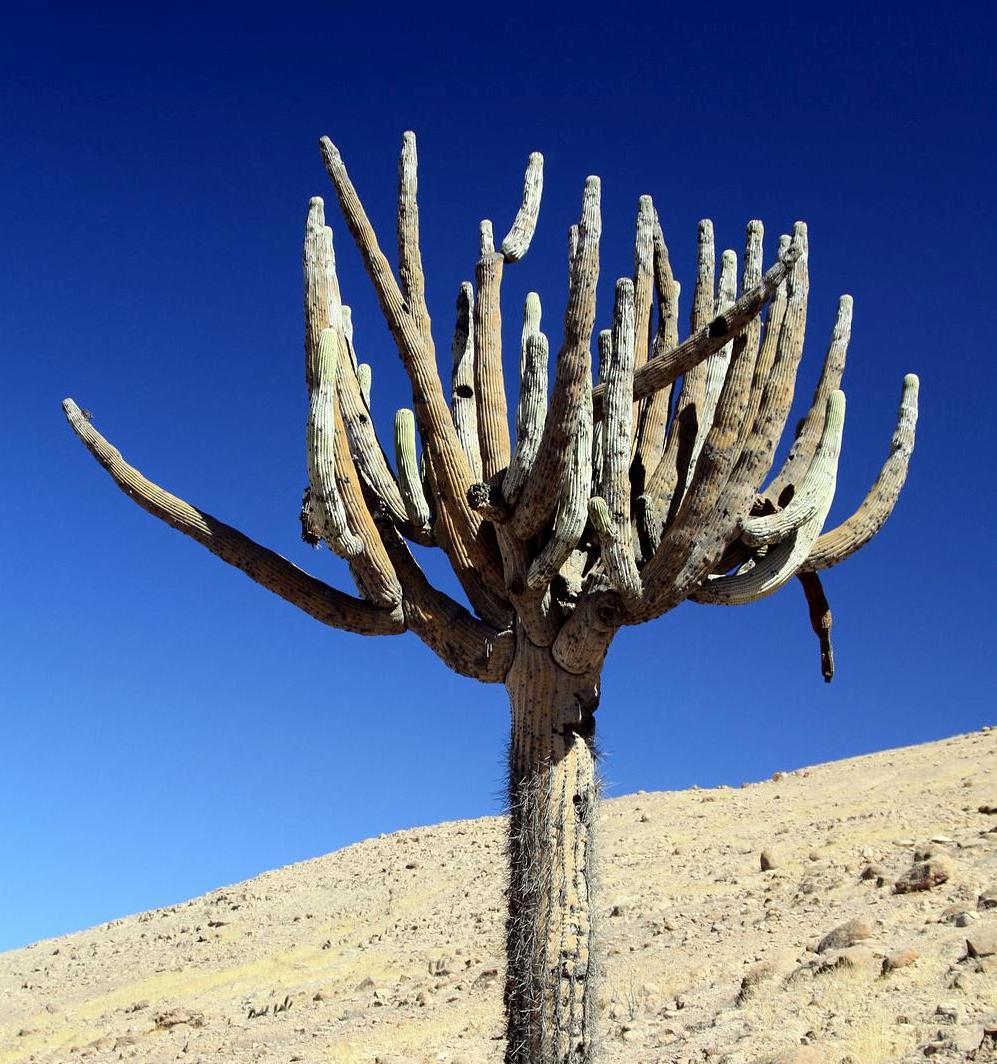
In the northwest and central ranges, columnar Echinopsis sensu lato form tall, ribbed stems that balance hydraulic safety with photosynthetic tissue. Large flowers—often crepuscular or nocturnal—support hawkmoth pollination; diurnal, bee-visited species are common as well. In rocky soils, small globose genera such as Gymnocalycium and Parodia stay near ground level, where convective heat loss is higher and wind exposure is lower. Their rib geometry permits rapid swelling without tearing the epidermis after short storms.
Opuntioids illustrate contrasting strategies. In the Chaco and Monte, Opuntia species use cladodes with areoles bearing spines and glochids; many show extrafloral nectar that attracts ants, which can deter herbivores. In western basins, Tephrocactus produces articulated segments that readily detach and root, coupling clonal spread with sexual reproduction to hedge against variable seed years. Farther south and at elevation, Maihuenia and Maihueniopsis form low cushions with small, tough leaves (in Maihuenia) and compact stems that minimize frost damage and desiccation.
Reproductive ecology is shaped by animals and climate. Fleshy fruits feed birds and small mammals that disperse seeds between shrub islands. Seed dormancy is often broken by temperature cycles, light, and mild scarification in alluvial sands. After disturbance, establishment improves where nurse shrubs like Larrea or Prosopis persist, while heavy grazing and frequent fire suppress recruitment. For conservation and horticulture, priorities are simple but specific: protect nurse plants, prevent wild collection, maintain sharp drainage, and allow full sun with cold-air drainage for puna taxa. In each ecoregion, these physiological and life-history traits explain where Argentine cacti occur—and why they persist.
Additional Reading: Differentiation diversity of Argentine cacti