Introduction
Cactoideae and Opuntioideae are the two principal subfamilies of Cactaceae (alongside the smaller Pereskioideae). All cacti share defining traits—areoles, CAM photosynthesis, betalain pigments, and inferior ovaries—but these subfamilies diverge markedly in stem architecture, presence of glochids, leaf persistence, and seed anatomy. Below, each group is outlined with diagnostic characters and examples to highlight their differences.
The Deails
Cactoideae
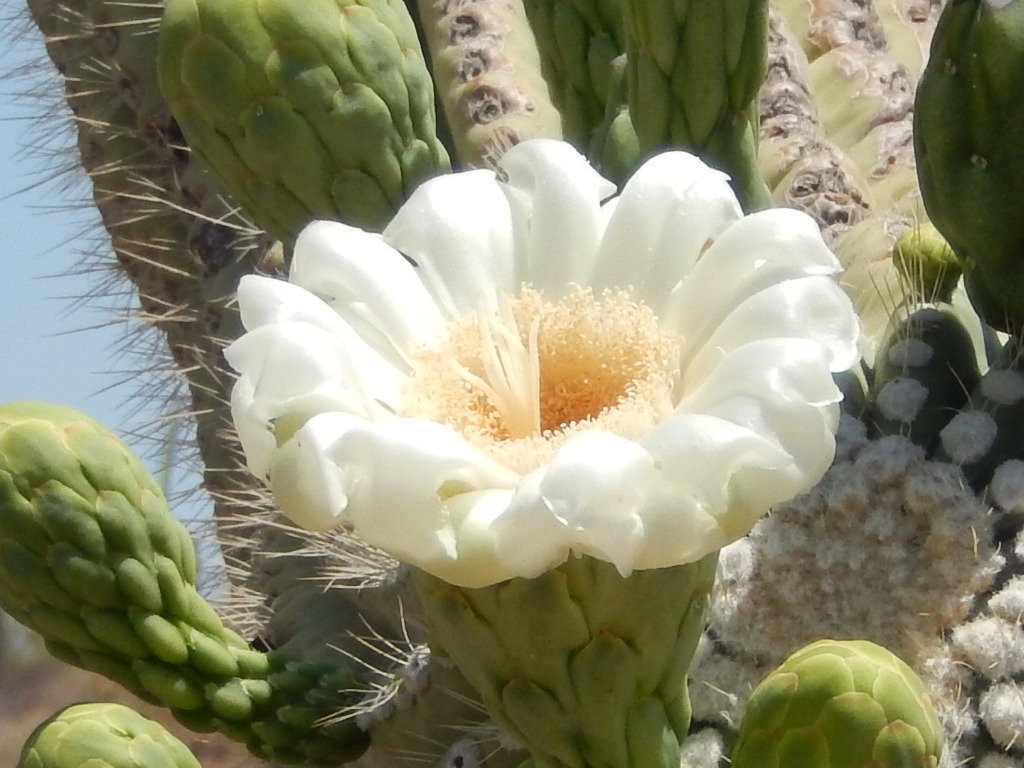
Members of Cactoideae encompass most “classic” cacti—columnar, globose, ribbed, or tuberculate—with unjointed stems and no glochids. Leaves are typically absent or minute, except in a few basal lineages within the subfamily. Floral diversity is high, ranging from night-blooming, bat- or moth-pollinated species to day-blooming, bee-visited forms.
-
Diagnostic traits: areoles lacking glochids; stems unjointed; leaves absent or vestigial on mature growth.
-
Flowers and fruit: showy, epigynous flowers; inferior ovary usually not areolate externally; fruits commonly berries (fleshy or dry).
-
Seeds: generally not lens-shaped; no thick, bony funicular aril.
-
Diversity and examples: columnar (Carnegiea, Pachycereus), globose (Ferocactus, Echinocactus), tuberculate (Mammillaria), and epiphytic (Rhipsalis, Epiphyllum).
-
Distribution: primarily the Americas; unique Old-World outpost via Rhipsalis baccifera.
Opuntioideae
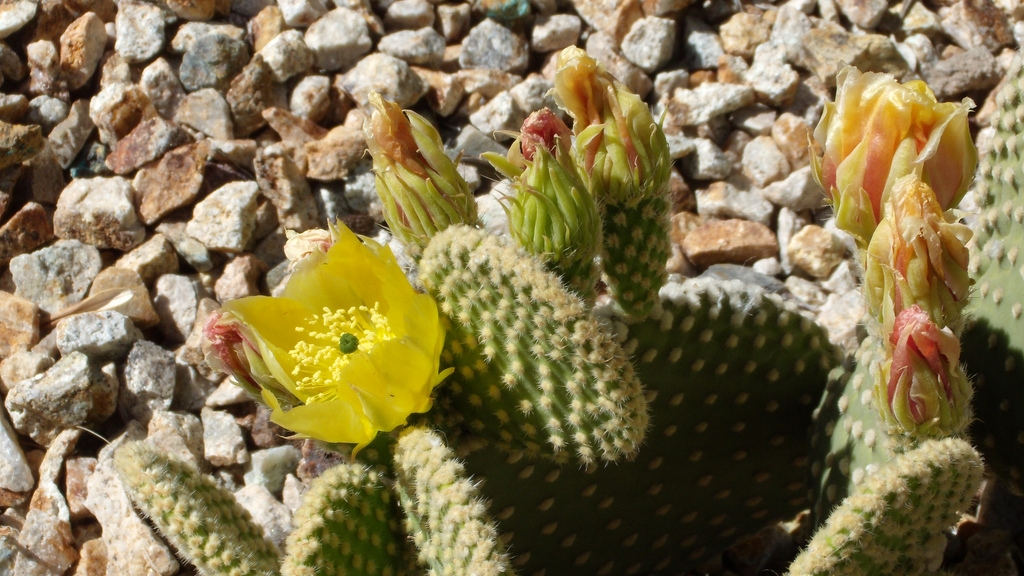
Opuntioideae comprises the opuntioid cacti—prickly pears, chollas, and allies—recognized by jointed stems and glochids, the minute, barbed bristles arising from areoles. Short-lived, small leaves are commonly present on new growth. Fruits and even ovaries often bear areoles with spines or glochids.
-
Diagnostic traits: areoles with glochids; stems segmented into pads or cylindrical joints; small, early-deciduous leaves.
-
Flowers and fruit: usually rotate to cup-shaped, diurnal flowers; inferior ovary commonly areolate and sometimes spiny; fruits often fleshy (tunas), sometimes spiny.
-
Seeds: distinctly compressed, lens-shaped seeds with a thick, bony funicular envelope.
-
Diversity and examples: Opuntia (prickly pears), Cylindropuntia (chollas), Consolea, Austrocylindropuntia, Tephrocactus, Grusonia.
-
Distribution: widespread from Canada to Patagonia and the Caribbean; abundant in open, seasonally dry habitats.