Coryphantha octacantha
Introduction
A neat, deliberate plant: tight tubercles, tidy areoles, and a small crown that adds a little more each season. In habitat, it sits low among stones and grass; in a pot, it stays composed if you give it bright light, fast drainage, and time between drinks.
The Details
Etymology. Coryphantha comes from Greek koryphē (summit) + anthos (flower): “flowers from the crown.”
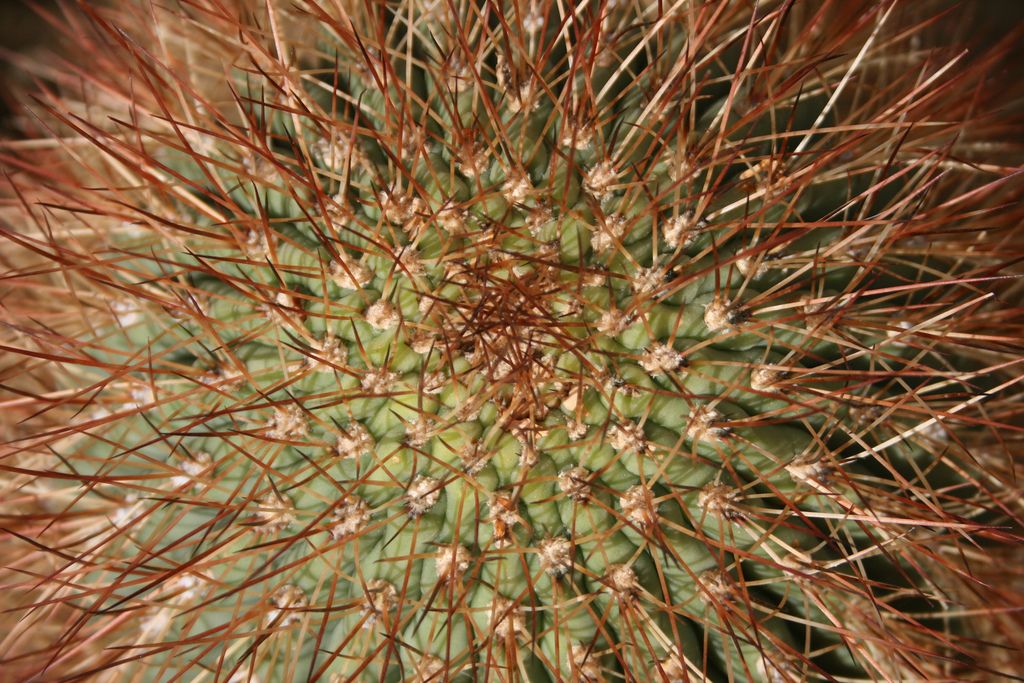
Form. Globose to short-columnar, no ribs. Firm, conical tubercles set in regular spirals. Each tubercle shows a groove toward the axil—classic Coryphantha.
Spines. Radials neat, centrals a bit more assertive. Fresh spines are lighter; older bands weather to deeper tones, so a plant can read two-colored from a few steps back.
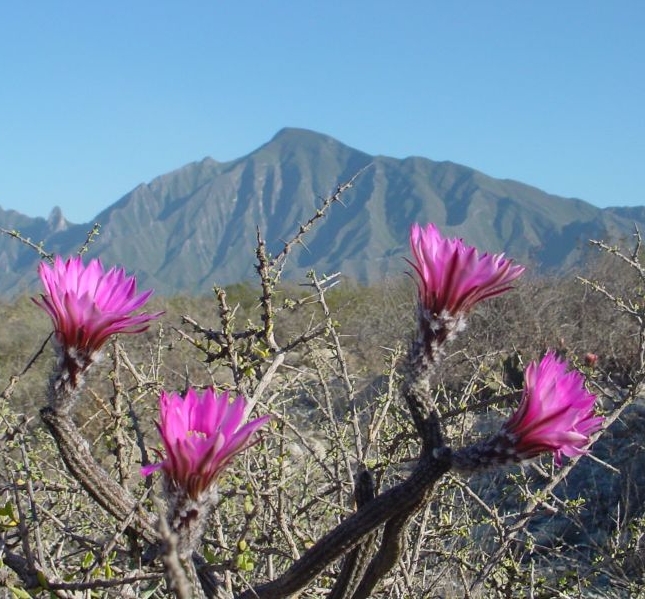
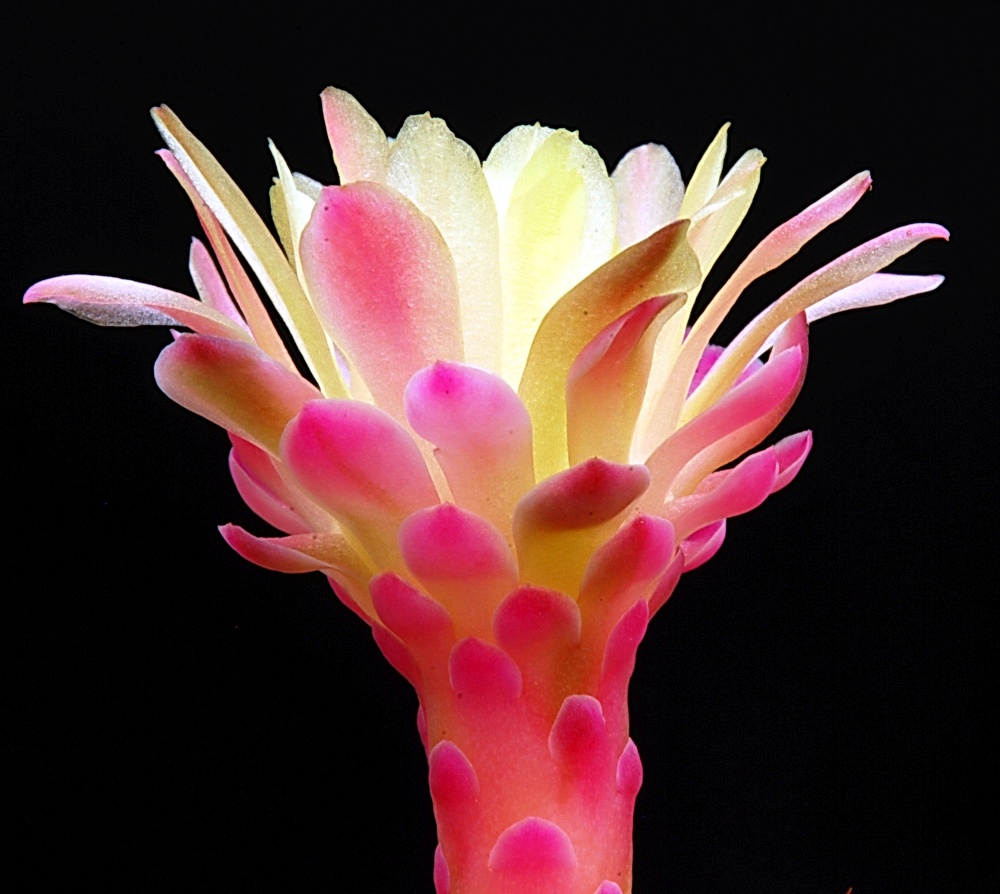
Crown and flowers. Growth builds at the top. Flowers come from the crown—when heat, day length, and moisture line up—so they sit above the spines and are easy to spot. After bloom, fruit tucks into the apex and often lingers.
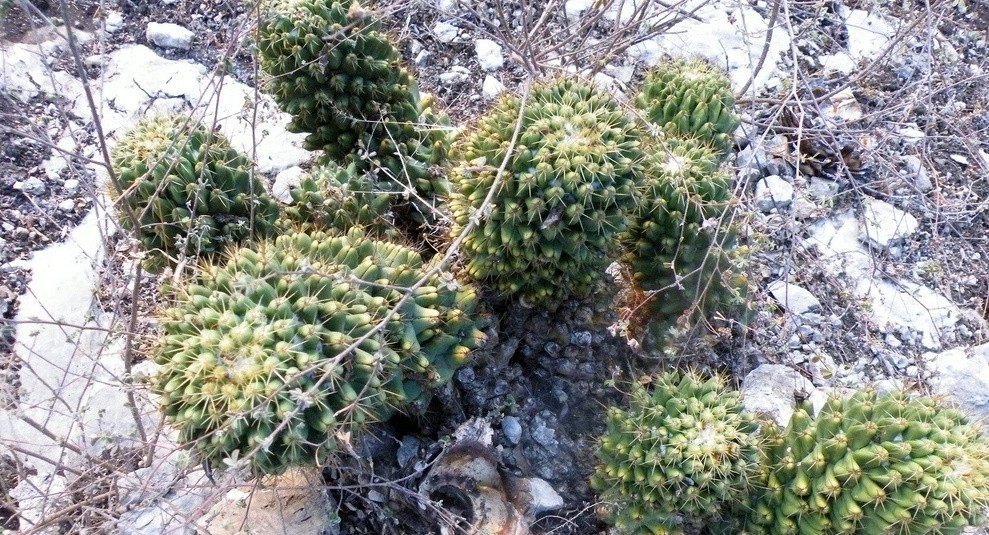
Where to look. Rocky slopes, open patches of scrub, toeslopes that shed water fast. Young plants hide under grass; older ones stand in full sun. Step lightly—seedlings are the size of the gravel that hides them.
Telling it from look-alikes.
-
From Mammillaria: flowers at the crown, not in a ring; the tubercle groove is your clue.
-
From Escobaria and allies: check the groove, the shape of the tubercles, and the position of the fruit.
Cultivation. Gritty, mineral-lean mix; pot with a real drain hole. Water deeply, then let the mix go almost dry. Bright light, with a touch of afternoon protection in extreme heat. Cool, bright, and mostly dry in winter. Step up one pot size only, and move plants with folded cardboard or tongs.
Notes for photos. Take a context shot first, then a close view of areoles, spine posture, and the crown. Labels with date and light level save you guessing later.
Seen up close, Coryphantha octacantha is about precision—stacked tubercles, orderly spines, and a crown that records the season. Give it space and restraint, and it will reward you with quiet structure and reliable grace.
Additional Reading: Coryphantha sneedii Complex