Introduction
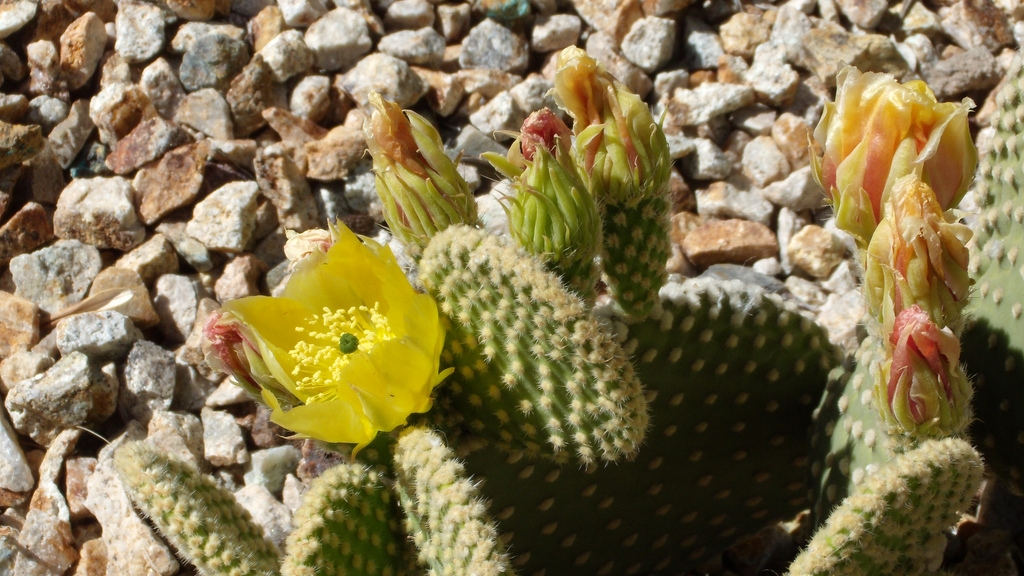
A nurse plant is a mature plant that helps a nearby seedling survive by softening harsh conditions. In deserts and semiarid shrublands, nurse plants are especially important for young chollas (Cylindropuntia). Under a small canopy or within a grass tussock, seedlings experience cooler afternoon temperatures, less evaporative stress, and a bit of protection from trampling or herbivory.
The Details
What Nurse Plants Do
-
Buffer heat and cold. Light shade lowers surface temperatures by several degrees and reduces nightly radiative heat loss.
-
Slow drying winds. A low canopy breaks gusts that would otherwise desiccate tiny joints.
-
Trap litter and moisture. Leaves and stems catch dust and organic matter, improving infiltration and keeping the top few centimeters of soil slightly moister after brief showers.
-
Hide seedlings from herbivores. Dense twigs, spines, or stiff blades make access less convenient for browsers.
Common Nurse Associates
Patterns vary by habitat, but certain plants show up again and again as cholla nurses:
-
Small shrubs: bursage (Ambrosia spp.), creosote bush (Larrea tridentata), and other low woody species that cast light, dappled shade.
-
Desert trees: mesquite (Prosopis), catclaw and other acacias, and palo verde (Parkinsonia) often host seedlings at the drip line where litter accumulates.
-
Perennial grasses: clumping species such as galleta and other bunchgrasses create cool, protected pockets in otherwise exposed sites—useful on sandy or gravelly fans.
Younger chollas are disproportionately found in these microsites. As they gain height and branching mass, they tolerate open sun and may even overtop the original nurse.
As Chollas Mature
Over time, the cholla’s growing canopy competes with the nurse for light and water. In many stands, the older cholla persists while the nurse declines or dies back, leaving the cactus self-sufficient. The net effect is a shifting mosaic: nurses facilitate establishment, and mature chollas then help structure the patch by casting their own shade and trapping litter for other species.
Practical Notes
-
For restoration or landscaping: sow or plant chollas at the north or east side of a small shrub or within the edge of a grass clump to reduce heat load, especially during the first two summers.
-
Protect the nurse layer: removing shrubs or perennial grasses can sharply reduce natural recruitment.
-
Mind spacing: partial shade is helpful; deep, permanent shade is not. Aim for filtered light and some open sky.
-
Transition plan: once the cholla is well rooted and above knee height, it typically no longer needs the nurse’s cover.
Nurse–seedling partnerships are a simple, powerful way that deserts build themselves. Preserve the nurses, and cholla recruitment follows.
Additional Reading: Nurse Plants for Chollas