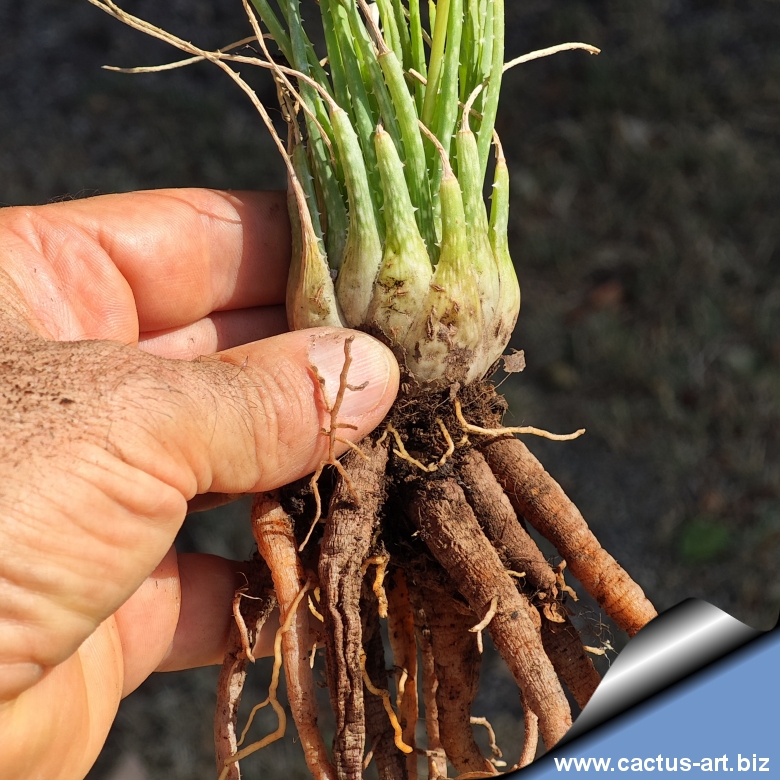
(photograph = Delospermum conjestum, gardencentrekoeman.co)
Introduction
Delosperma is the cheerful “ice plant” that carpets rock gardens with neon mats of bloom. From a distance, the flowers read as daisies—radiating “petals” around a bright center—but that resemblance is only skin-deep. Delosperma belongs to the Aizoaceae, not the Asteraceae, so what you see is a true flower with many petaloid parts rather than a composite “head” made of dozens of tiny florets. The leaves give the rest away: paired, succulent, and often dusted with microscopic, light-catching cells that make the plants seem sprinkled with frost. In short, the daisies are look-alikes; the ice plants are specialists for sun, wind, and lean, fast-draining ground.
The Details
“Daisy-like” is a handy shortcut, but the structures differ. In daisies (sunflowers, asters, and kin), each “flower” is a tight head of many florets packed on one disk and ringed by bracts. In Delosperma, each blossom is a single flower with a ring of narrow, petal-like segments and a central tuft of stamens. That small bit of botany explains why the plants behave differently in the garden—long, repeat blooming from individual stems rather than a one-and-done flower head.
Most garden forms trace to southern Africa, where sun, thin soils, and quick-draining slopes are the rule. The common rock-garden species spread into low, rooted mats that hug heat and shed rain. Leaves are cylindrical to three-angled, always opposite, and built to store water. After a shower, seed capsules show the family’s party trick: they’re hygrochastic, opening when wet so rain-splashes shake seeds into nearby crevices. In bright, dry weather, flowers open wide; in shade or at night, they close—part protection, part thrift.
Color is the calling card. Magentas and purples dominate, but there are clear yellows, oranges, and bi-colors with pale eyes. Blooms ride just above the foliage from late spring into fall if the soil drains and irrigation comes in occasional deep pulses. Pollinators find them easily; small bees, hoverflies, and butterflies work the beds on sunny days.
Culture is simple if you follow the plant’s script. Choose full sun and a lean, mineral mix—gravel, coarse sand, crushed stone, and just enough loam to bind it. Raised beds, berms, and crevice plantings keep crowns high and dry. Water thoroughly, then withhold until the soil is bone-dry; winter should be bright and on the dry side. Heavy clay, over-mulching, and frequent light watering are common ways to lose plants, especially in cold, wet spells. Many selections are genuinely cold-hardy when drainage is ruthless, shrugging off snow and brief freezes that would flatten tender succulents.
Maintenance is light. Shear lightly after peak flushes to keep mats dense, and refresh edges by pinning down a few cuttings where you want fill-in—Delosperma roots readily. In containers, use wide, shallow pots with generous drain holes; feed sparingly, if at all. If a patch declines after a sodden winter, lift a few healthy tips and restart on cleaner, sharper ground.
For quick ID in mixed plantings, check three cues: opposite succulent leaves, glittering “ice” on the surface, and flowers that close when the sun leaves. If you’re tempted to call them daisies, you’re seeing the echo—radiating color, bright centers, and a tidy habit. But Delosperma earns its place by different means: desert geometry, clever seed capsules, and a bloom engine tuned for heat and light. That’s why it works so well on walls, in crevices, and across sun-baked beds where true daisies sputter.