(photo above by Stuart)
Introduction
Denmoza rhodacantha is the hallmark species of a small Andean cactus lineage; the genus name is an anagram of Mendoza, Argentina. In habitat, plants start as squat globes and later become short columns that usually remain solitary. Stems carry many ribs and dense, reddish young spines that gray with age.
The Details
Range and setting: On the eastern foothills of the Andes in western to northwestern Argentina—from around Mendoza north toward Salta—plants occur on rocky slopes between roughly 800 and 2,800 m. In exposed sites, seedlings linger in the globular phase for years before trunks slowly elongate.
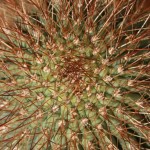
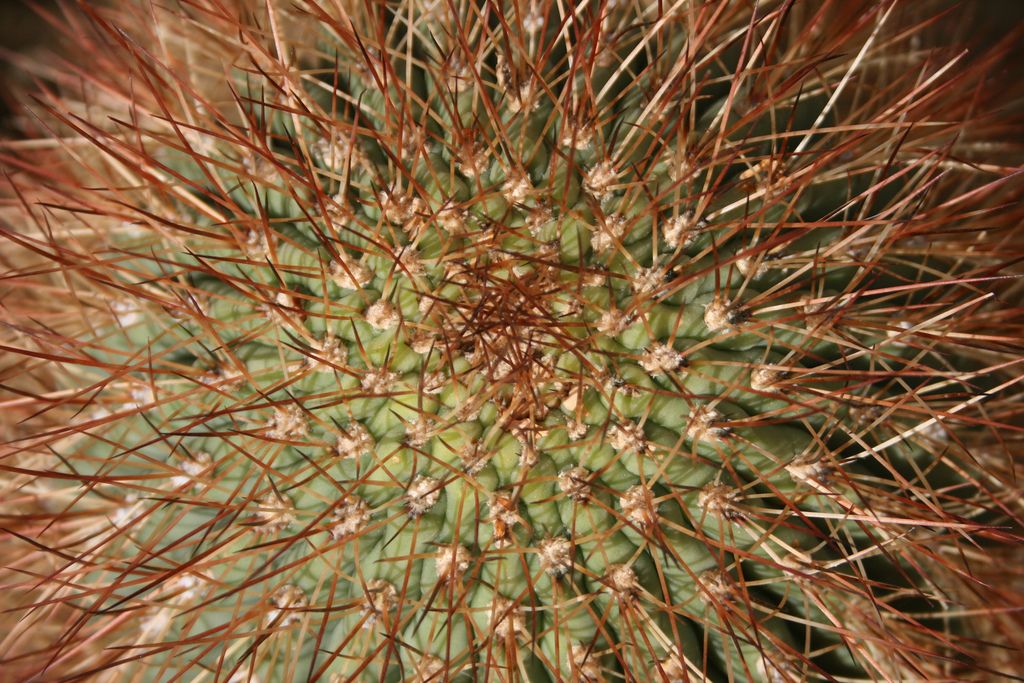
Form and armament: Mature plants commonly show 30 or more high ribs with closely spaced areoles. Each areole bears numerous spines; new growth is often rust- to red-spined, then weathers to tan or gray. Well-grown individuals in habitat can exceed a meter tall.
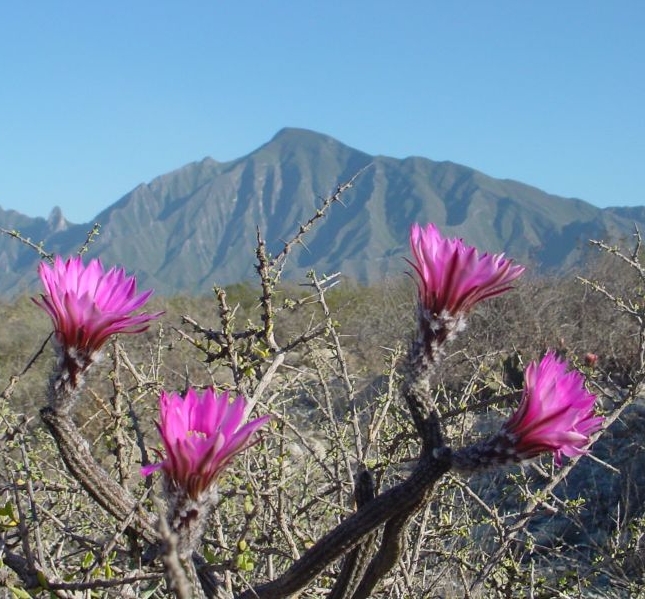
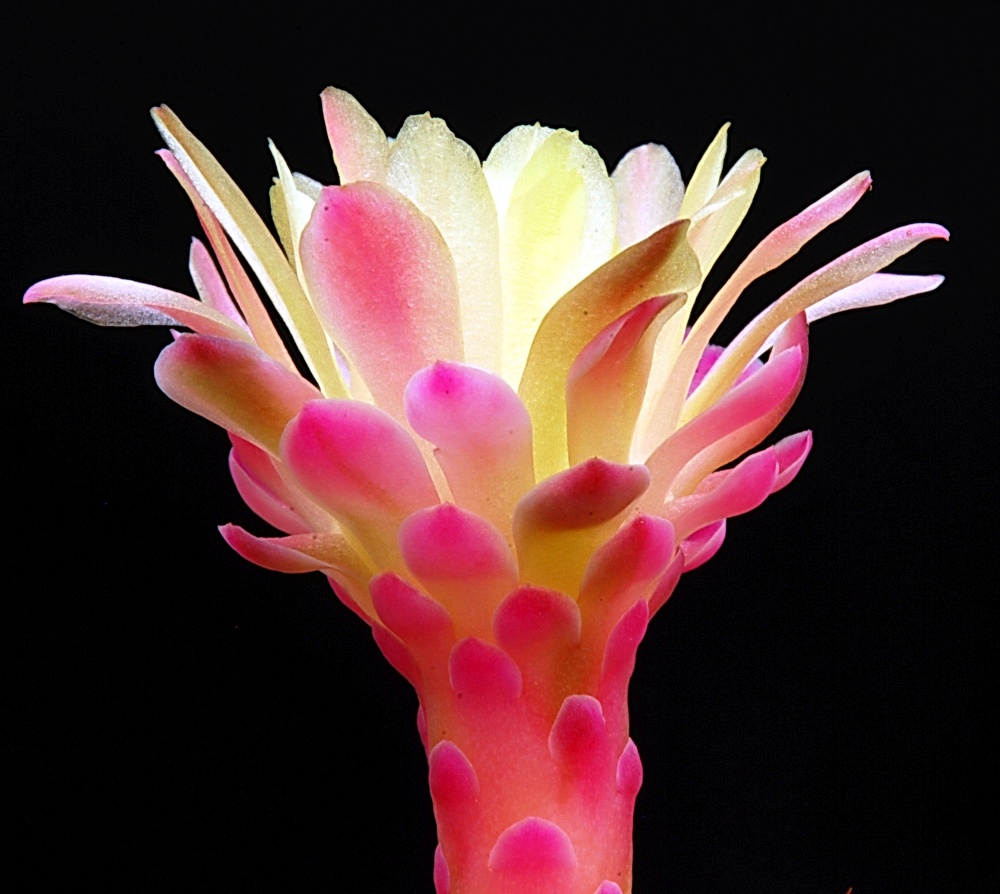
Flowers and fruit: Tubular, scarlet, day-opening flowers emerge from bristly, spine-bearing areoles; fruits are spherical and contain glossy, dark seeds. Floral form suggests bird pollination, and hummingbirds are reported around plants, though visitation varies by site and season.
Taxonomic note: Historically shuffled among several genera, the species is widely treated as Denmoza rhodacantha; some lists fold it into Echinopsis or recognize a second name (D. erythrocephala) within the complex. Your usage here—Denmoza with D. rhodacantha—is common in horticulture and field guides.
Related Reading: Arizona Barrel Cactus