
(Photograph: Echinocactus polycephalus xeranthemoides, Nancy Hussey)
Introduction
Echinocactus polycephalus is a many-headed barrel cactus of the Mojave Desert. Plants are usually solitary when young and form dense clusters with age. Heavy ribs and stout spines give each head a bristly look, and the overall clump can be striking on rocky slopes and desert flats.
The Details
Habit and size
Young plants are spherical to short-cylindrical. Over time, new heads arise at the base, creating low mounds. In exposed sites, stems stay compact and heavily armed; in slightly sheltered microsites, they may grow a bit taller.
Spines and surface
Spines are stout and closely set, often obscuring the stem. Ribs are deep, allowing the plant to swell after rains and contract during drought. This shape helps the cactus store water while limiting surface exposure.
Range and habitat
Echinocactus polycephalus occurs in the Mojave Desert on rocky slopes, alluvial fans, and gravelly flats with excellent drainage. Plants handle intense sun, wide temperature swings, and long dry spells typical of this region.
Flowers and fruit
In favorable seasons, mature heads produce spring to early-summer flowers at the crown, followed by dry fruits that hold many seeds. Bloom varies with rainfall and temperature; in very dry years, flowering may be sparse.
Cultivation notes
This species is slow and best for experienced growers. Use a very coarse, fast-draining mix, strong light, and careful watering—soak thoroughly during warm growth, then let the mix dry before watering again. Keep cool and almost dry in winter to prevent rot.
Additional Reading: Splitting Echinocactus


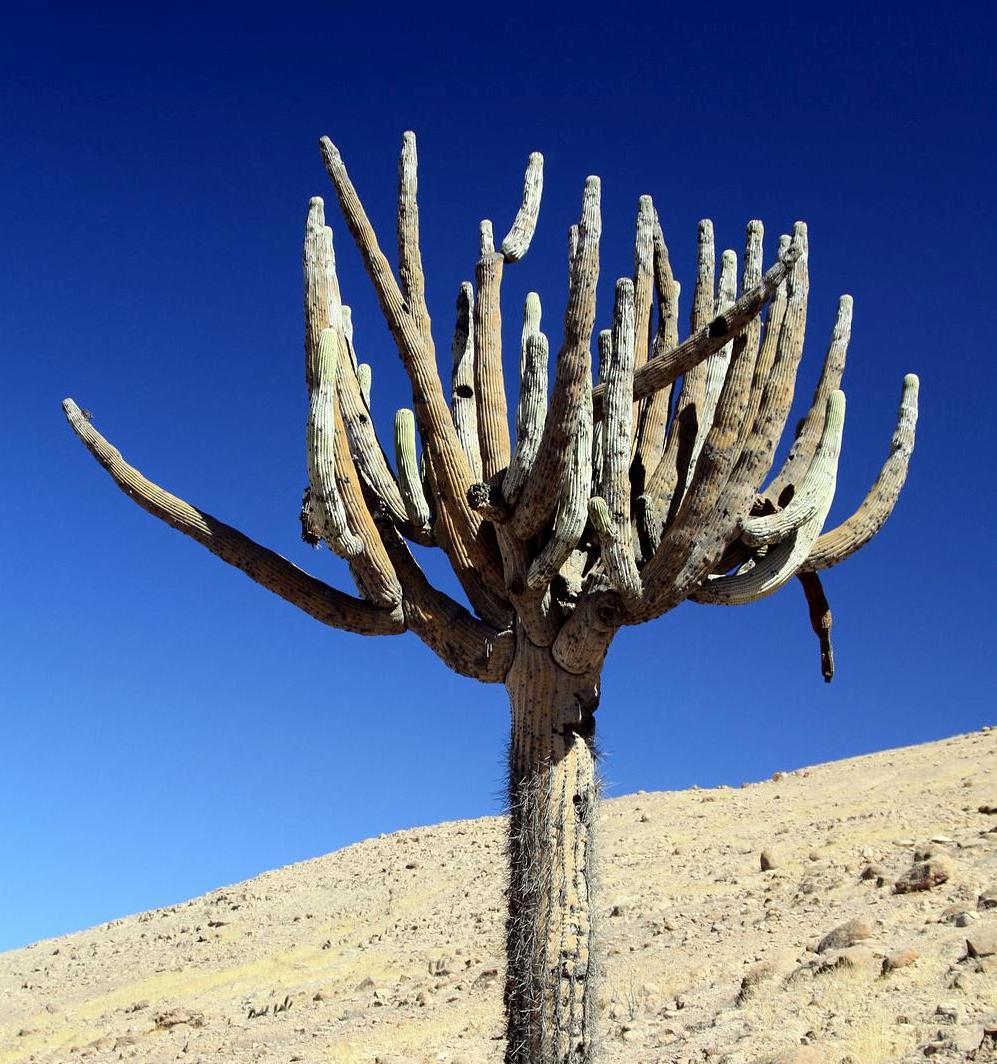
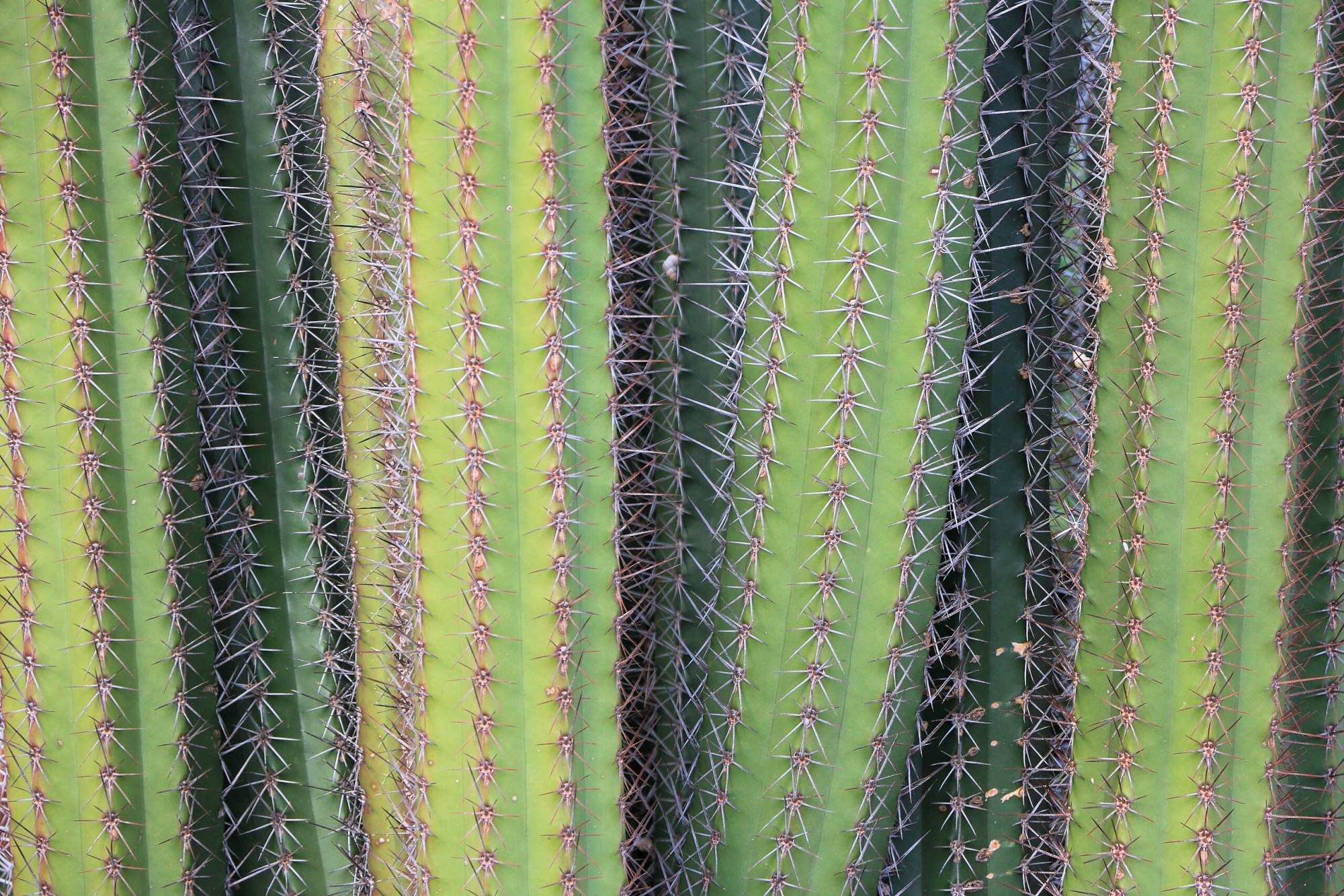
I have seed from E. xeranthemoides from a 5,000′ locale in Coconino County and would be glad to share with anyone who can grow it outdoors in the western US. The seeds germinate at high temperatures (90+) in high humidity. I have only seen these plants for sale in Europe on grafts and have never been able to re-root cuttings. E. xeranthemoides grows in very cold locations along the north and south rims of the Grand Canyon so should be hardy at least to sunny zone 6 western locations. E-mail me if you would like to try some seed.
Hi Rod,
Thanks for your generous offer. I hope you get some takers.
Joe
A great plant, and the first time I was wowed by them was E of Independence CA, very Mojave, except according to the maps! It wasdotting a gorgeous curved bajada.
In the garden its picky and in need of sharp drainage…mine rotted one slightly wet but mild winter…in Albuquerque, on well-draining, gravelly soils in full sun. That should tell of how sensitive it is, given everything it should have wanted.