Introduction
Hesperaloe parviflora—commonly called red Yucca—is a Chihuahuan Desert succulent found on rocky slopes, prairies, and mesquite flats. Tough, adaptable, and long-lived, it has become a reliable landscape plant well beyond its native range. The species goes by several common names (red Yucca, coral Yucca, false Yucca, hummingbird Yucca). Although it resembles a yucca, it isn’t one; both groups simply share membership in the century-plant family.
The Details
Red Yucca forms dense, basal clumps of narrow, arching, blue-green leaves. Each leaf is sword-like and evergreen—typically 2–3 feet long (sometimes to 4 feet) but only about an inch wide. The yucca look-alike ends when it blooms: tall, wiry flower spikes rise to roughly 6 feet and carry tubular blossoms most often in coral to red shades. Creamy-yellow selections exist, though the red forms dominate in gardens. Spikes are usually upright, but in high-water sites they may lean or arc.
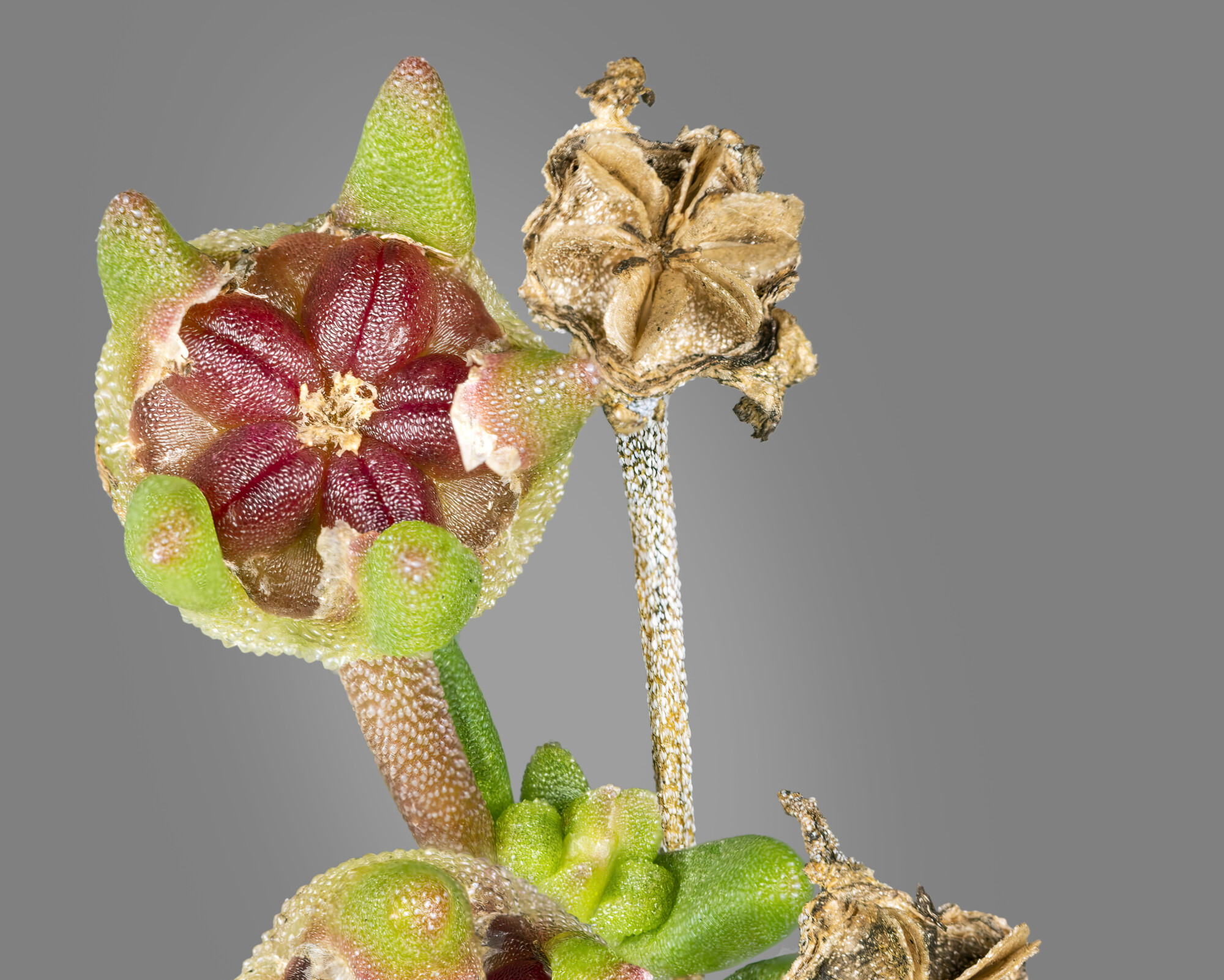
The plant grows quickly once established. With heat and sun, it can fill a space in two seasons and, in good years, flower from late spring into summer. Seed pods follow, and the seeds germinate readily for those who like to start new plants; divisions from mature clumps also root well.
Red Yucca is a nectar source for bees, butterflies, and hummingbirds, and the seed crop can draw small seed-eaters. Deer typically find the foliage unappealing, and pets should not be allowed to chew the leaves.
Despite its southern origin, the species is notably hardy—roughly USDA Zones 6–7 in dry, well-drained sites. In colder regions, plant in full sun and, if possible, near a south-facing wall for extra winter warmth. After severe cold, foliage may burn back; in spring, simply remove damaged leaves and allow fresh growth to push through.
Care at a glance: full sun; fast-draining soil; deep, infrequent watering once established; minimal fertilization. Keep it on the dry side for the cleanest form and the sturdiest flower spikes.
Additional Reading: Red Yucca