Mojave Desert in the Spring

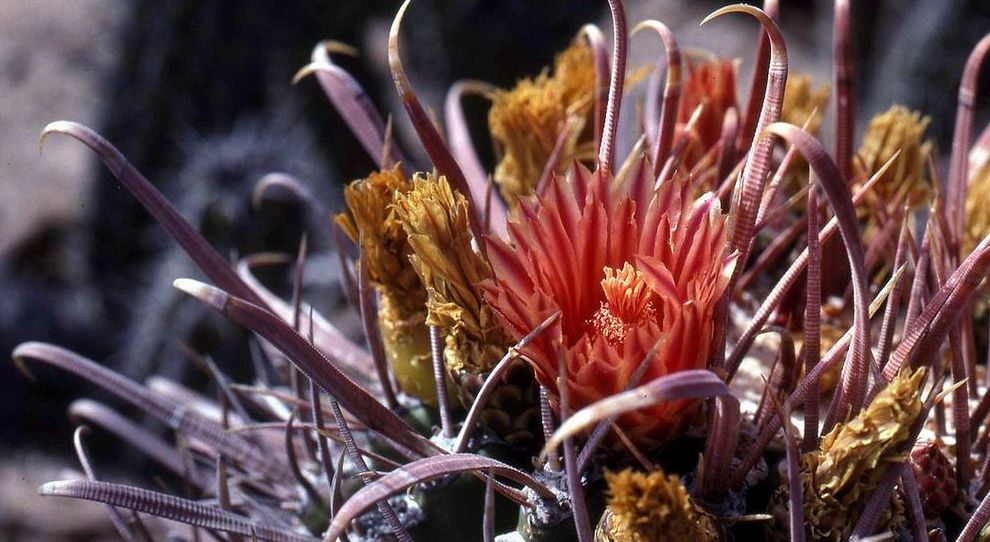
 (Photograph = Cylindropuntia echinocarpa, Nancy Hussey)

Introduction

The Mojave Desert stretches from northwestern Arizona to the Salton Sea, and northward to Death Valley and beyond. It even brushes the southwest corner of Utah. Of the major desert regions in the United States, the Mojave receives the least rainfall; some areas average five inches per year, or less. In dry years, the landscape feels austere—wind, stone, and sky. In wet years, especially after steady winter storms, everything changes.

The Details

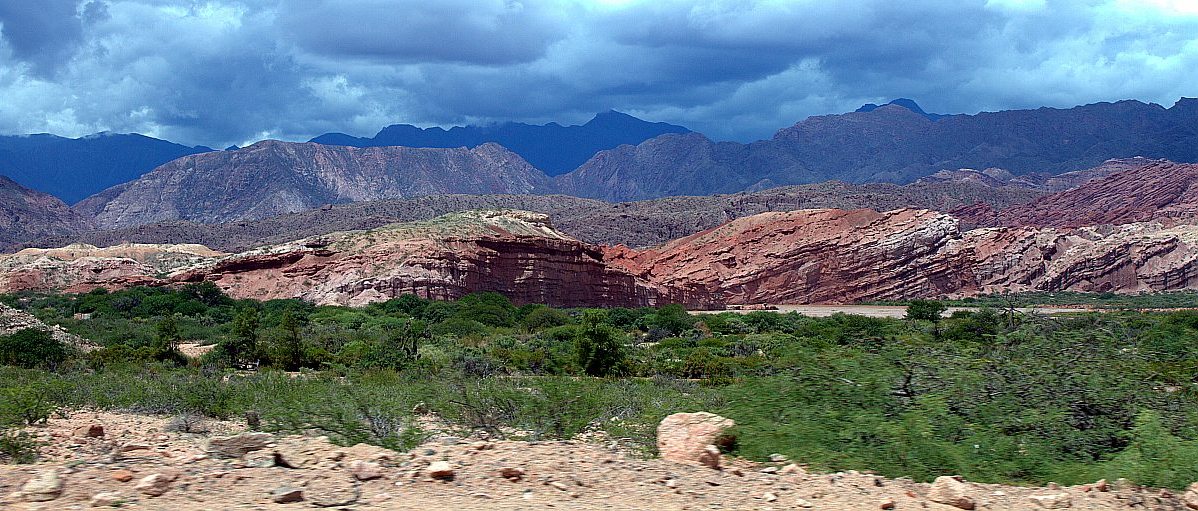
When winter or early-spring rains are generous, the Mojave lights up by early April. For a month or more, washes and bajadas bloom in wide bands of color—magenta, orange, yellow, chartreuse, and soft whites—punctuated by the textures of chollas, hedgehogs, barrels, and prickly pears. Cacti and other succulents take the cue and flower all at once, because the next good year may be a while.

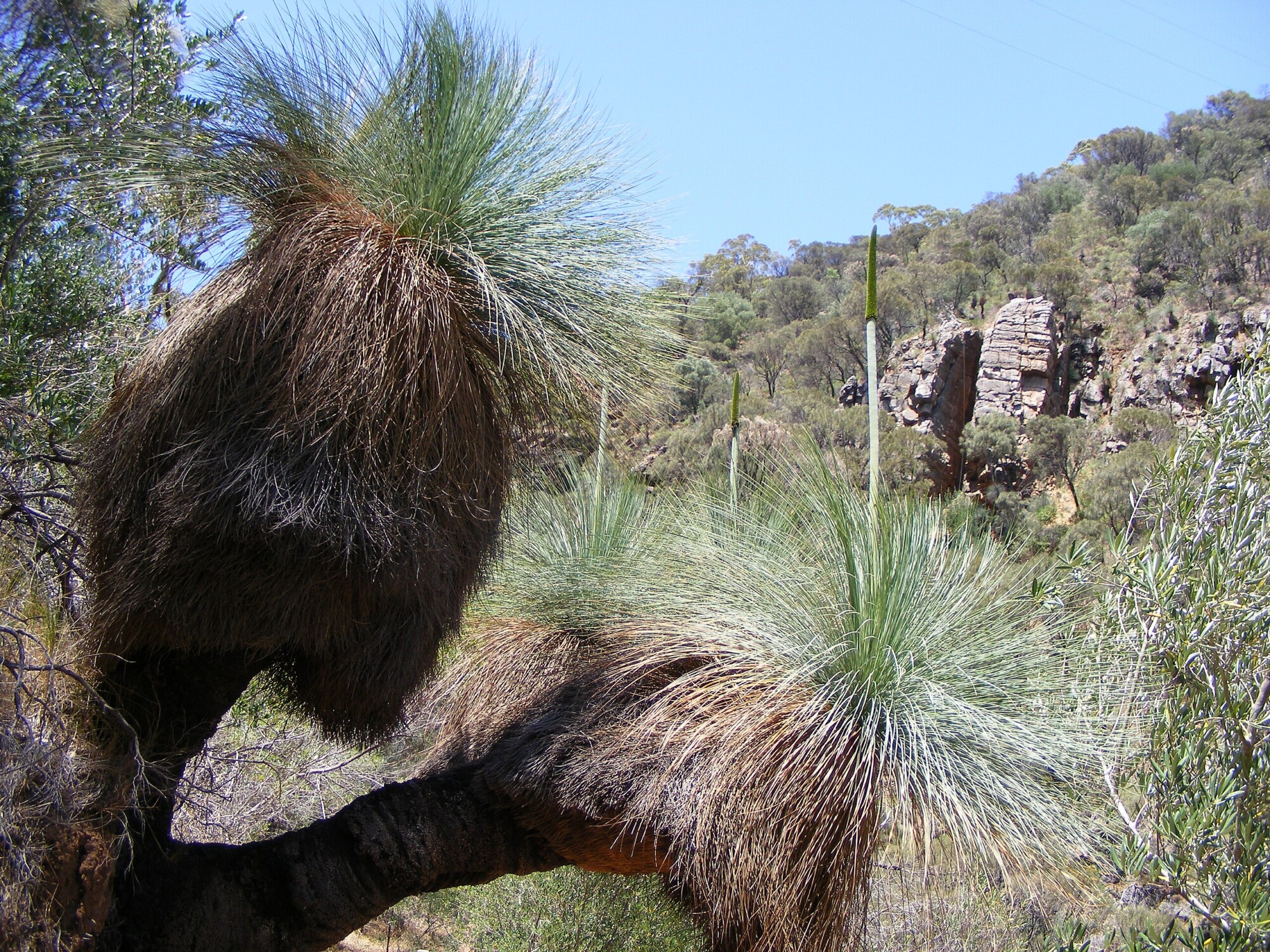
Look for familiar genera across the lowlands and foothills: Cylindropuntia, Echinocereus, Echinocactus, Ferocactus, Escobaria, Sclerocactus, Mammillaria, Opuntia, and Yucca. In good seasons, even agaves high in the mountains push tall stalks, and ocotillos—reaching in from the Sonoran edge—flare red along the ridges. Joshua trees mark the heart of the Mojave, their branching silhouettes framing blooms at ground level.

This year’s bloom is strong. If you go, focus on places with a little elevation, where cooler nights and slightly better rainfall stretch the season. Start early, bring water, and plan to linger—flowers open and shift through the morning, and the light changes the color of everything.

All photos by Nancy Hussey. 

Additional Reading: Mojave Desert Discovery

2 Comments

Add Yours →

Leave a Reply