Introduction
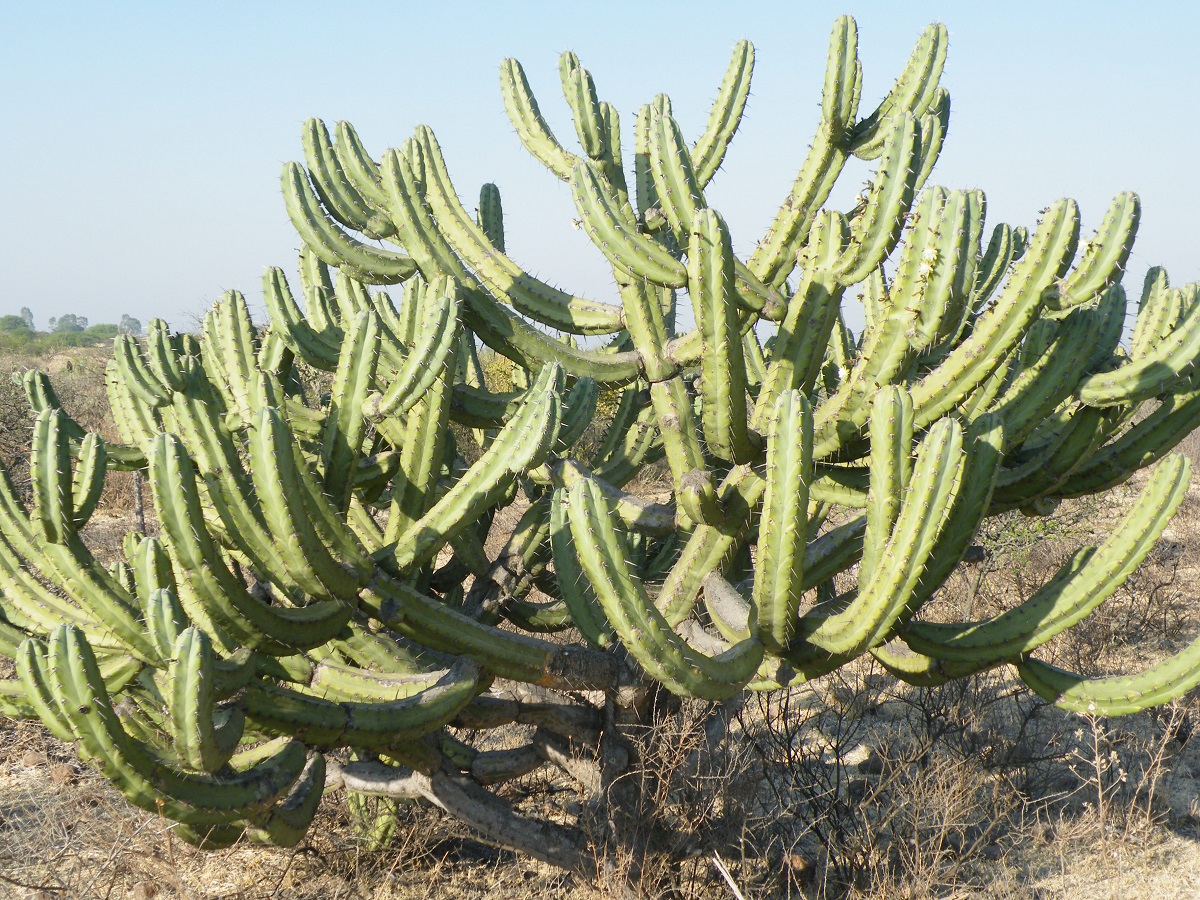
In the Tehuacán Valley, Myrtillocactus produces many small, pale flowers that draw a steady stream of insect visitors. The blooms open in warm weather, and together the plants support a busy pollination scene that leads to heavy fruiting later in the season.
The Details
Flowers and timing
On warm, bright days, flowers open widely and reveal accessible nectar and pollen. Bloom tends to follow favorable moisture and temperatures, with individual shrubs carrying many dozens of blossoms at once.
Who visits
Native bees are the most frequent visitors, with flies and occasional beetles also working the flowers. As insects move from plant to plant, they carry pollen that helps set fruit across a stand.
What helps fruit set
Because flowers are plentiful and close together, multiple visits are common on good days. Repeated pollen transfer generally improves the odds that a flower will set fruit and mature viable seeds.
What to look for in the field
From mid-morning into afternoon, watch for bees moving quickly across the crown, probing each flower briefly. Later, when the fruits redden, you will often see birds and other animals arrive—evidence that successful pollination earlier in the season paid off.