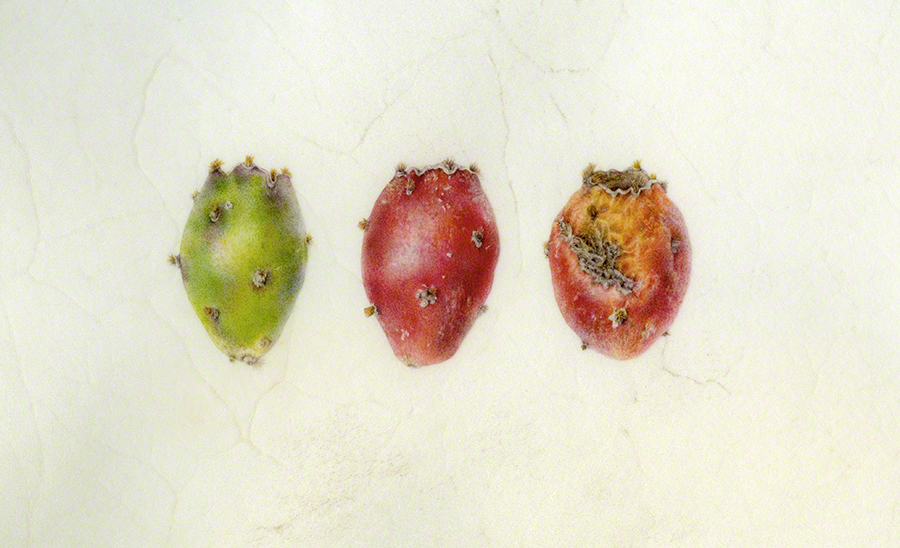
(painting by Deborah B Shaw)
Introduction
Desert plants offer striking shapes and clean lines that reward close looking, and Opuntia stands out. The rhythm of repeated pads, the graphic punch of spines, and the seasonal flashes of fruits create subjects that are both sculptural and colorful. In strong light, the plants throw crisp shadows and carve negative space; at dusk, their outlines soften into simple, readable forms. Because the pads echo one another in size and angle, Opuntia can anchor a composition with clear geometry while still feeling alive and organic.
The Details
Opuntias range from tidy, symmetrical clumps to wildly asymmetrical stacks. Pads can repeat the same outline over and over, or shift subtly along a joint, giving you a built-in sense of motion. Color is part of the attraction. Depending on species, weather, and soil, pads may be apple-green, bluish with a glaucous bloom, yellow-green after rain, or flushed brown-purple in cold or drought. Fruits—whether pear-shaped or round—add saturated accents that balance the cool greens and blues. Even without flowers, the plants carry a strong desert palette that reads well at any distance.
For drawing, spines behave like linework. From some angles, they radiate, emphasizing perspective; from others, they lie close to the pad and suggest texture. Backlighting makes spines halo a pad edge, while cross-light reveals areoles as a dotted grid. When you sketch on site, choose angles that separate overlapping pads so their edges stay legible; when you work from photos, look for strong value contrast and clean silhouettes.
In watercolor, a light wash sets local color; a granulating second wash suggests the pad’s bloom; drybrush picks out glochids and spine bases. Masking fluid preserves the brightest spines; a final touch of opaque gouache can restore highlights. In acrylics or oils, underpaint broad shapes first, then block the cast shadows that give the pads weight before lifting out the sharp rim light. Printmakers can simplify pads into ovals and crescents, using hatch or stipple to imply areoles; linocut and woodcut suit the plant’s bold edges. Collage and mixed media work too—press painted papers for pads, then overprint fine spines for a layered look.
As subjects, opuntias thrive in minimal compositions. A single pad against sky can carry a small study; a thicket, cropped tightly, becomes a pattern. Place fruits or flowers as focal points, but let the pad architecture do the heavy lifting. In studio or field, Opuntia rewards careful observation and decisive marks—qualities that translate across oil, acrylic, watercolor, ink, printmaking, and digital media. Related Reading: Botanical Illustration.
Related Reading: Botanical Illustration



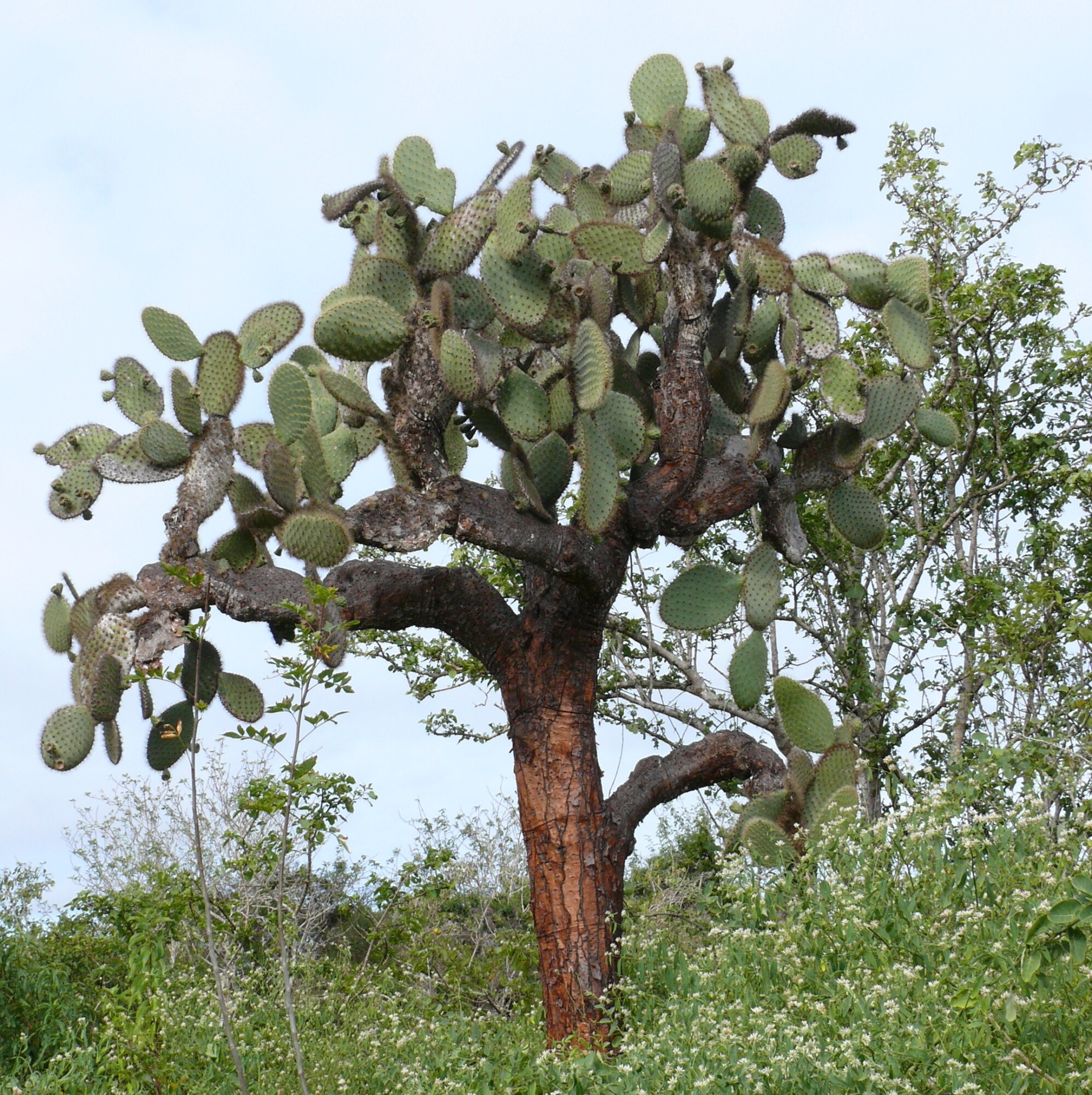
Beautiful!