Introduction
Succulents are built for swing seasons and long dry spells. They store water in leaves, stems, or roots, and many open their leaf pores mainly at night to conserve moisture. The result is a broad crowd of plants—from aloes to ice plants—that look sculptural, yet shrug off heat, wind, and missed waterings. They reward patience, and they repay simple, steady care with surprising color and bloom.
The Details
As houseplants, succulents fit busy schedules and small spaces. A bright windowsill, a pot with a drainage hole, and a gritty mix are most of what they ask for. Water deeply, then wait until the pot is almost dry; rotate every week or two so rosettes stay even. On short winter days, move plants closer to the glass, and trim or restart any stems that stretch—most will root readily, which turns “leggy” into an easy propagation project.
What makes them compelling is how many routes there are to the same goal. Leaf succulents carry reservoirs in thick blades; stem succulents hide water in ribbed columns; caudiciforms stash it in swollen bases. Some wear a chalky bloom that slows evaporation. Others have windowed leaves that admit light while the plant keeps most tissue below the surface. It’s all the same playbook: capture moisture when it’s there, then spend it slowly.
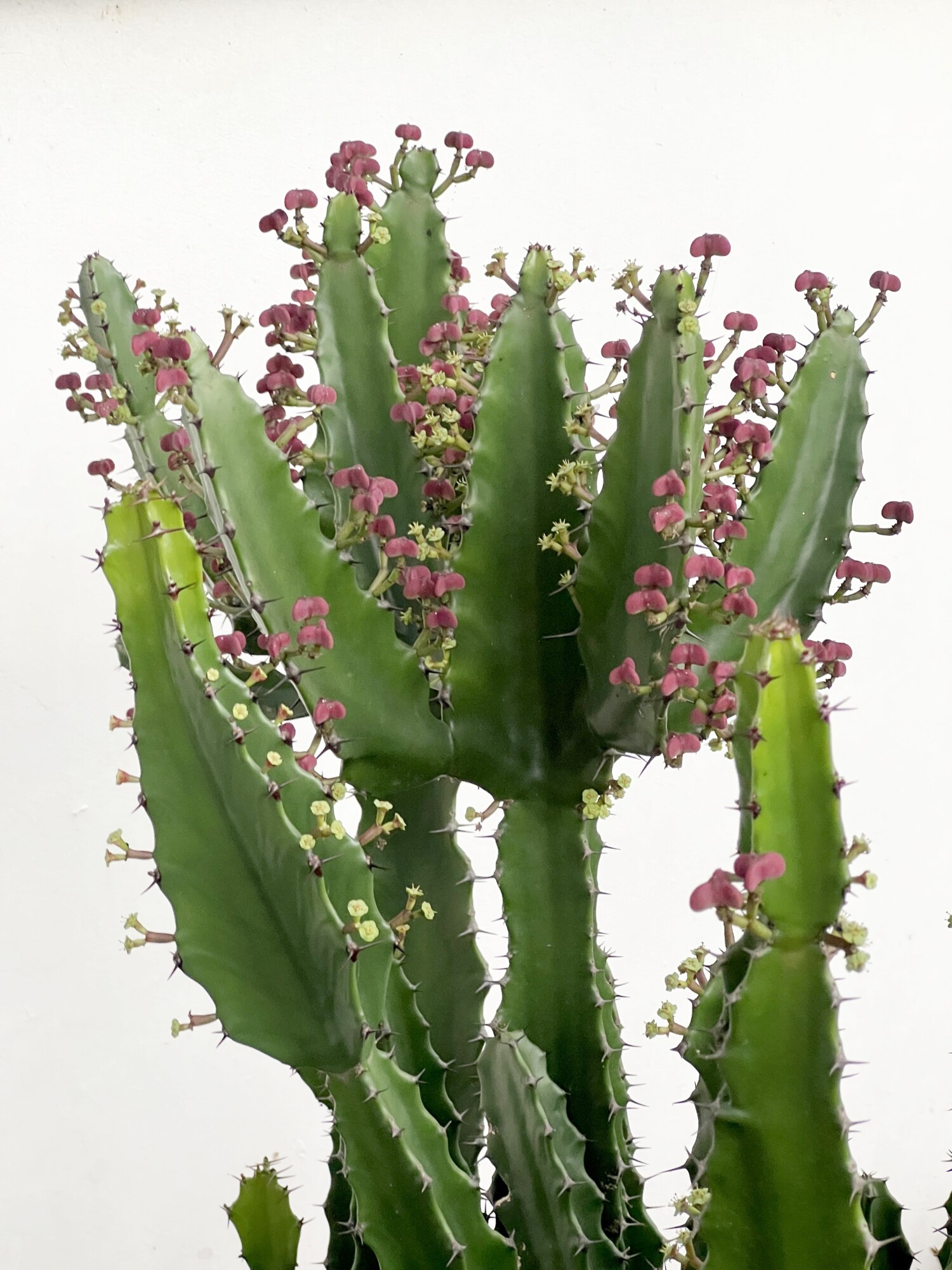
Across the group, forms and textures invite collecting and arranging. Aloes spiral and fan with clean edges. Haworthias and Gasterias stay compact, perfect for windowsills. Sedums and Crassulas branch into small, tidy shrubs. Delospermas and other hardy ice plants form ground-hugging mats that glow after rain. Agaves anchor a bed with bold rosettes, while Euphorbias mimic cacti so well that you check twice before you touch.
Indoors, success comes down to three things: light, drainage, and restraint. Give plants the brightest window you have, use a fast, gritty mix, and water deeply but infrequently—soak, then let the pot dry almost completely before the next drink. Rotate plants every few weeks so rosettes stay even. When you repot, step up just one size, and resist heavy fertilizer; most succulents prefer lean soil and strong light to a rich feed.
Outdoors, plant a little high in the bed, and keep stems or leaf bases off wet soil. Gravel or small stone as a top dressing looks good, keeps algae down, and dries quickly after storms. In cold climates, choose hardy mats and small shrubs that tolerate winter freezes. In humid summers, prioritize airflow, morning sun, and a chance to dry between rains. If a plant sulks through the hottest month, ease back on water and wait—many succulents have a natural rest when days are long and nights stay warm.
Propagation is part of the fun. Take cuttings with a clean tool, let the wound callus for a day or two, then set the piece on barely moist mix and ignore it for a week. For leaf-propagated kinds, detach a whole leaf cleanly, let it callus, and place it on the surface until tiny roots and rosettes appear. Label as you go; a month later, the look-alikes will thank you.
Design thrives on contrast. Pair smooth leaves with fine spines, blue-green with glossy jade, spheres beside strappy fans. In a tray, use repeating shapes to knit the composition; in a bed, set strong forms—an agave, an aloe, a clump of ice plant—so each has space to read. Colors shift with season and stress, so a planting can look cool in spring, bronze in late summer, and bright again after the first fall storm.
Succulents are cool because they do the most with the least. A plant that thrives on light, air, and a dry spell teaches you to slow down, to watch for small changes, and to celebrate a bloom that appears right on its own schedule. Give them what they want, and they’ll repay you with calm structure, subtle color, and a low-effort rhythm that suits busy days.
Additional Reading: Succulents for edible and medicinal gardens