(Photograph = Copiapoa solaris)
Introduction
Copiapoa is a Chilean cactus genus centered in the northern Atacama Desert. Species range from single, golf-ball–sized heads to broad, many-stemmed clumps. Rain is scarce, but along the coast and nearby hills, regular fog brings just enough moisture for these plants to persist. Earlier sources grouped Copiapoa with the Notocacteae, while newer taxonomy treats it as a distinct lineage within the cacti, with about thirty species recognized across northern Chile.
The Details
Habit and look
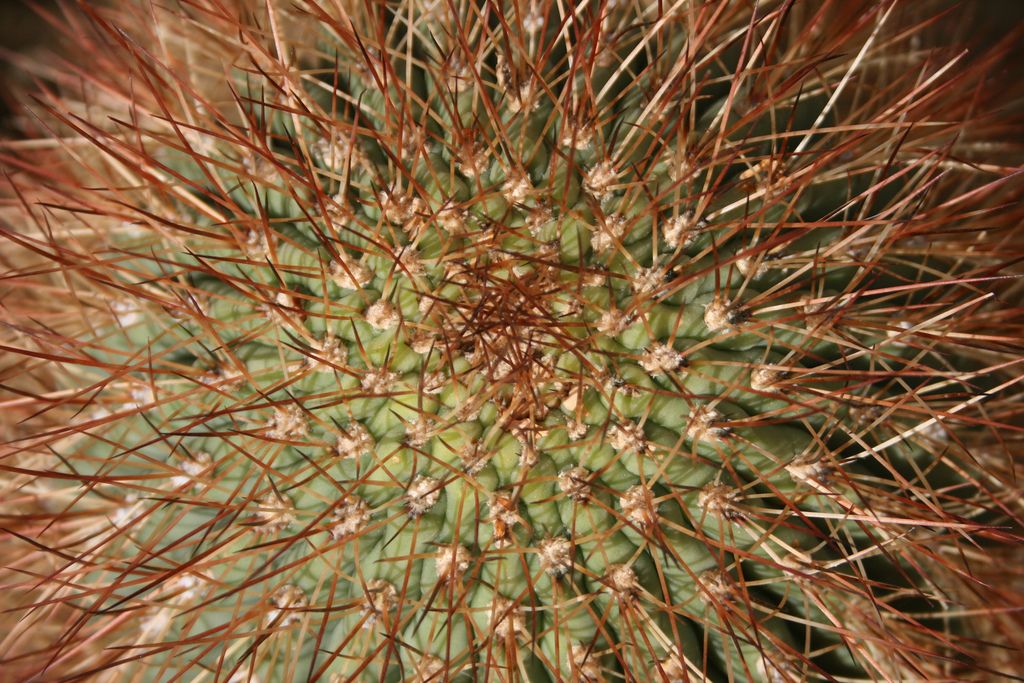
Plants are usually spherical to short-columnar, with strong ribs, closely spaced areoles, and dark, nail-like spines. Many species carry a gray or bluish waxy “bloom” that helps deflect sunlight and slow water loss. The stem tip is woolly, and flowers—most often yellow—emerge from that crown.
Range and habitats
From near sea level into coastal hills and inland valleys, Copiapoa occupies rocky, extremely well-drained sites. Stems often sit among stones that buffer temperature swings and reduce evaporation. Growth is slow; even medium plants can be decades old.
Fog and water
Along the Pacific edge, cool currents drive frequent fog (camanchaca). On ridges and slopes, droplets condense on spines and woolly crowns, then drip toward the roots. In fog-rich years, plants look fuller and set more seed; in drier spells, they conserve resources and barely grow.
Reproduction
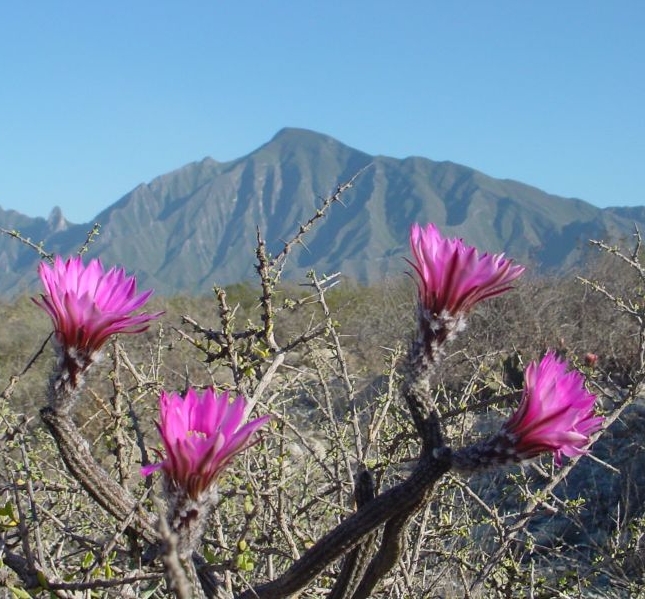
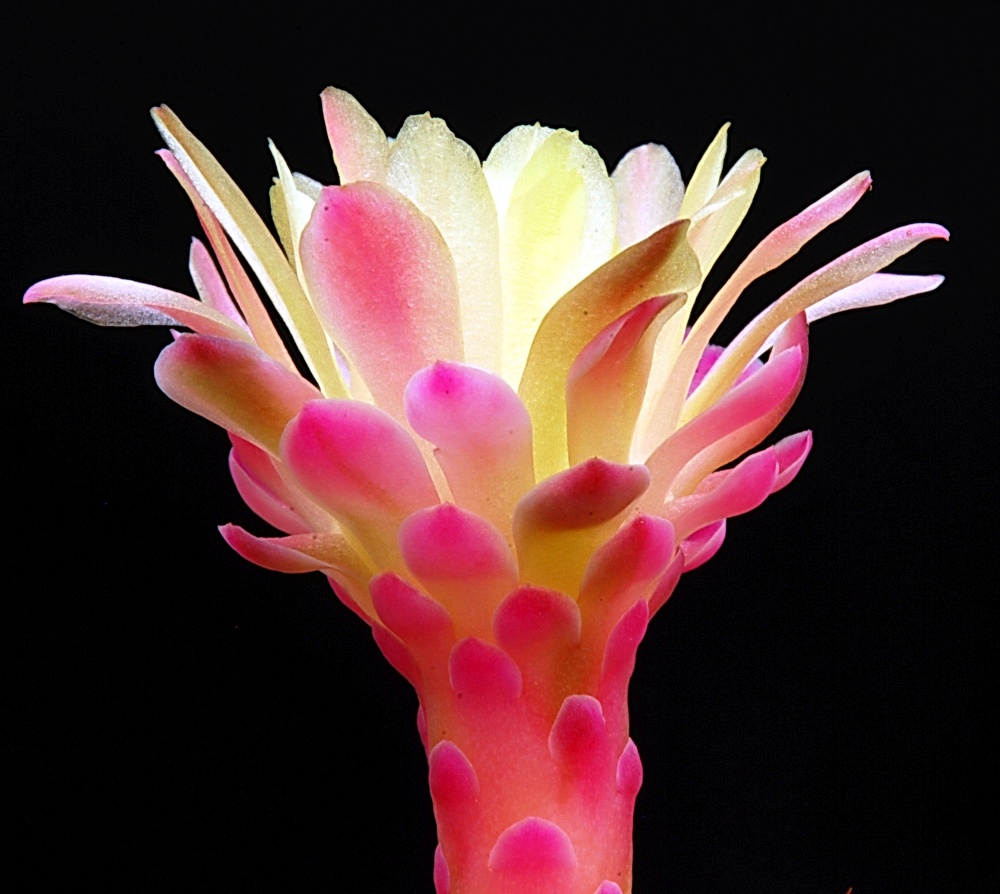
Flowering typically occurs in the warm season, with diurnal blooms that attract insects. Fruits are small and often partly hidden in the crown wool. In harsh years, plants may invest in maintenance rather than seed.
Notes on taxonomy
Historically, some species were placed in Echinocactus, and older treatments aligned Copiapoa with the Notocacteae. Modern classifications recognize Copiapoa as its own lineage, with species circumscribed more narrowly than in the past. Field variation can be high, so names have shifted as botanists re-evaluate populations across the Atacama.
Conservation and cultivation
Because Copiapoa grows slowly and many species have small ranges, wild plants are vulnerable to over-collecting. In cultivation, seed-grown plants are the ethical choice. Provide very bright light, gritty soil that never stays wet, and modest water during warm growth. In winter, keep plants cool and nearly dry to avoid rot.
Quick takeaways
-
Chilean, fog-dependent desert cacti adapted to extreme dryness.
-
Spherical to short-columnar stems with dark spines and a protective waxy coating.
-
Slow growth and small ranges make some species conservation priorities; choose seed-grown plants for cultivation.