Introduction
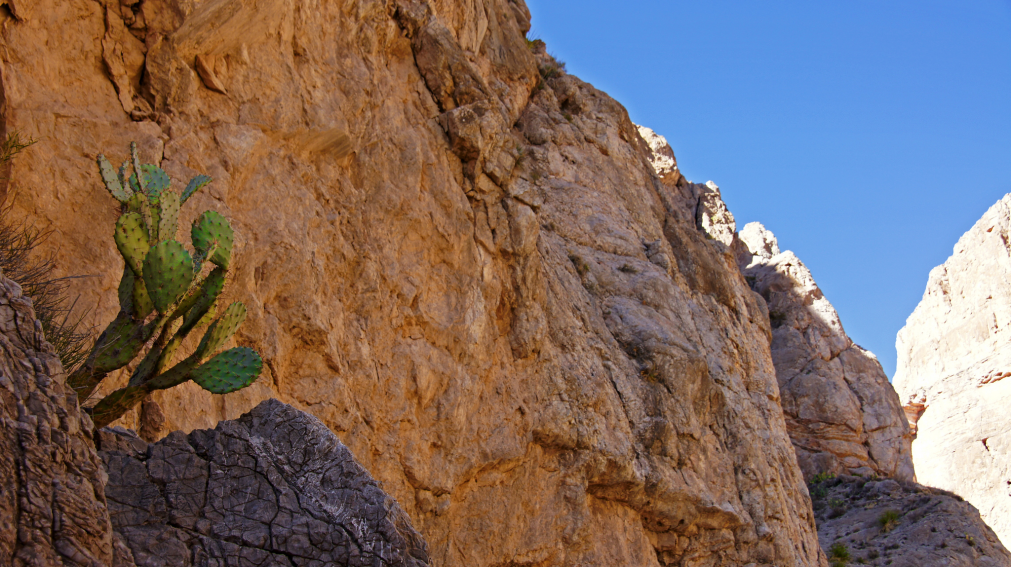
Cactoblastis cactorium is a South American moth whose larvae bore into prickly-pear pads and can collapse whole clumps. The species is famous for controlling invasive Opuntia in Australia a century ago, but where native prickly pears grow—such as the Caribbean and the southeastern United States—it’s a serious threat to wild and cultivated plants.
The Details
Life cycle and damage. Females lay eggs in stacked “egg sticks” on a spine or areole—often 30–100 eggs in a tidy column. Newly hatched larvae enter a pad together and tunnel through the tissue, leaving wet, brown galleries and piles of orange-brown frass that look like coarse sawdust. Entry holes and soft, sagging pads are early clues. Mature larvae exit to pupate in cocoons at or just below the soil surface; adults emerge, mate, and repeat the cycle. In warm climates, several generations can occur in a year.
Why it spreads so fast. Early instars feed gregariously, so one egg stick can ruin a pad. If the pad falls and stays shaded, larvae may continue in it for days before moving into nearby pads. Moving infested pads or whole plants—intentionally or in yard waste—helps the moth leap to new sites.
Look-alikes and quick ID. Many insects chew Opuntia, but internal tunneling plus damp, browning pads and coarse frass strongly suggest Cactoblastis. By contrast, surface nibbling (rabbits, deer) leaves clean bites; bacterial rot lacks the frass and egg sticks.
What to do in gardens.
-
Inspect plants weekly during warm months, especially after rains.
-
Clip and bag any pad with egg sticks or fresh entry holes; destroy by freezing or sealed trash (don’t compost).
-
Remove dropped, infested pads from the ground.
-
Avoid sharing cuttings unless plants have been inspected carefully.
-
Keep plantings airy and sunny so damaged pads dry quickly and are easy to spot.
Ecology and context. In regions without native Opuntia, the moth can be a useful biocontrol. Where Opuntia is native, protecting local species takes priority: early detection, careful disposal of infested material, and avoiding the movement of unknown cuttings are the best tools for keeping collections and wild stands healthy.
Additional Reading: Cactoblastis Moth