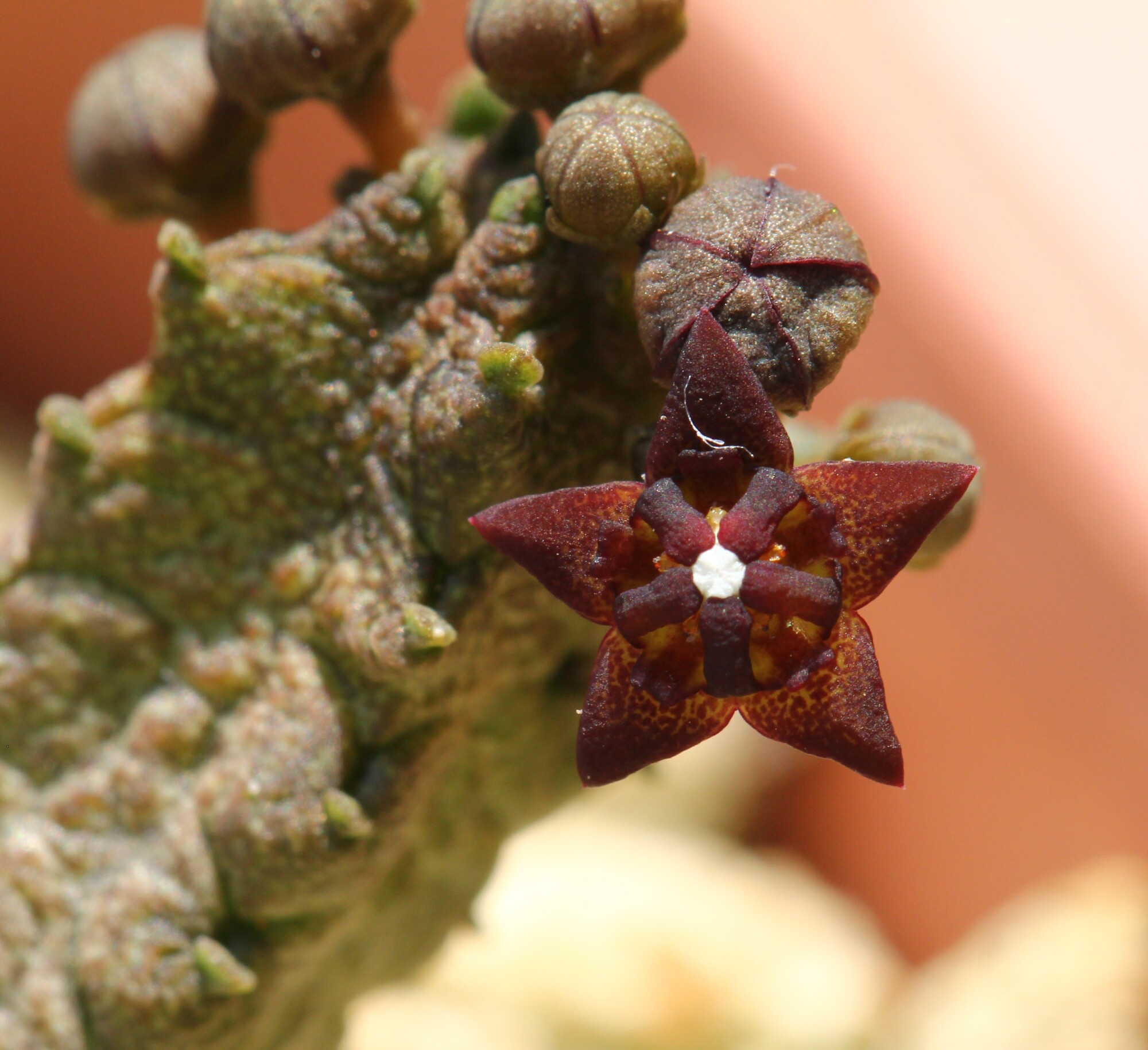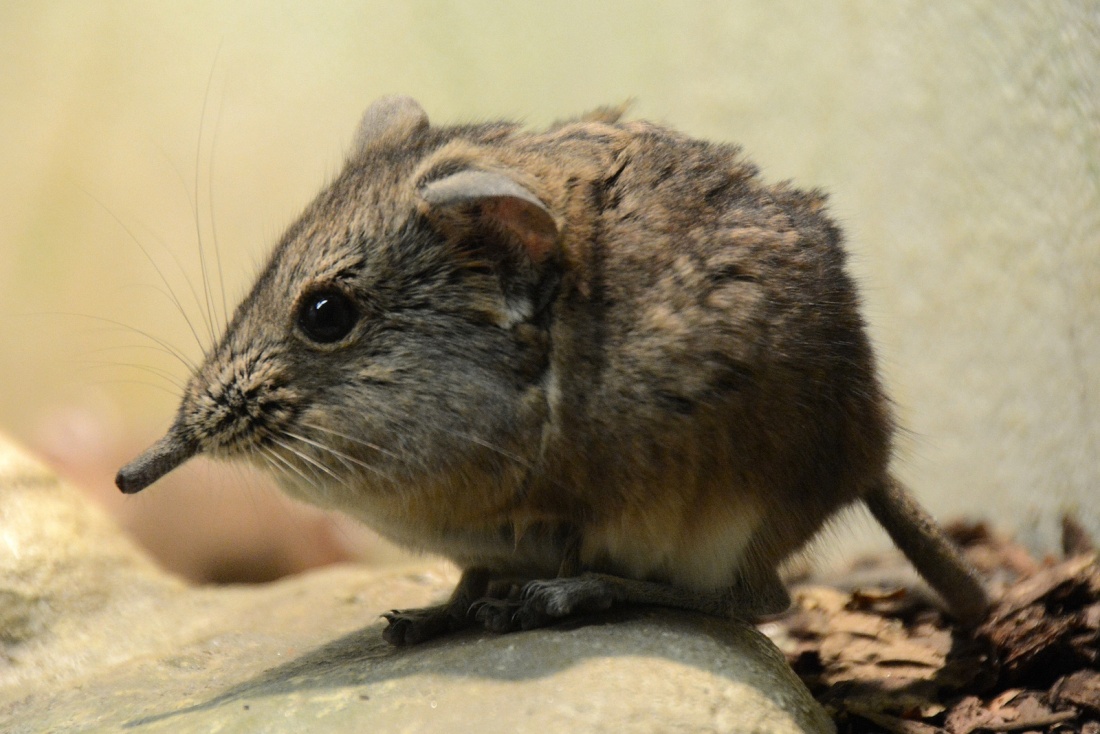
Macroscelides proboscideus, Joachim Muller

Seeds Safe in the Desert Karoo?

Photograph: Elephant shrew (Macroscelides-proboscideus), Joachim S Müller

Introduction

The Karoo looks bare until you watch what seeds do there. Crucially, not everything eats seeds—many animals prefer green shoots, nectar, insects, or carrion—and even dedicated seed-eaters are patchy in time and space. Because pressure is uneven, plenty of seeds simply go unnoticed, or they taste too hard, dry, or bitter to bother with. Plants tilt the odds further with timing, microhabitat, and clever packaging: release seeds when rain falls, tuck them into grit and cracks, and let coats, wings, or awns do quiet work.

The Details

Timing as armor. In several Karoo succulents, seed release is rain-triggered. Hygrochastic capsules open only when wet, then close as they dry. A brief burst of splashes shakes seeds into nearby grit—exactly when the surface is damp and temperatures are kinder—shrinking the window for predators.

Safe microhabitats. After a cloudburst, sheet flow lays fine seeds behind pebbles, under shale chips, and along the upstream side of small stones. Those tiny windbreaks slow water, trap crumbs of organic matter, and shade the soil just enough. Under thorn shrubs, wind is weaker and humidity slightly higher; litter collects, and footprints and burrows open extra niches.

Packages that help. Some seeds carry barbs or rough coats that catch on grit and resist being blown clean. Others hitch rides: ants drag food-bearing seeds underground, eat the attached reward, and leave the seed in a protected chamber. Grasses add a different trick—hygroscopic awns twist when wet and “screw” seeds into hairline cracks, out of sun and out of reach.

Hard coats and patient clocks. Tough seed coats slow water entry and digestion, buying time until a thorough soaking arrives. Dormancy spreads risk: a fraction germinates after one good storm, while the rest waits. In a place where “good years” come rarely and briefly, that stagger is insurance.

Placement by topography. Within a single valley you see clusters on slight rises, at the feet of rock steps, and on the shoulders of old fans. A few inches of height can mean faster runoff, less salt crust, and fewer grazing tracks. Safe is not far from the parent—often just the right side of a stone, or a pocket beneath a thorn.

The idea fits the Karoo: some seeds are safe because not everything eats them, and many more survive because timing and terrain help them disappear—quietly, efficiently—until rain gives them their moment.

Related Reading: Lack of Small Mammal Seed Consumption in the Karoo

Leave a Reply

Your email address will not be published. Required fields are marked *