Aloe dewinteri

Introduction

Aloe dewinteri is a compact, tidy aloe that reads well in rock gardens, raised beds, and bright containers. It forms neat rosettes, keeps its outline in wind and heat, and sends up showy, tubular flowers when the season turns warm. The plant asks for three simple things—sun, drainage, and restraint with water—and repays you with clean structure and a dependable bloom.

The Details

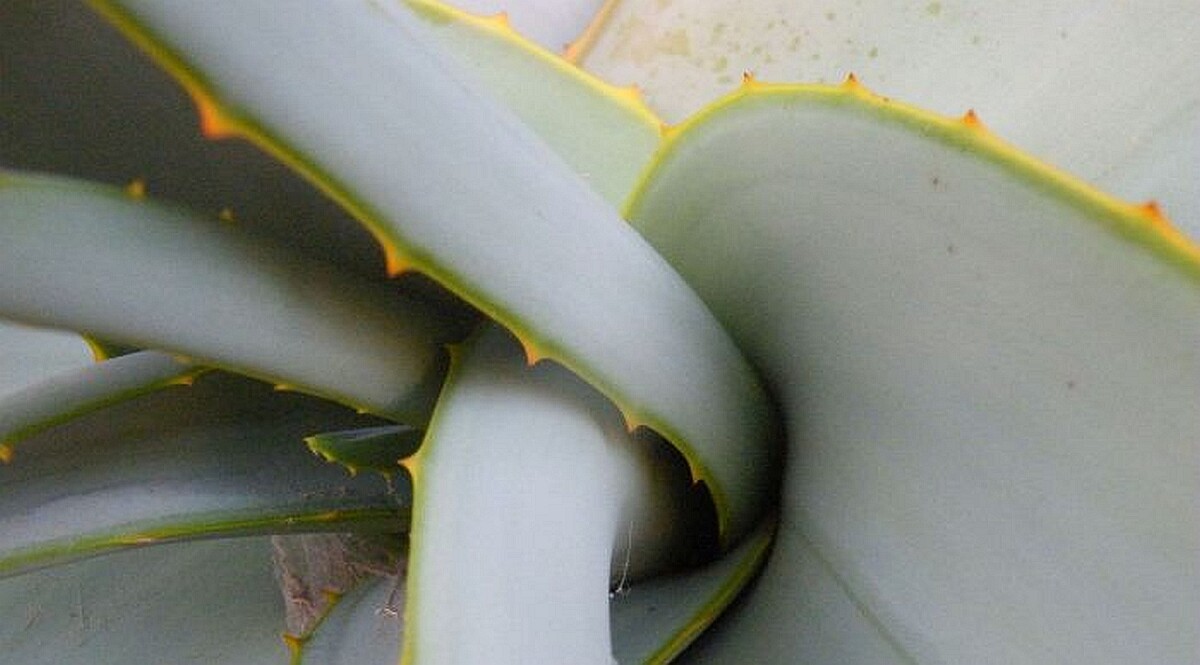
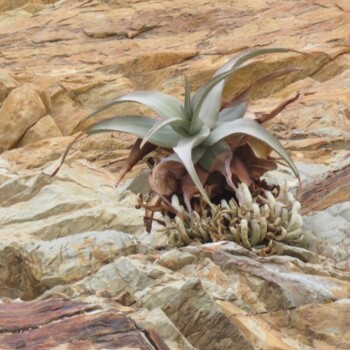
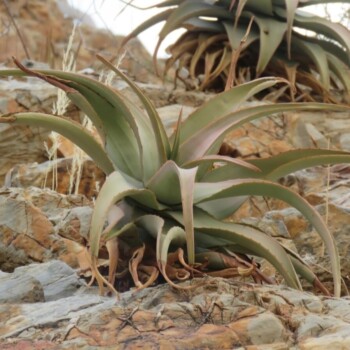
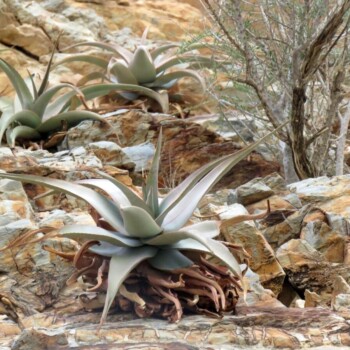
Plants grow as single rosettes that slowly clump with age. Leaves are narrow, firm, and evenly spaced, often gray-green to blue-green, with small, regular teeth along the margins. In good light they color up, and in lean soil they hold a crisp silhouette. Flowering stems rise above the foliage and branch near the top, carrying small tubular blossoms that open in sequence for several weeks; even young plants can flower once established.

Site and soil. Give full sun to bright, open shade, plus fast drainage. On heavy ground, raise the planting area or use a gritty mix in containers. A top-dressing of gravel keeps the crown dry and neat.

Water. Water deeply, then let the mix dry most of the way before watering again. Growth is quicker with regular moisture in warm weather, but plants stay tighter and color better with modest stress. In cool months, keep almost dry.

Feeding. Light feeding in spring is plenty. Too much fertilizer softens growth and dulls color.

Cold. Brief light frost is often tolerated if the soil is dry and well drained. In colder spells, cover outdoor plants, or move containers under shelter.

Grooming and propagation. Remove spent flower stalks near the base and trim any winter-marked leaves in spring. Offsets can be lifted and replanted at the same depth; allow cut surfaces to dry a day before watering. Seed is straightforward in warm conditions with bright light and a gritty, barely moist medium.

Design uses. Repeat plants along a path for rhythm, tuck them into rock pockets, or stage them in shallow bowls where their symmetry shows. They pair naturally with fine-textured grasses, bulbine, dwarf aloes, and small agaves.

Keep it sunny, gritty, and on the dry side. Do that, and Aloe dewinteri will stay compact, color up, and bloom reliably.

Additional Reading: Aloe Care Guide

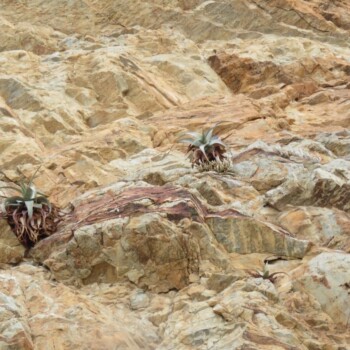
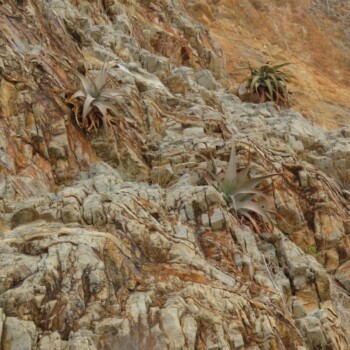
A. dewinteri, is related to A. corallina, which also is confined to dolomite cliffs. A. dewinteri is  larger and solitary.
Leave a Reply