Introduction
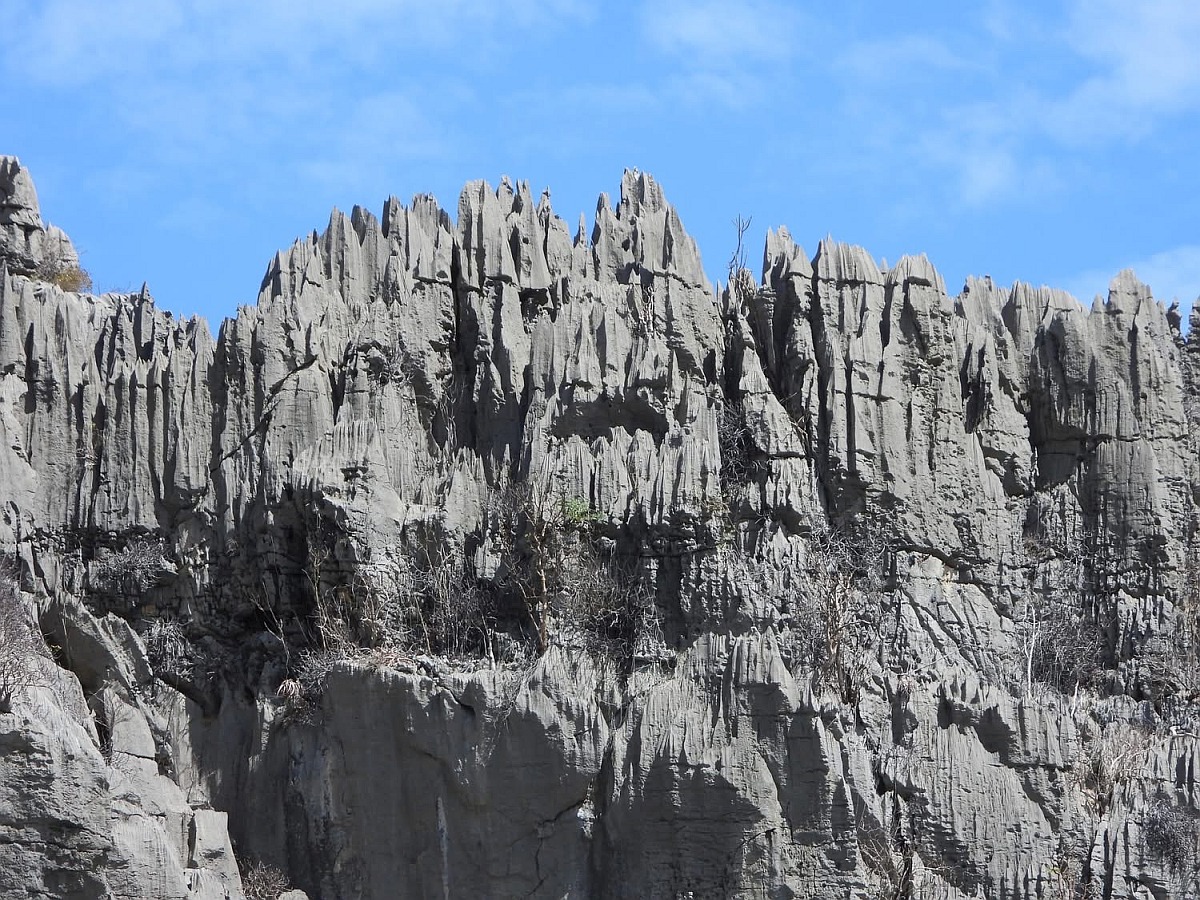
Aloe roeoeslii is a succulent species of the family Asphodelaceae, described in 2005 by John J. Lavranos and T.A. McCoy and named in honor of Walter Röösli, a collector of Malagasy succulents. It is endemic to northern Madagascar, particularly the Ankarana region of Antsiranana Province, where it grows at low elevations (around 150 m) on Jurassic limestone outcrops known as tsingy.
The Details
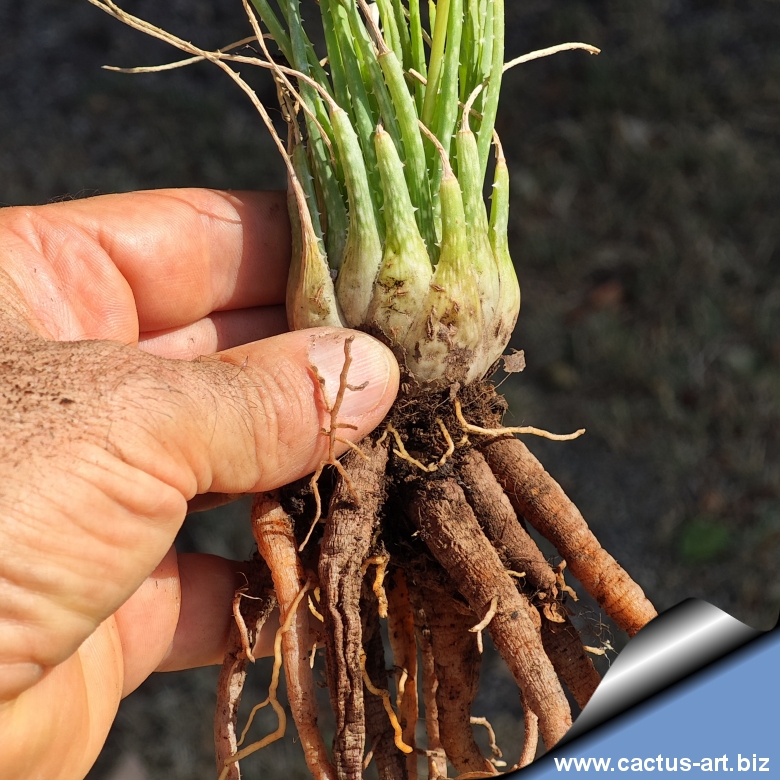
Plants are typically stemless but may rarely form short stems, and they produce narrow, glaucous leaves up to 50 cm long with small cartilaginous teeth along the margins. The foliage often acquires reddish or rosé tones under stress or strong light. Its inflorescences reach nearly 90 cm in height and bear red tubular flowers with paler tips, adapted to bird or insect pollination. Ecologically, the species thrives in open, exposed, and drought-prone habitats on karstic limestone, often co-occurring with other endemics such as Pachypodium decaryi and Uncarina ankaranensis. Like many aloes, it exhibits CAM photosynthesis and morphological adaptations for water storage and sun tolerance. Due to its highly restricted range, Aloe roeoeslii is considered vulnerable to habitat disturbance and is listed under CITES Appendix II to regulate trade and protect wild populations.
The ecology of Aloe roeoeslii is closely tied to the unique karst landscapes of northern Madagascar, where it is restricted to the Ankarana region of Antsiranana Province at around 150 meters elevation. It grows on sharp Jurassic limestone outcrops (tsingy), a habitat characterized by extreme drainage, shallow soils, high sun exposure, and prolonged dry periods. In this challenging environment, the species survives through a suite of xerophytic adaptations, including succulent, glaucous leaves that reduce water loss and reflect sunlight, as well as the use of CAM photosynthesis to conserve moisture by opening stomata at night. Populations are often scattered across exposed rock surfaces, where A. roeoeslii coexists with other endemics such as Pachypodium decaryi and Uncarina ankaranensis, forming a specialized plant community adapted to arid, rocky substrates. Its tubular red flowers suggest pollination by sunbirds or other nectar-feeding agents typical of Malagasy aloes, while its limited range makes it particularly sensitive to ecological disturbance, overcollection, and climate fluctuations.
All photographs are by Amante Darmanin.
Additional Reading: