Introduction
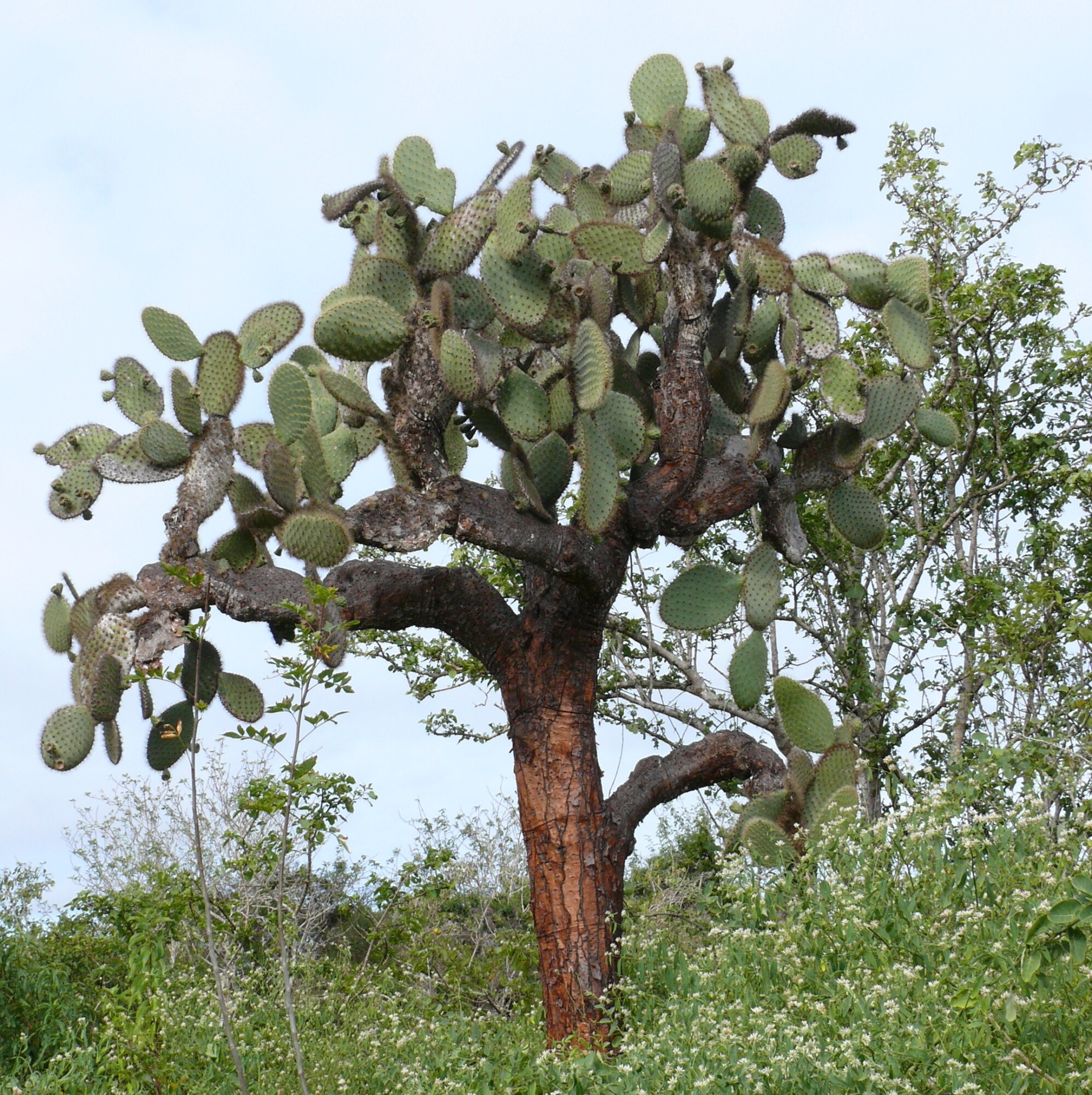
Opuntia stricta, the coastal prickly-pear, is a dune specialist that anchors sandy foredunes and back-beach swales. On these windswept, salt-sprayed margins it forges a defensive alliance with ants. The cactus produces tiny droplets of sugar-rich nectar from extrafloral nectaries on young pads and developing flower buds. Ants harvest the nectar and, in exchange, patrol the plant, harrying or removing many would-be herbivores. In a habitat where seedlings and new pads are already stressed by shifting sand and desiccation, this sugar-for-security trade can make a decisive difference.
The Details
The nectaries of O. stricta are most active on fresh growth—precisely where damage would most reduce future flowering and fruiting. Ant traffic therefore concentrates on the tender margins of new cladodes and around bud clusters, where patrols disrupt caterpillars, beetles, and sap-sucking bugs before they establish. The result is typically less herbivore scarring, fewer aborted buds, and a greater chance that flowers open and set fruit.
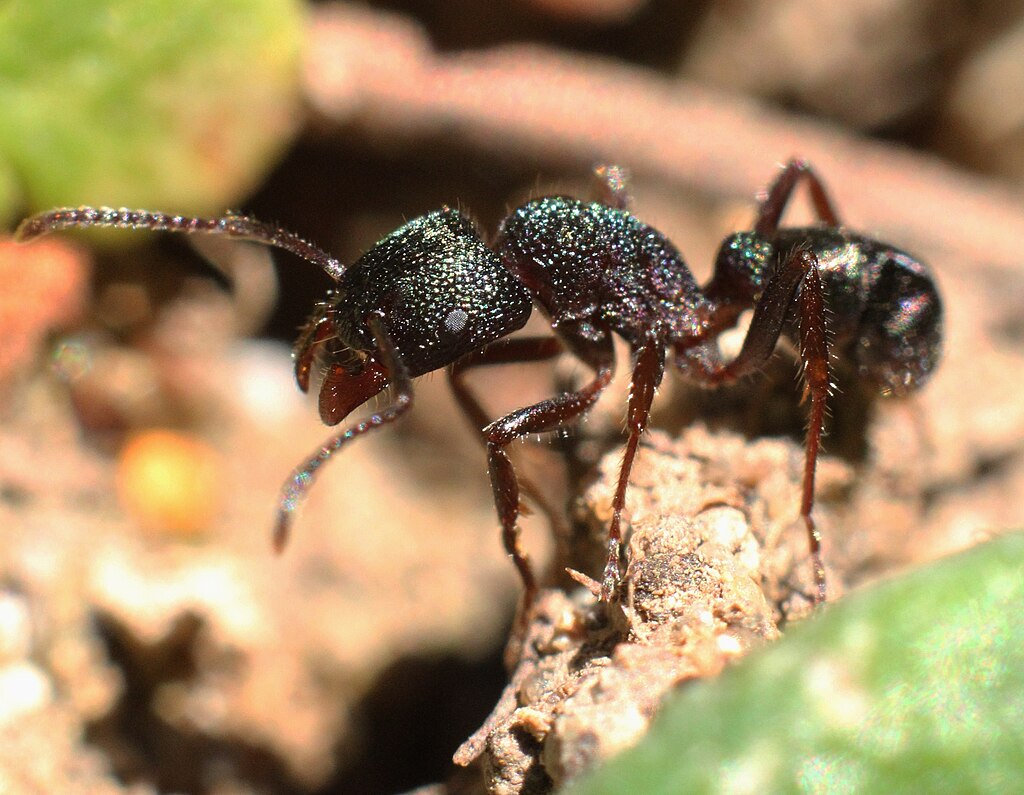
Ant lineups vary across beaches and seasons, but the pattern is consistent: small, fast foragers dominate the patrols, with larger species visiting during warm, calm periods. Activity waxes with daytime temperature and nectar flow, then wanes when sea fog, cool winds, or drying sands suppress secretion. Because most nectaries sit on pads and bud bracts rather than inside open flowers, ants often defend without physically occupying floral tubes, moderating the risk of scaring off pollinators. Even so, outcomes are context-dependent. Dense ant activity at flowers can sometimes interfere with pollination, and in some cases ants may tend honeydew-producing hemipterans that harm the plant. Net effects hinge on ant identity, colony density, and the local herbivore community.
On the beach, spines and glochids alone are not a complete defense. Ants provide a mobile, responsive layer that complements the cactus’s mechanical armor, especially during flushes of spring growth and pre-bloom. The mutualism also fits the dune mosaic: O. stricta offers nectar, shade, and stem crevices that temper microclimate; ants return protection that helps pads mature, flowers develop, and fruits ripen. Where this partnership is strong, plants often appear cleaner and more fecund, producing more viable cladodes and a higher fruit load that fuels dispersal by birds and mammals along the strandline. In short, the cactus stabilizes sand and feeds ants; the ants repay the favor by stabilizing the cactus’s investment in new growth, reproduction, and long-term persistence on the shore.
Additional Reading: Ants and Opuntia