Introduction
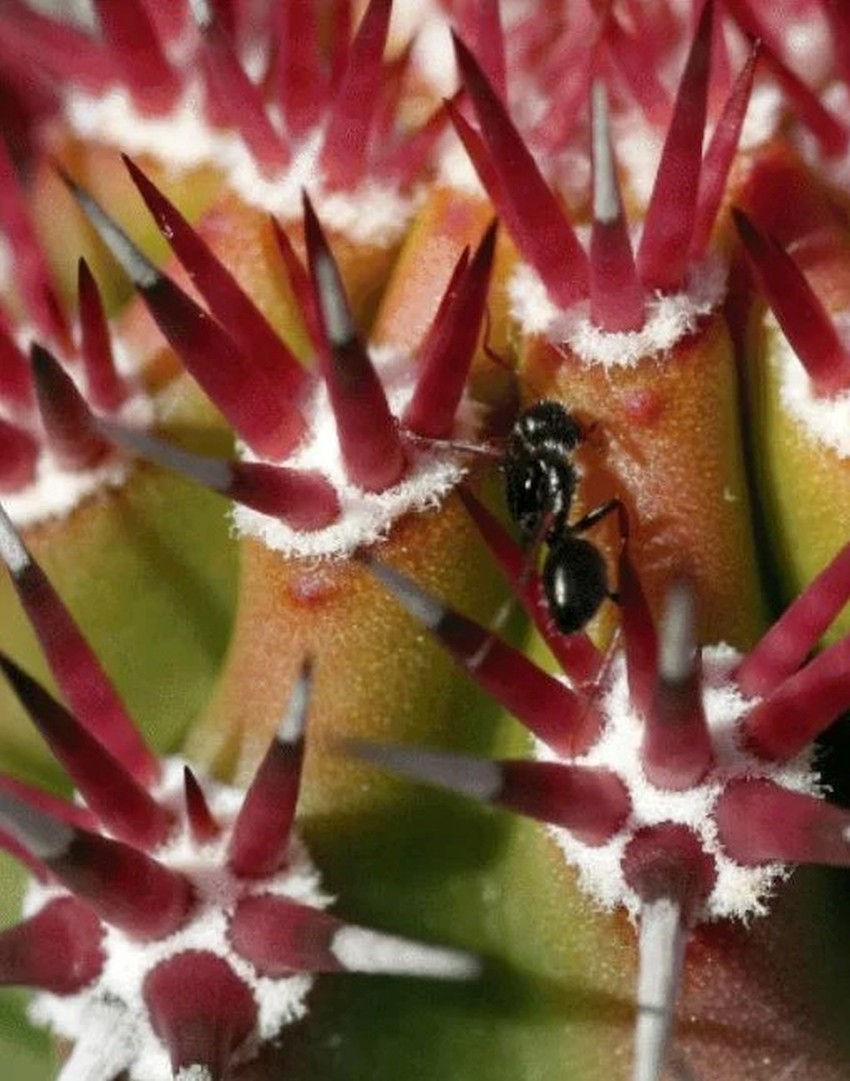
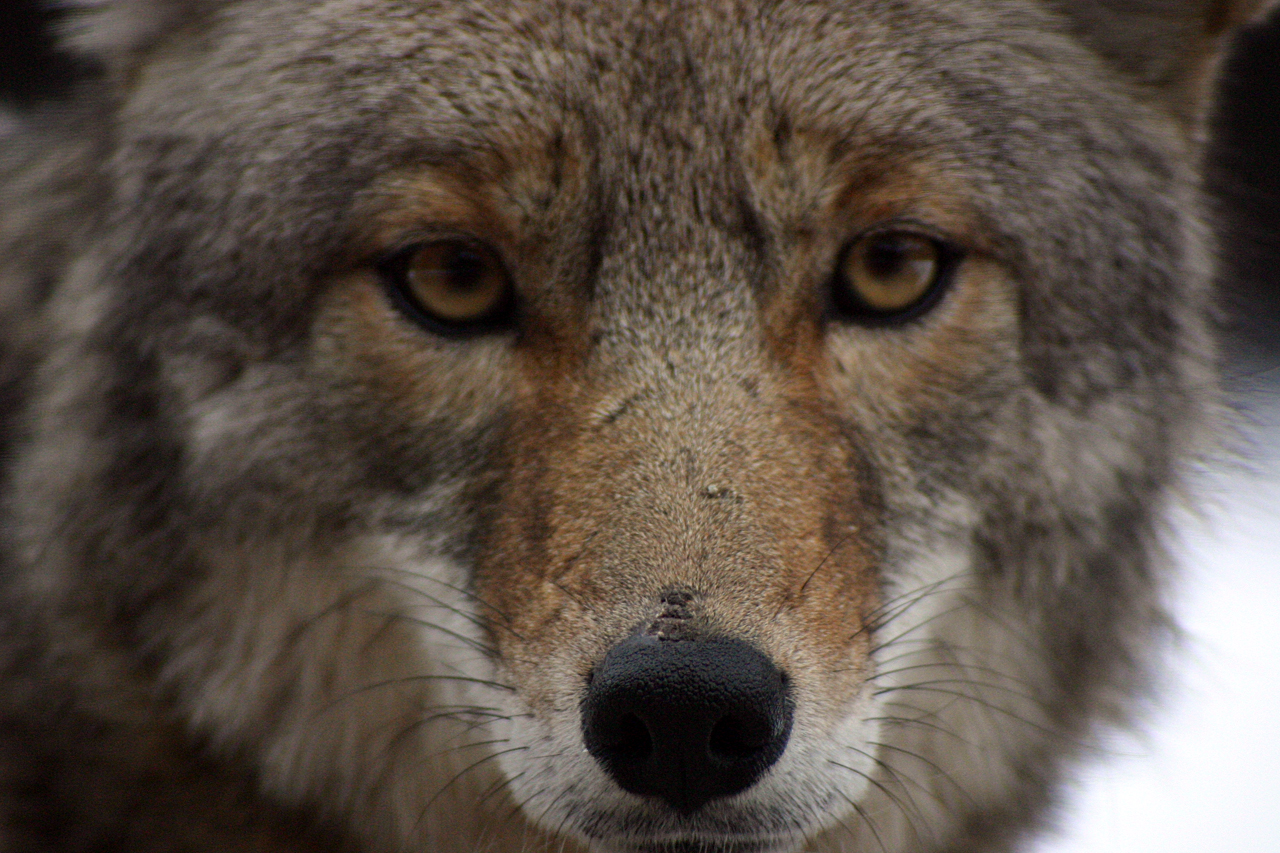
Coastal prickly-pear (Opuntia littoralis) × coyote (Canis latrans)
In coastal Southern California, coyotes eat large quantities of ripe prickly-pear fruits (“tunas”) in late summer and fall. The juicy pulp provides sugars and water; the hard seeds pass through the gut largely intact. Hours to days later, coyotes deposit the seeds—often kilometers from the parent plant—inside nutrient-rich scat.
The Details
This is a classic mutualism. The coyote gains an energy-dense, hydrating food during a dry season. The cactus gains long-distance dispersal, with seeds dropped in small clusters at microsites that are effectively fertilized. Gut passage lightly abrades the seed coat (a form of scarification), which can speed or improve germination. Because coyotes travel on game trails and rest at habitual spots, the resulting “seed shadows” create new prickly-pear patches along movement corridors and at den or bedding sites, helping Opuntia littoralis colonize open coastal scrub and edges after fruiting.
Additional Reading: Opuntia Fruit and Coyotes