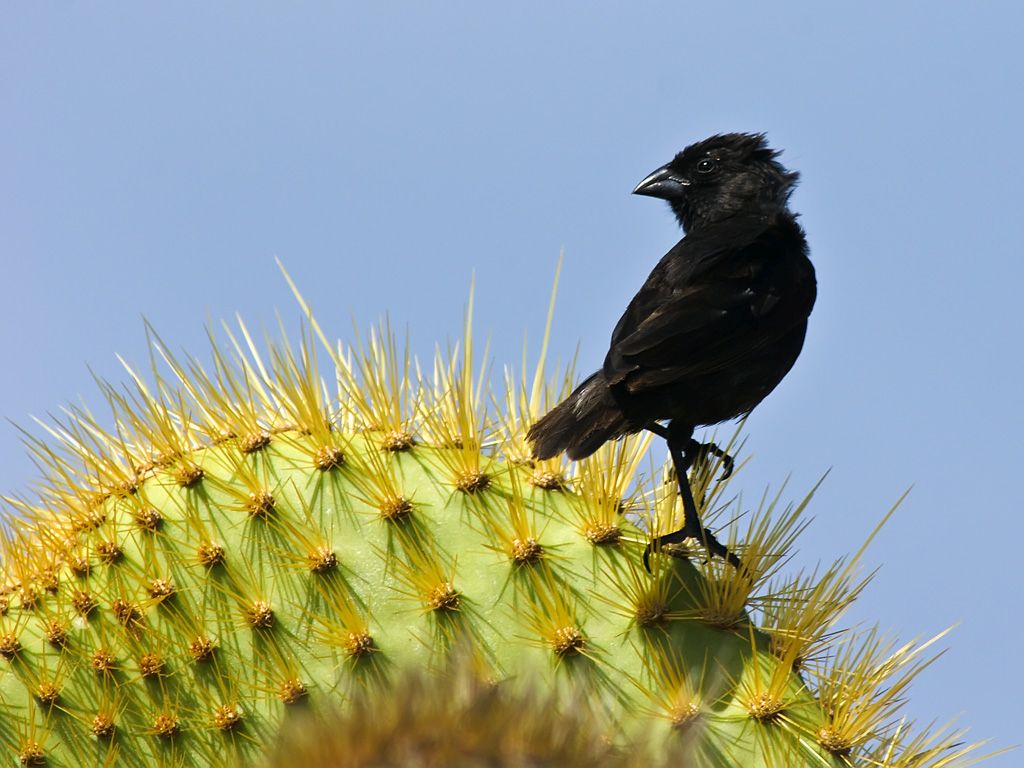
Photo by David Cook
Introduction
Birds and cacti cross paths in more ways than most people expect. Birds sip nectar, carry pollen, eat fruits, scatter seeds, and even carve out homes in tall, columnar stems. In dry country, these interactions help both sides: birds find food and shelter, and cacti gain pollination and dispersal.
The Details
Nectar and pollination
During bloom season, many cacti offer shallow pools of dilute nectar. Hummingbirds visit tubular, red-to-orange flowers such as those on claret-cup hedgehogs and related species. On larger, bowl-shaped blossoms, orioles, finches, and other songbirds sometimes sip at the edges while brushing anthers and stigmas. Even when bats or moths are the primary pollinators, early-morning birds may take leftover nectar and move a little pollen between plants.
Fruit and seed dispersal
When fruits ripen, birds become the main couriers. Thrashers, mockingbirds, towhees, quail, and finches peck open prickly-pear pads to reach the sweet pulp. After the meal, seeds pass through or get wiped off bills, landing away from the parent plant. This simple behavior spreads seeds into new microsites—under shrubs, along rock edges, or beneath fence lines—where seedlings have a better chance.
Housing and protection
Tall, columnar cacti provide real estate as well as food. Woodpeckers excavate nest cavities in thick, water-rich tissue, and those chambers later house small owls, flycatchers, and other cavity-nesters. In spiny thickets—especially chollas and dense prickly pears—cactus wrens and verdins tuck nests where predators hesitate to reach. Spines are a built-in neighborhood watch.
Seasonal timing
In late winter and spring, nectar and pollen support early migrants and local breeders. By summer, ripening fruits add calories and water during the hottest weeks. In dry autumns, lingering, half-dried fruits still offer a snack. Because resources come in waves, bird activity around cacti often surges in short, busy windows.
Notes for gardeners and observers
In home landscapes, a few simple steps make a difference. Plant a mix of flowering cacti and nearby shrubs, so birds have cover between feeding bouts. Leave some ripe fruits in place until birds have worked them over. Provide a shallow water source, and, during the hottest months, refresh it daily. If you are concerned about pecking damage to prized specimens, consider leaving “sacrifice” fruits on one plant while harvesting others.
Bottom line
Cacti are more than tough green sculptures. In bird country, they are nectar bars, fruit stands, and apartment buildings—key pieces of desert habitat that pay their way by recruiting birds to carry pollen and seed to the next safe spot.
Additional Reading: Occurrence of Bird Nests on Jumping Cholla Cacti



Great blog, I’m happy to have the link, fron TooColdFor Cactus. Do my eyes deceive me, or is the bird in the cholla deceased?
Hey,
Thanks for visiting the blog.
Sadly, the bird on the cholla is deceased. Maybe it became entangled in the spines.