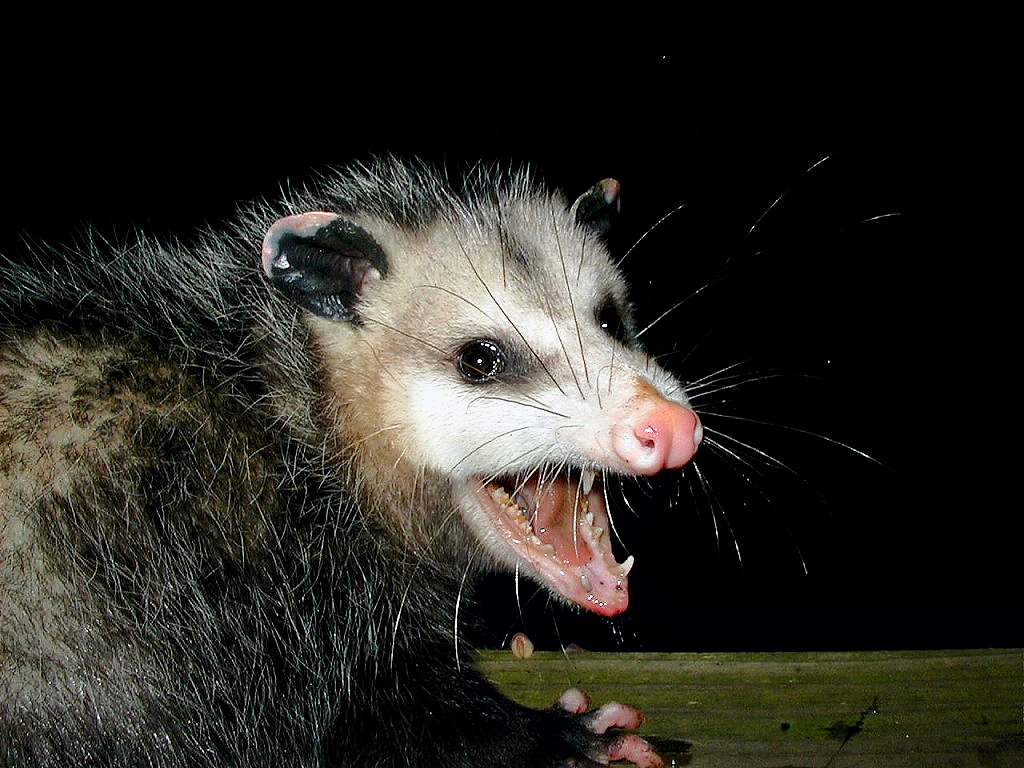
(Photo = Opossum, PiccoloNamek)
Introduction
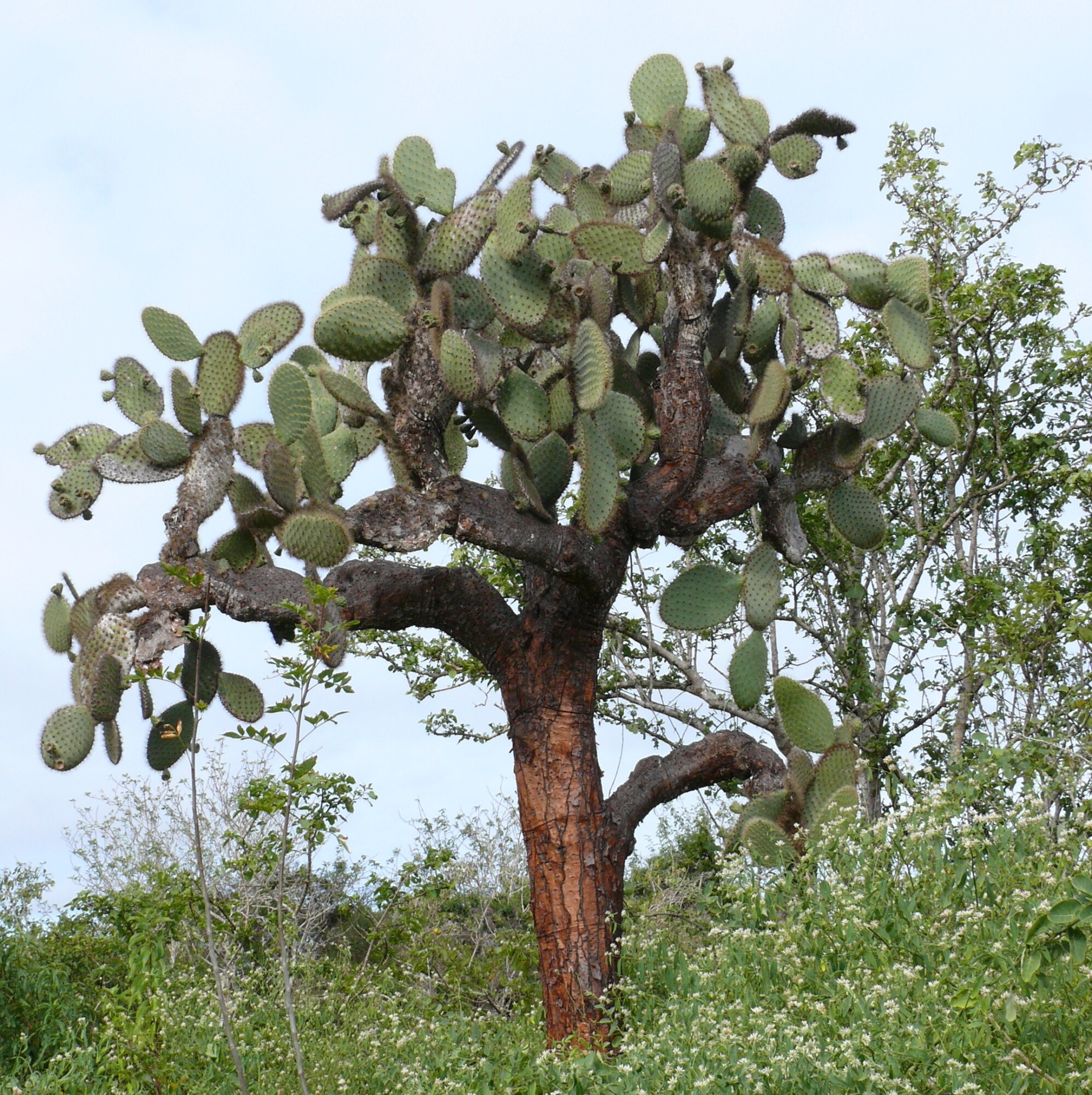
In South Texas, prickly pears (Opuntia spp.) shape understory structure and seasonal food webs. Clones vary in pad size, spine density, fruit color, and timing, so neighboring thickets differ in how they shade soil, buffer heat, and feed animals. Pads and fruits arrive in pulses that match dry-season bottlenecks, and those trait differences set who eats, who shelters, and where new plants establish.
The Details
As forage, pads are drought-season insurance. During late summer and autumn, white-tailed deer and javelina switch to pads for water and energy; heavily spined clones resist that browsing longer, conserving photosynthetic area, while smoother clones give up tissue more readily and subsidize herbivores. On the plant side, CAM photosynthesis, thick cuticles, and shallow, fast-foraging roots let pads recover quickly after brief rains, so clumps that retained enough surface area rebound first and stabilize local cover.
Fruits extend the subsidy into cooler months. Clones differ in fruit size, sugars, and persistence; many hold ripe “tunas” into winter when other resources are scarce. Thrashers, mockingbirds, and small mammals open fruits repeatedly, and carnivores take them opportunistically. After gut passage, seeds land in small, disturbed patches, along fence lines, or beneath shrubs where moderated temperature and litter increase establishment. In those nurse microsites, seedlings gain shade, reduced evaporation, and a slight nutrient boost from droppings.
Across ranchland mosaics, clonal diversity spreads ecological risk. Thorny, dense patches provide microclimate and cover; open, less-spiny patches deliver forage; fruit-rich clones extend dispersal windows. By maintaining a mix of clone types and allowing some patches to age into dense refugia, land stewards keep pollinators, frugivores, and browsers engaged across seasons—and they help the cactus renew itself, pad by pad and seed by seed, through South Texas’ boom-and-bust climate.
Additional Reading: Ecological Characterization of Opuntia Clones in South Texas