Introduction
Desert quiet is part of why people visit, but it is easy to lose. Off-road vehicles, low-flying jets, highway hum, busy campgrounds, and portable speakers add steady sound that carries far across open ground. After a few minutes, the place feels different—less spacious, less detailed.
Introduction
Desert quiet is part of why people visit and live here, but it is easy to lose. Off-road vehicles, low-flying jets, highway hum, busy campgrounds, and everyday community sounds carry far across open ground and along washes. After a short time, the place feels different—less spacious and less detailed.
The Details
Sound travels well in dry air, and it carries even farther along washes, canyons, and flats. Low rumbles from highways and generators can be heard miles away, especially in the evening and early morning. Two-stroke engines and side-by-sides throw sharp bursts that reflect from rock walls. Military training flights, helicopter tours, and general aviation arrive as short, very loud events that briefly erase everything else.
For people, constant noise masks small cues—wingbeats, insect buzz, a lizard’s sprint—so the desert seems flatter and closer to town than it is. For wildlife, masking has practical costs. Animals use sound to find food, avoid predators, defend territories, and coordinate with mates or young. When human noise overlaps those frequencies or times of day, animals may pause, shift activity into darker hours, sing less, or spend more time on vigilance. Over a weekend or a season, that changes behavior budgets and habitat use.
Everyday community noise
People who live and work in the desert also add steady sound. In residential areas, well pumps, water trucks, generators, yard tools, dogs, music, and target practice are common sources. On rural properties, ATVs and side-by-sides used for chores, irrigation pumps, and construction activity can project far, especially across open flats. In small towns, events, traffic, and shop compressors create a background that reaches nearby washes and foothills.
Aircraft
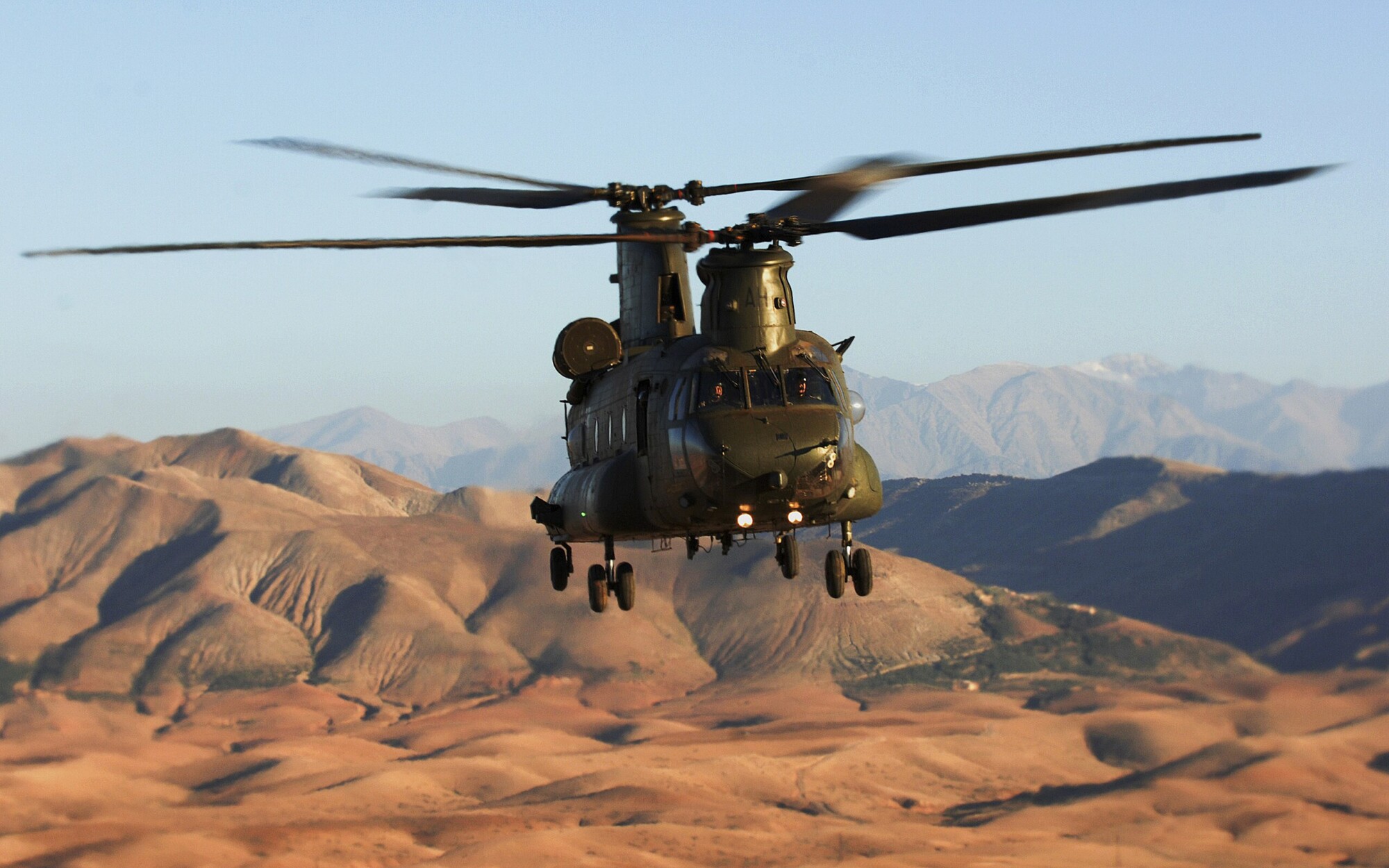
In many desert regions, aircraft noise is routine. Training corridors, helicopter routes, sightseeing flights, pipeline patrols, wildfire operations, and general aviation pass overhead. Because the air is dry and terrain is open, a single pass can dominate the soundscape for minutes, with echoes off canyon walls extending the event.
Practical ways to keep it quiet
-
On roads and trails, stay on existing routes, and keep speeds down near washes and canyons where sound funnels.
-
In camp and at home, limit generator hours, maintain mufflers, place loud equipment behind a berm or building, and skip external speakers.
-
For residences, schedule the noisiest chores for midday when wildlife is less active, and establish neighborhood quiet hours.
-
For visitors seeking quiet, choose sites away from OHV areas, towns, and known flight paths; pick campsites away from rock walls that reflect sound.
-
For community spaces, use signage and simple norms (quiet after dark, no throttle blips in camp, no target shooting near washes).
Bottom line
The goal is not silence; it is a soundscape where natural cues can still be heard. With a few choices about routes, timing, equipment, and community norms, the desert keeps more of its working quiet—for residents, visitors, and the animals that depend on it.
Additional Reading: Noise Pollution