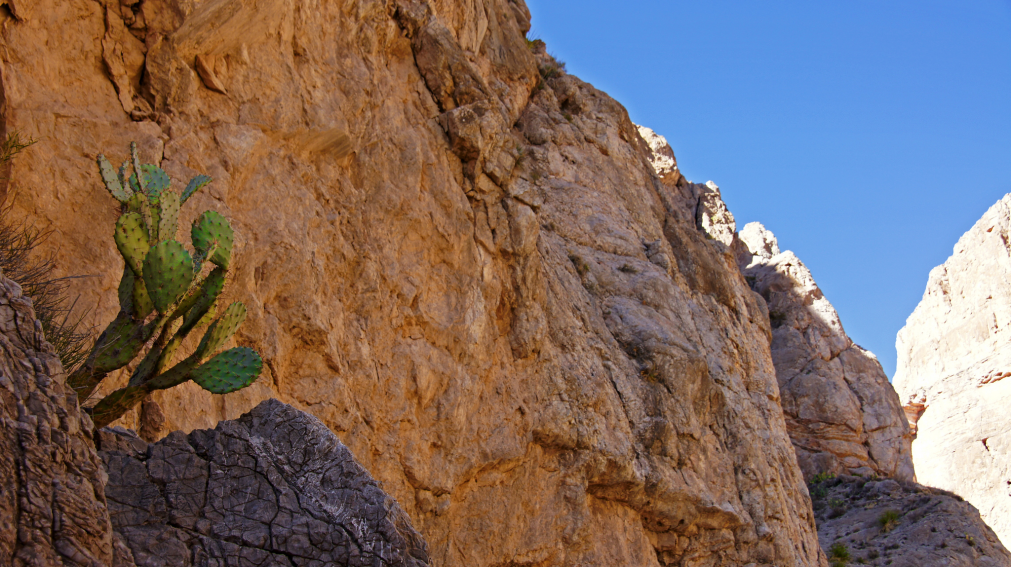
The Ricktersveld

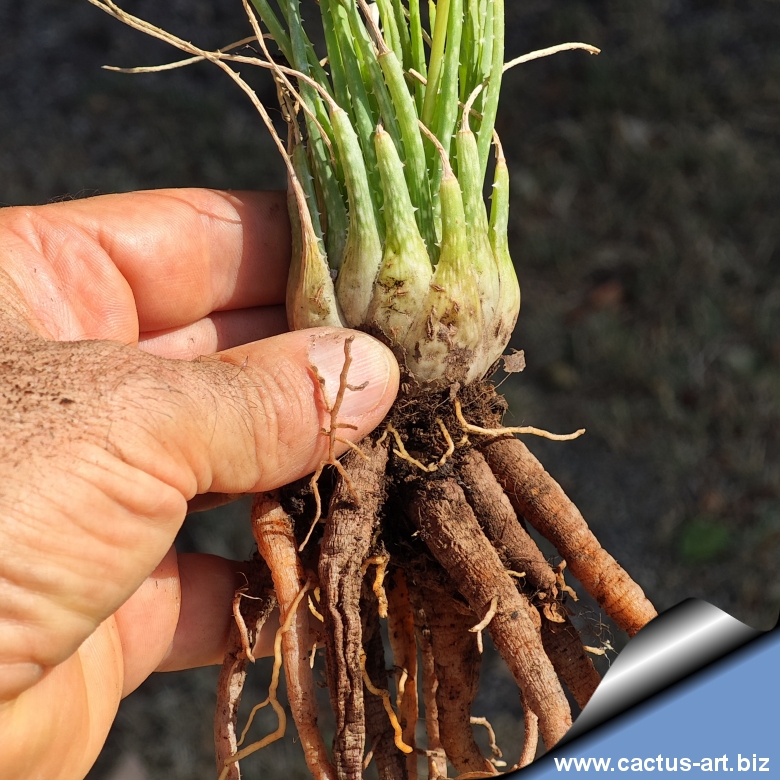
(Photograph = Albuca sp, Paul Godard)

Introduction

In late winter and spring, when small cold fronts or coastal fog reach the far northwest of South Africa, the Richtersveld’s gravel plains and quartz patches flash with flowers for a short, brilliant window. As part of the Succulent Karoo, this “mountain desert” pairs very low rainfall with unusually high plant diversity.

The Details

Flowers first: daisies—Dimorphotheca, Ursinia, and Arctotis—lay down swathes of orange, yellow, and white, while quick-blooming bulbs such as Lachenalia, Moraea, Hesperantha, and Romulea rise from underground stores after winter moisture. On calm, sunny middays, beetles, solitary bees, and bee-flies work the open flowers, then petals close again as temperatures drop or winds pick up.

Across most of the year, succulents define the scene. On white quartz flats, “stone plants” in the ice-plant family—Conophytum, Argyroderma, and Lithops—mimic pebbles and expose only tiny “windows” to the sun. On rocky slopes, shrubby crassulas and othonnas occupy cracks that trap runoff, while quiver trees (Aloidendron dichotomum) and the halfmens (Pachypodium namaquanum) punctuate hillsides where fog and rare showers allow growth.

Animals track these pulses. Klipspringer and rock hyrax browse on boulder slopes; Hartmann’s mountain zebra and springbok follow brief green flushes after rain; at night, aardvark, bat-eared fox, and small rodents stay active in cooler air. Reptiles shelter under stones that buffer temperature, and sunbirds and seed-eaters move through when nectar and seed are available.

For visitors and residents alike, careful use keeps the system resilient. On designated tracks and footpaths, staying off fragile quartz fields and avoiding off-road driving protects slow-growing succulents. With patient recovery times in a desert that survives on millimeters of rain, light footprints help preserve the flower pulses, the succulent specialists, and the wildlife that depends on them.

Additional reading: The Lost World of the Richtersveld

Leave a Reply