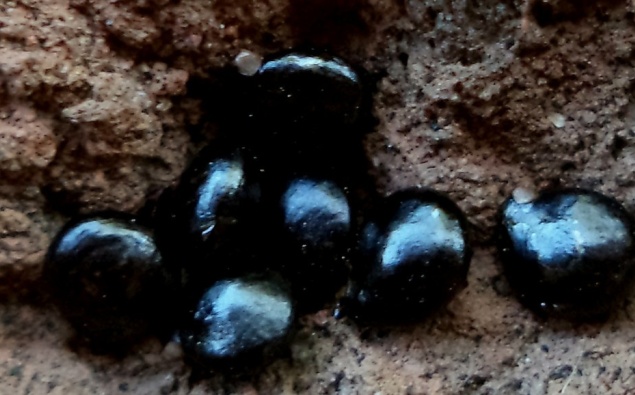
(Photograph: Cactus-seeds, Alfredo Eloisa)
Introduction
Soil seed banks are formed by many plants. Seeds are dispersed after flowering and can survive for years in the soil. In deserts, seed banks help plants avoid “wasting” a germination during brief, poorly timed showers. By holding across seasons, seeds from many flowering years can accumulate and wait for unusually good conditions.
The Details
Some species germinate only when seeds receive both light and moisture; others need warmth and water; still others have internal dormancy that delays germination for a set period.
Ferocactus wislizeni (barrel cactus) fits this pattern. Its small seeds persist in the soil, lose dormancy during dry storage (after-ripening), and show a light requirement—so they tend to sprout when disturbances or movements bring them near the surface with the right moisture and temperature. In field tests, a portion of the annual seed crop escaped post-dispersal predation and remained viable in and on the soil for at least 18 months, allowing big seedling cohorts to appear in especially favorable seasons.
Aloe marlothii builds seed banks that can germinate after fire has killed parent plants—insurance against stand-level loss. Harrisia fragrans seeds can also persist for years, likely buffering the species against occasional hard freezes. In South Africa’s Karoo, over 100 succulent species are reported to form seed banks, a sensible hedge where drought can last for years.
Additional Reading: Ferocactus wislizeni seed banks
Additional Reading: The importance of seed banks