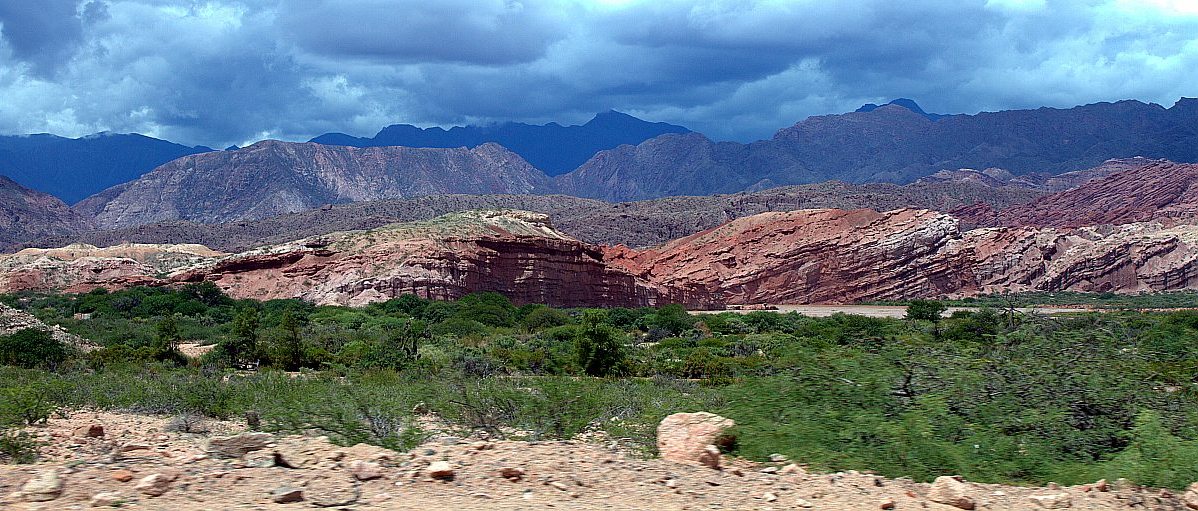
(Photograph = scenery along the Conchas River)
Introduction
Along the Conchas River, red cliffs, pale sandbars, and a narrow ribbon of willow make a clean composition. From bend to bend, the light shifts, the water braids and slows, then gathers again. On high terraces, desert plants hold their ground; on lower bars, fresh silt shows where last season’s flood ran. In late afternoon, when heat lifts and air steadies, the canyon seems to breathe—quiet stretches broken by a splash, a wingbeat, or a distant call.
The Details
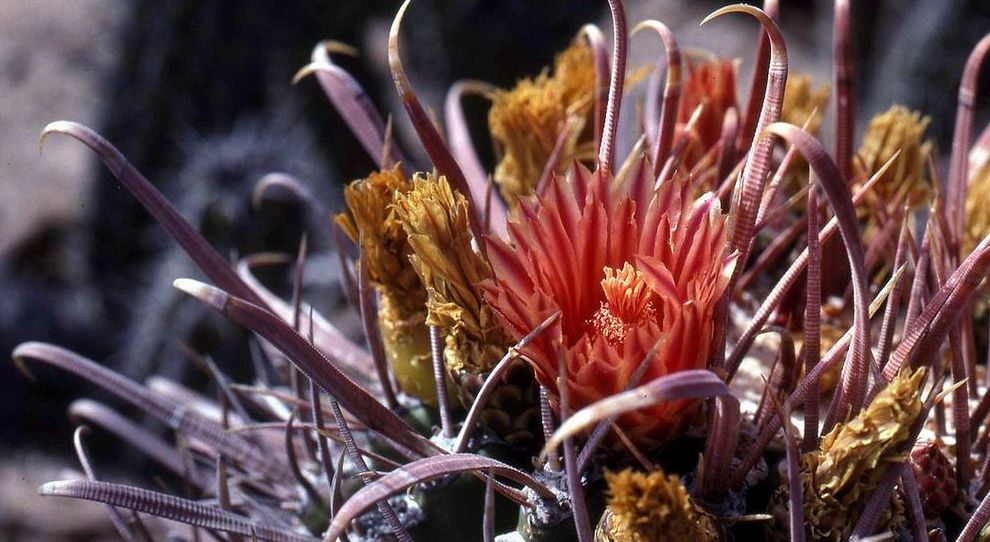
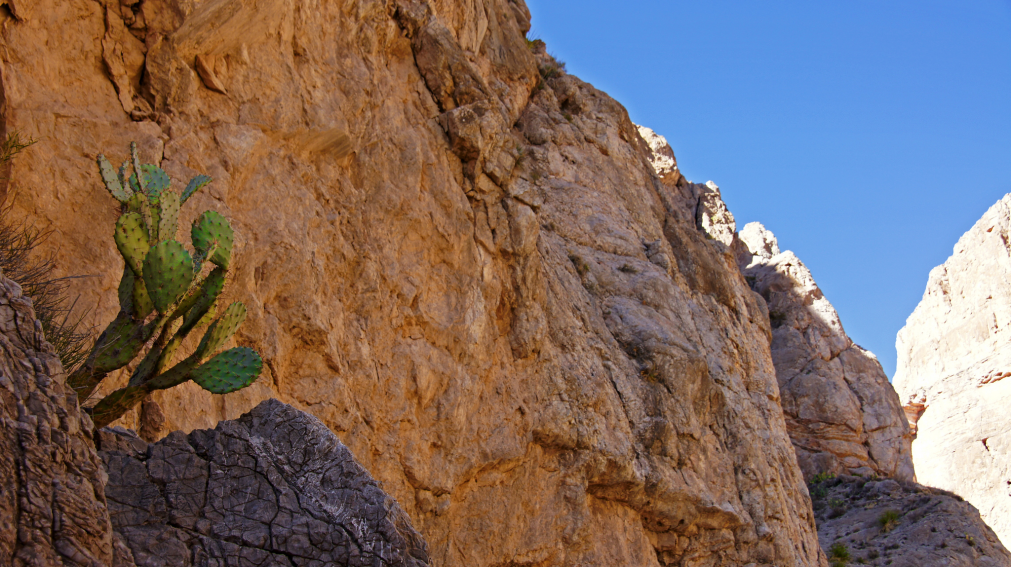
From the first overlook, the structure is obvious: a pale, silty channel; a seam of riparian green; talus giving way to iron-red walls. On ledges and aprons, columnar Echinopsis (the big, saguaro-like forms), Cereus, and broad, low Opuntia anchor the slopes. On stonier benches, Austrocylindropuntia and Tephrocactus tuck into pockets; on darker, basalt-studded patches, you may find Denmoza or a tough Gymnocalycium. Between stones, cushion plants and wiry grasses claim the few centimeters of soil that collect behind pebbles and along small breaks.
At pullouts above wide meanders, warm wind rises in a steady draft. Into that lift, swallows stitch quick arcs, and caracaras ride from terrace to terrace. Along the inside curves, new bars sit high and dry by midday; along the outside curves, cutbanks show fresh faces where the current bites. In those faces, roots hang like fringe, and the layers tell a short history—coarse gravel from a fast year, finer silt from a quiet one.
On mid-slope benches, plants sort by angle, texture, and exposure. In shallow soil over bedrock, roots chase cracks; on deeper fans, shrubs form low hedges that trap litter and seed. Even a few meters matter: one step puts you in a different rule set for heat, wind, and water. After brief rain, darkened rock traces the run of water lines, then fades back to ocher and brick; where sheet flow slows, fine seed gathers and disappears into grit.
At dusk, when the cliffs cool and shadows lengthen, the river’s surface goes flat, and reflections sharpen—every ledge and snag doubled, every bird passing twice. From the last overlook, campfires blink on, and the road pulls toward the next bend.
In this corridor, distance looks grand, yet the story lives in small things—where water eddies, where sand piles, where Echinopsis, Cereus, and Opuntia grip and hold. Along the Conchas, the pattern repeats with just enough variation to keep you looking: a river working its edge, a canyon holding its color, and life taking the narrow chances moving water leaves behind.
Related Reading: Argentina Geography