Introduction
When we ask “Who is Echinocereus related to?”, we are really asking how the hedgehog cacti fit into the broader cactus family. As with many genera, older, look-based groupings have been refined by newer comparisons, and a few familiar names have shifted.
The Details
Within modern classifications, Echinocereus sits in the same broader branch as several North American desert genera rather than with South American groups that only look similar. In other words, it is closer to the “Southwest and Mexico” line of cacti than to the globose Andean types people sometimes associate with it by appearance.
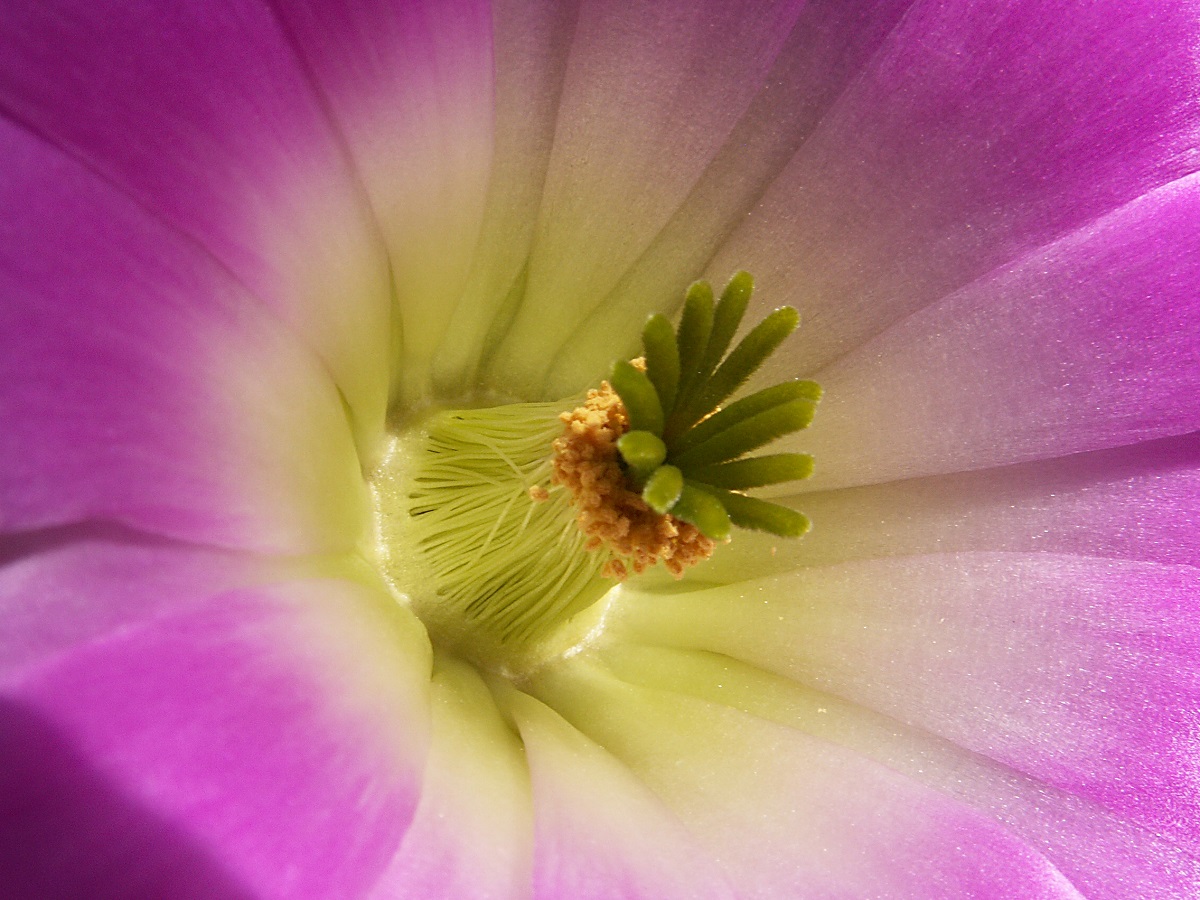
A useful reminder is that Echinocereus shows a mix of traits typical of that North American branch: stout ribs with distinct areoles, funnelform flowers with a greenish throat, and fleshy, usually edible fruits whose spines slough off as they ripen. Pollination leans heavily on native bees across much of the genus, while the red, tubular “claret-cup” complex is famously bird-pollinated.
Formerly separate, slender, night-blooming plants once called Wilcoxia are now treated within Echinocereus. That update makes sense—those thread-stemmed species share key features with their thicker-stemmed cousins despite their different look. It also explains why you may still encounter legacy names in books or on labels.
What about neighbors that often appear in the same habitats? Ferocactus and Thelocactus are part of the same broader alliance, even if their bodies and flowers differ. By contrast, superficially similar globose genera from farther south are not close relatives; they converged on similar shapes under similar conditions.
Take-Home
Think of Echinocereus as a North American hedgehog line with some very different “cousins”—barrels and thelocacti—nearby on the family tree, and its thread-stemmed forms folded in rather than set apart. That picture helps make sense of its pollination modes, fruit types, and the company it keeps in the desert.
Additional Reading: Phylogeny in Echinocereus