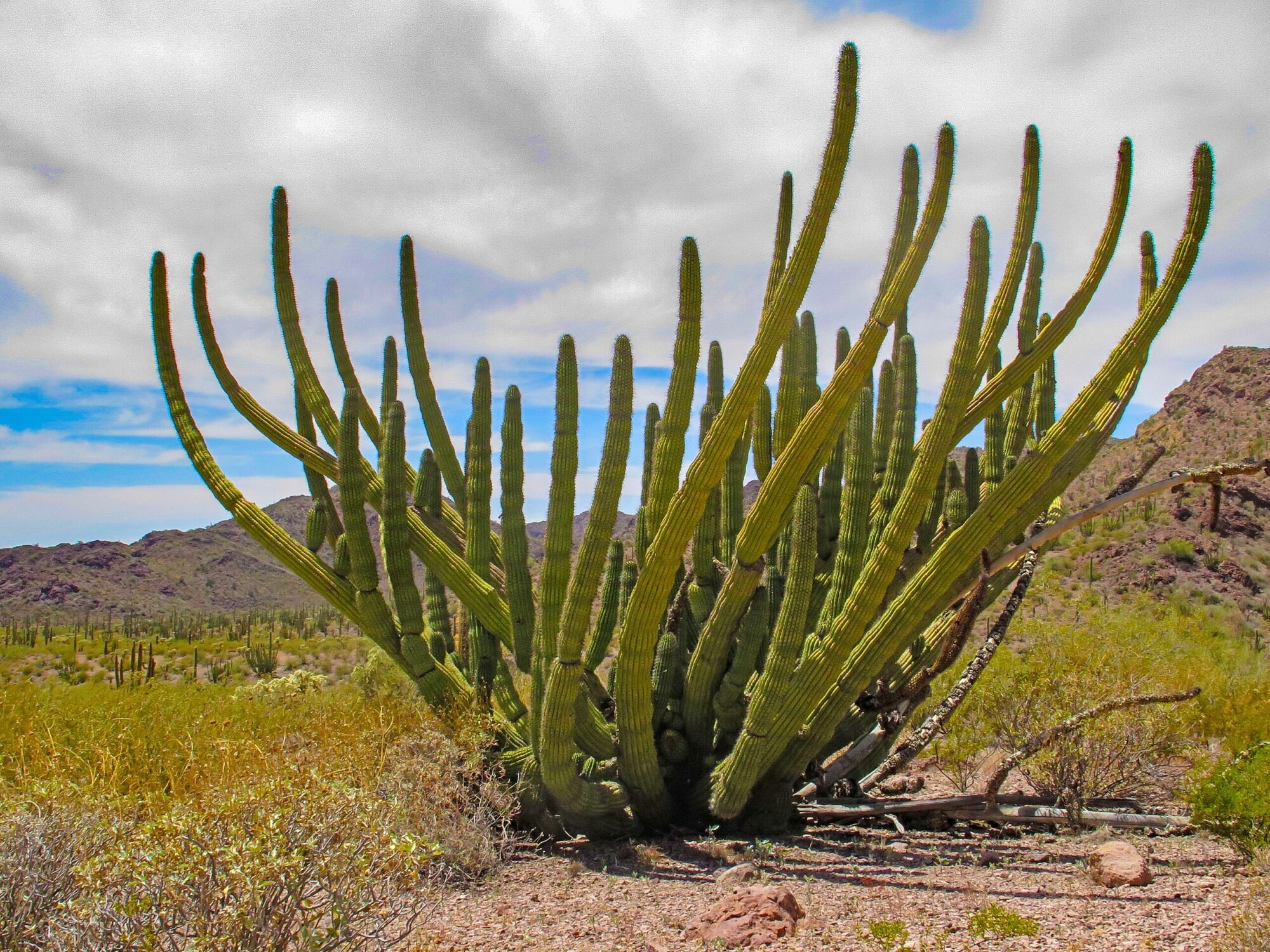
(Photo = Organ Pipe National Monument, Burley Packwood)
Introduction
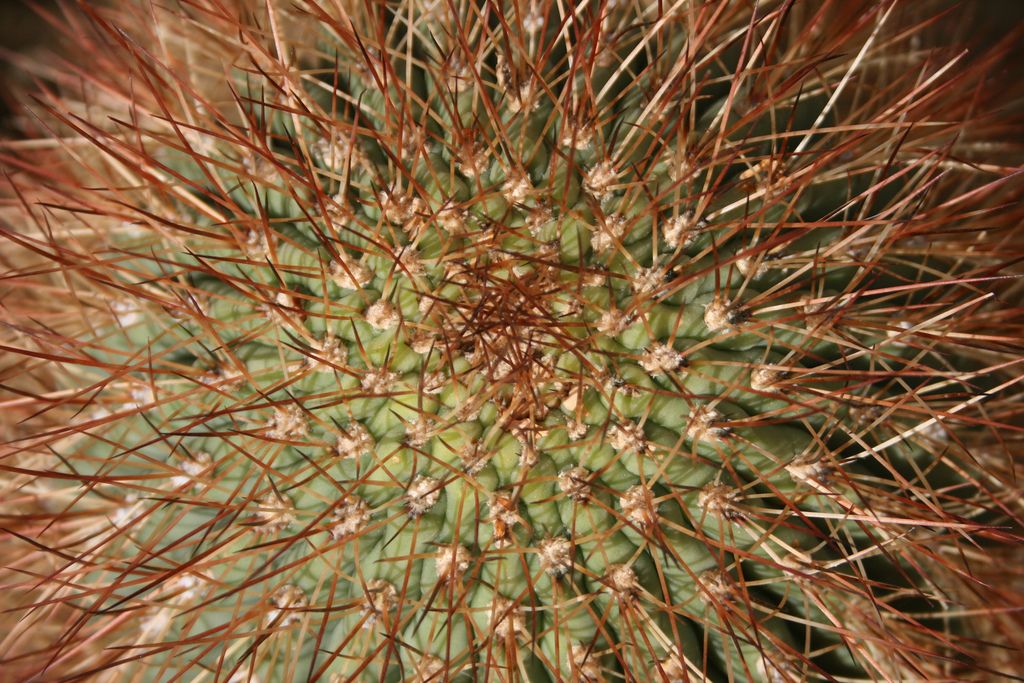
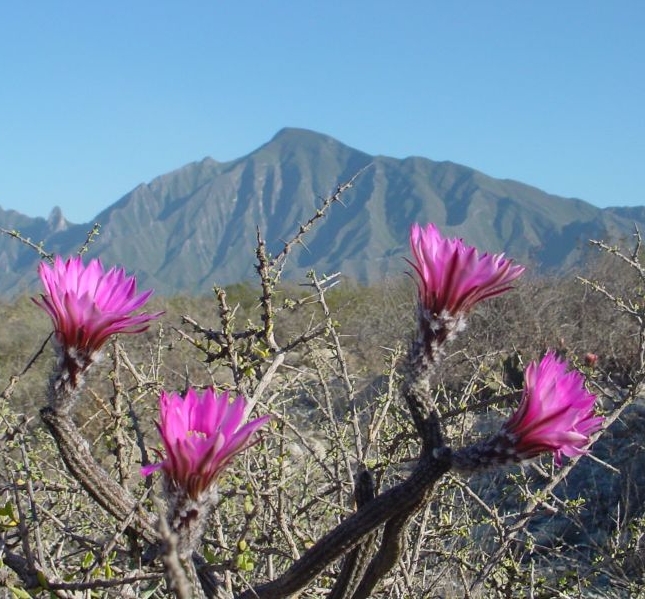
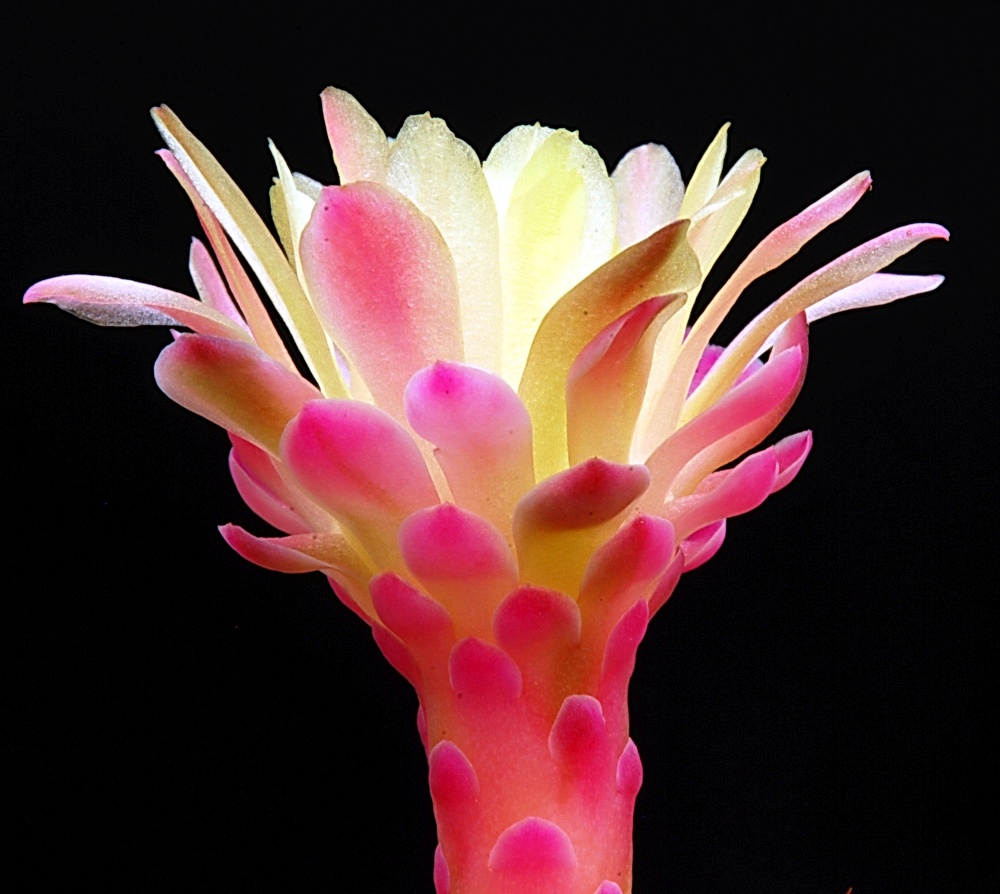
Organ pipe cactus (Stenocereus thurberi) doesn’t bloom on a fixed calendar. A three-site, three-year study across the Sonoran Desert shows that both plant size and local weather shape when and how long these cacti flower. At the southern site, the season stretched to roughly four months; at the northern site, it compressed to about two. Each population showed a single seasonal peak, but the timing of that peak differed by latitude.
The Details
Bigger mattered. Large plants opened more flowers, started earlier, and kept blooming longer than small plants. That means a population’s size structure—how many big versus small individuals it contains—can shift the apparent “population-level” phenology all by itself.
Weather set the frame. Variation in winter low temperatures was the best predictor of when flowering began. Warmer autumn–winter maximum temperatures were linked to a longer overall season. Hotter spring maximum temperatures lined up with tighter synchrony (more plants in bloom at the same time). Interestingly, synchrony tended to increase when individual plants had shorter personal flowering windows—so a narrow individual schedule can create a sharper community-level peak.
Together, these patterns hint at clinal (latitude-linked) differences that likely reflect multiple pressures: climate, local resource economics, and the timing of migratory pollinators (e.g., nectar-feeding bats). In places where plants can attain a large size, some of those pressures may ease, allowing longer, earlier, and more flower-rich displays.
Additional Reading: Annals of Botany