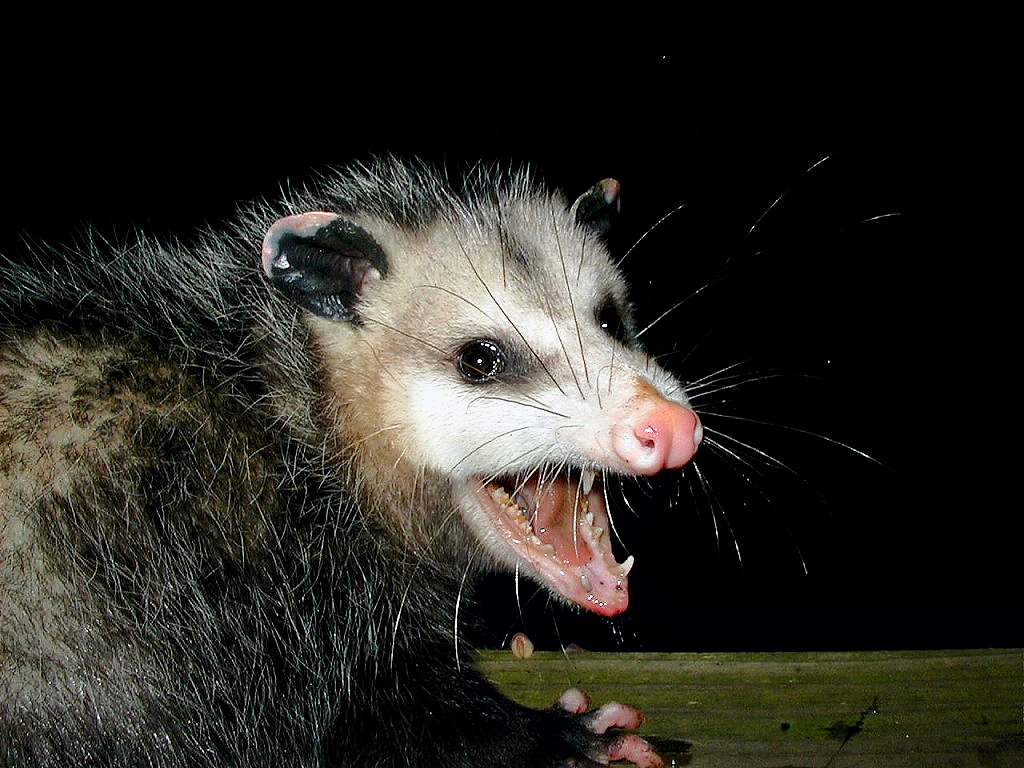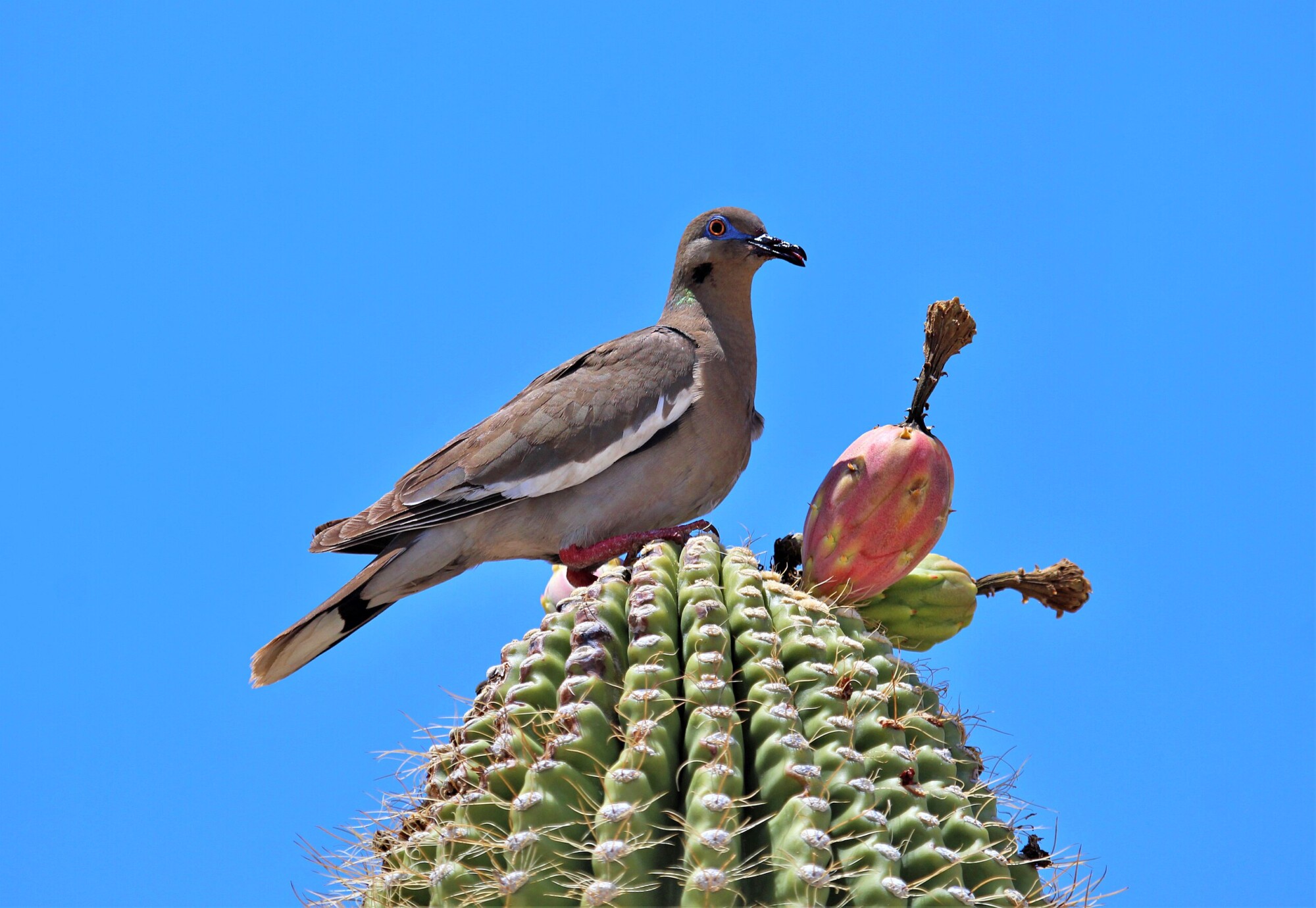
(Photograph = Phainopepla nitens, Andrew Johnson)
Introduction
After birds eat cactus fruit, they don’t disappear at random—they follow routes and routines that shape where new cacti can grow. Most fly to familiar perches or cover, then rest, preen, and digest. The seeds they carry are dropped under those perches or along the flight path, creating “seed shadows” that pattern the next generation.
The Details
Perches and seed shadows
In open desert, birds often move from a fruiting cactus to sturdy perches—shrubs, small trees, fence lines, and power poles. Under those perches, you’ll frequently find piles of seeds or small seedling clusters, especially beneath nurse plants where shade and leaf litter help young cacti survive.
Guts and germination
As seeds pass through a bird’s gut, pulp is stripped away and the seed coat may be lightly abraded. For many cacti, that cleaning step improves germination compared to seeds left sticky with fruit sugars. The digestive trip also spreads seeds out over time and space, reducing crowding beneath the parent plant.
Flight distances
Some birds barely hop to the next perch; others commute hundreds of meters between feeding and resting spots. The result is a mix of short- and medium-range dispersal: dense seed rain near perches and parent plants, plus a sprinkling of seeds farther away that can found new patches.
Who’s doing the work
In the Southwest, thrashers, mockingbirds, finches, doves, and cactus wrens commonly eat cactus fruits. Larger birds sometimes tear open tough fruits first, making it easier for smaller birds to feed and join the dispersal effort.
Timing matters
Many cacti ripen fruit during warm months when bird activity is high. After morning feeding, you can often trace a loose arc of perches by looking for droppings with seeds beneath them. Later in the day, as heat builds, birds spend more time in shade, shifting seed deposition toward cooler microsites.
What it means on the ground
Because birds favor safe, shaded perches, seeds concentrate under shrubs and small trees—the very places where cactus seedlings are most likely to survive. That pairing of bird behavior with better microsites is a big reason you so often find young prickly pears and other cacti establishing at the edges of bushes.
A simple field check
After a fruiting flush, look beneath a favorite perch or nurse shrub within sight of fruiting cacti. You’ll often see red-stained droppings, seeds, and, weeks later, tiny round cotyledons pushing through the litter—evidence of where the birds went and what they left behind.