Cacti Are Cool
Introduction
Cacti are built for extremes. They store water in thick stems, open their leaf pores mostly at night, and defend themselves with spines that also cast a little shade. The result is a family of plants that look like sculpture and behave like survivalists—quiet, tough, and surprisingly elegant when they flower.
The Details
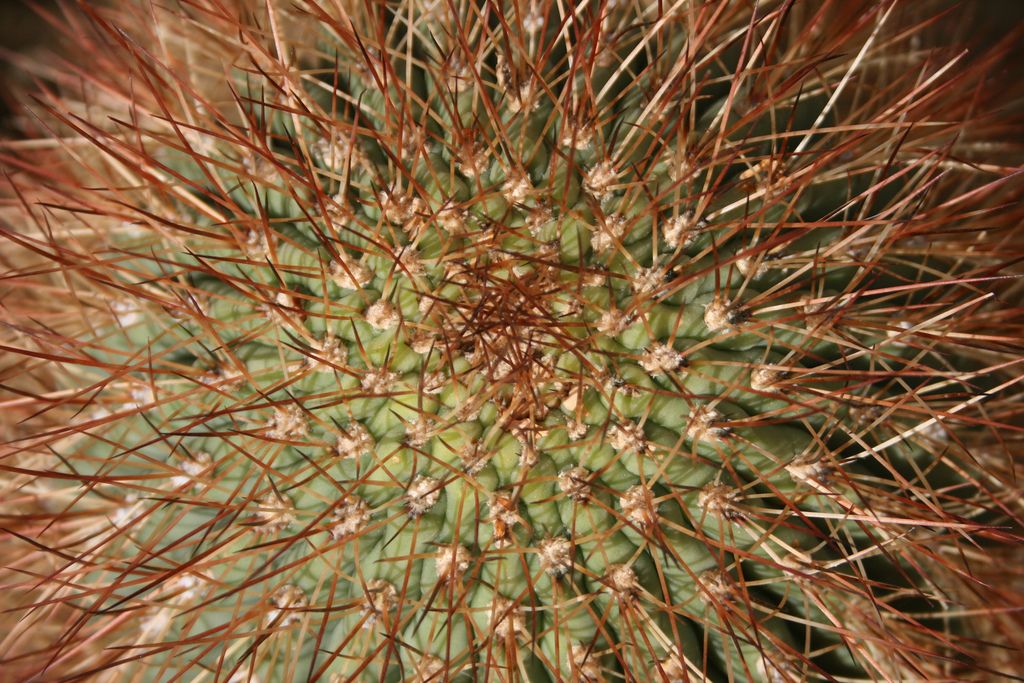
What makes them so compelling is the mix of form and function. Ribs let stems expand after rain, then slim down during drought. Areoles—those neat little pads—produce spines, flowers, and new growth. Glochids on prickly pears demand respect, but they also deter grazers that would strip plants bare. Even the skin earns its keep, with waxy coatings that slow water loss and give certain species that pale, blue-green glow.
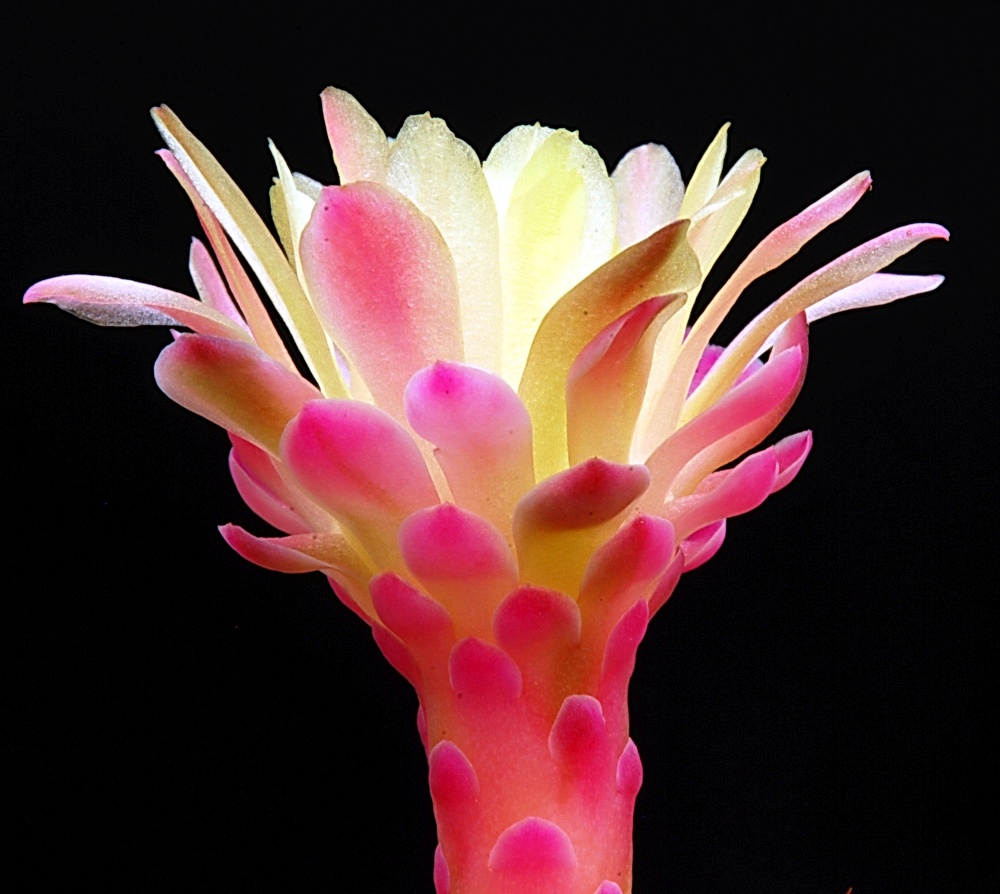
Cacti also reward patience. Many bloom on a schedule tied to day length, night temperature, or a stretch of clear weather; you wake up one morning, and the plant has thrown a crown of flowers that lasts a day, a week, or a season. Some open at dawn and close by noon; others wait for evening, when the air is cooler and the fragrance carries.
Indoors, success is mostly about light, drainage, and restraint. Give plants the brightest window you have, use a fast, gritty mix, and water deeply but infrequently—soak, then let the pot dry almost completely before the next drink. Outdoors, plant slightly high in the bed, avoid low spots that collect winter wet, and use a top dressing of gravel so stems stay dry at the base. In cold climates, choose forms that tolerate your winters; in hot, humid summers, favor kinds that appreciate airflow and a chance to dry between storms.
A few practical notes help keep things pleasant. Move plants with tongs or a folded strip of cardboard, not bare hands. Label new acquisitions while you still remember the details. When you repot, step up one size at a time, and resist the urge to “fix” everything with fertilizer—cacti want bright light, space, and time more than a heavy feed.
Part of the appeal, of course, is how they look. Columns cast clean shadows, barrels anchor a path, and prickly pear pads build a living lattice that shifts with the light. In a tray or a bed, contrasting textures make the whole composition sing—fine spines against smooth skin, spheres beside tall ribs, gray next to glossy green.
Cacti are cool because they do so much with so little. A plant that thrives on sun, stone, and restraint teaches you to look closely, to let time do some of the work, and to celebrate a bloom that arrives right on its own schedule. Give them what they want—light, air, and a dry spell now and then—and they’ll repay you with structure, color, and a kind of calm that sneaks up on you.