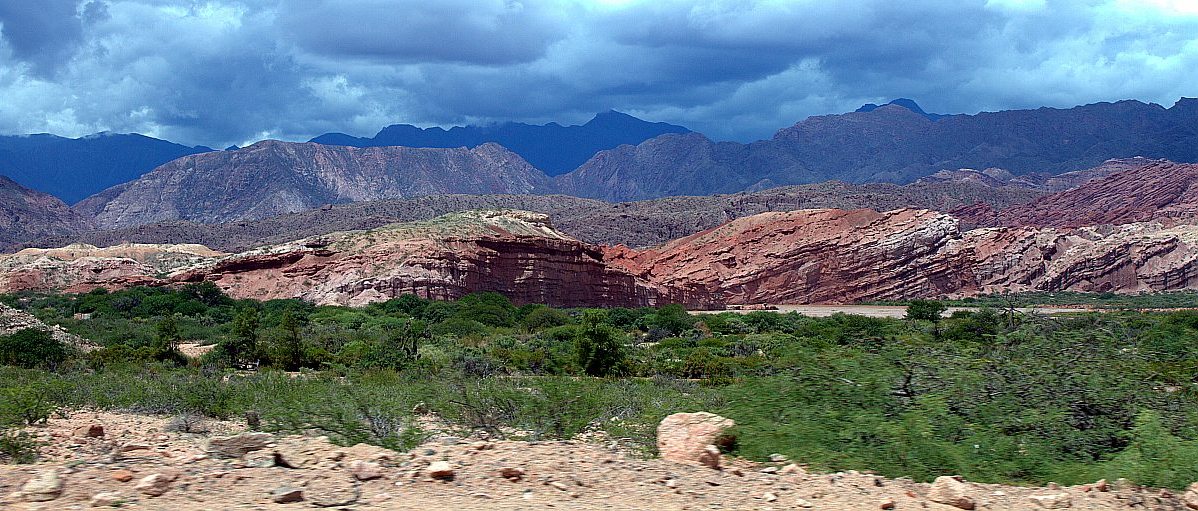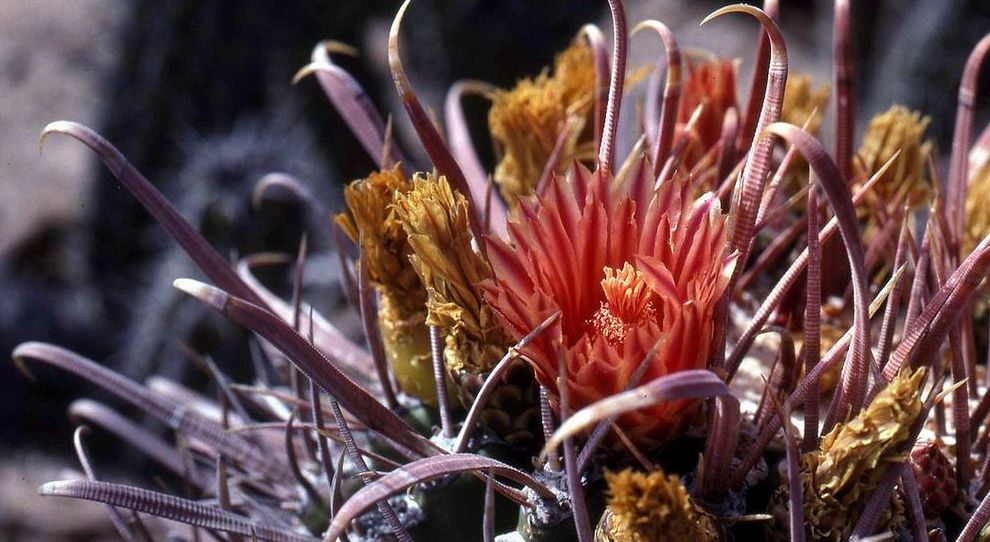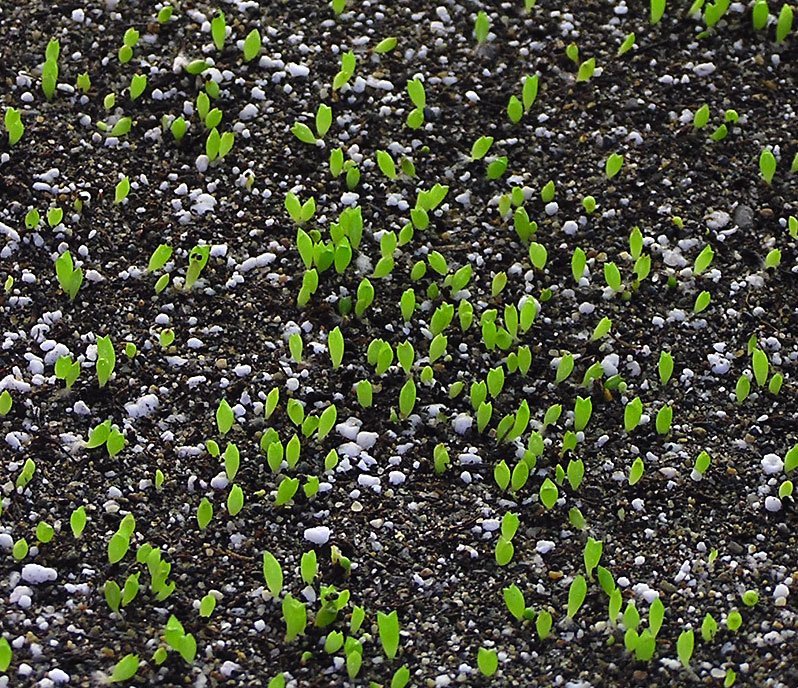
(Photograph = Cactus seedlings, sacredcactus.com )
Introduction
Growing your own cacti and succulents from seed is easier than it looks—and incredibly rewarding. It lets you explore species you’ll never find at a big-box nursery, watch subtle variation emerge in a seedling tray, and build a collection for just a few dollars a packet. With a basic setup and a little patience, you can raise healthy, interesting plants at home.
The Details
A handful of online vendors consistently deliver good experiences. They’re transparent, responsive, and careful with labeling—qualities that matter when you’re chasing specific taxa or locality lines. Most stock broad selections of both cactus and non-cactus succulents, and several also offer small plants. Seed packets commonly contain ~10–20 seeds for about $2 (give or take), and orders are typically acknowledged quickly. Freshness and viability vary. You just have to read reviews on the web and plunge in.
Beyond selection and price, the best vendors earn trust through details: clear species names (with authorities when possible), notes on provenance, sensible shipping options, and thoughtful packaging that protects tiny seeds. Many refresh inventory seasonally, so it’s worth checking back for new releases or restocks. Some specialize in certain groups or regions; others maintain wide, curated catalogs spanning desert cacti, mesembs, agaves, aloes, euphorbias, and more. The vendors I list fit this profile.
Clubs as a source of seeds.
Many cactus and succulent clubs/societies have seed exchanges. Check them out.
Commercial Vendors That I’ve Tried and Might Try Again
Cactus Store, Excellent in my experience
SuccSeed, Excellent in my experience
Plant World Seeds (untried)
Silverhill Seeds, Excellent in my experience (HUGE selection of South African Plants)
ThreeDeserts (and Etsy Store I haven’t tried)
Also try: The Cactus and Succulent Mall Seed Vendors (A HUGE list of vendors; I’ve never tried most, but I have heard many are good.)
NOTES:
Seed vendors come and go. Be sure to research the web to understand their reputations.
If you are in the USA and the seed supplier is in another country, you will likely need a USDA import permit. It is free, but only worth the trouble if you can’t find what you really need in the USA. I don’t know about importing seeds into other countries. For instance, Silverhill has an extensive selection of Aloe species that can be found nowhere else–go for it.